
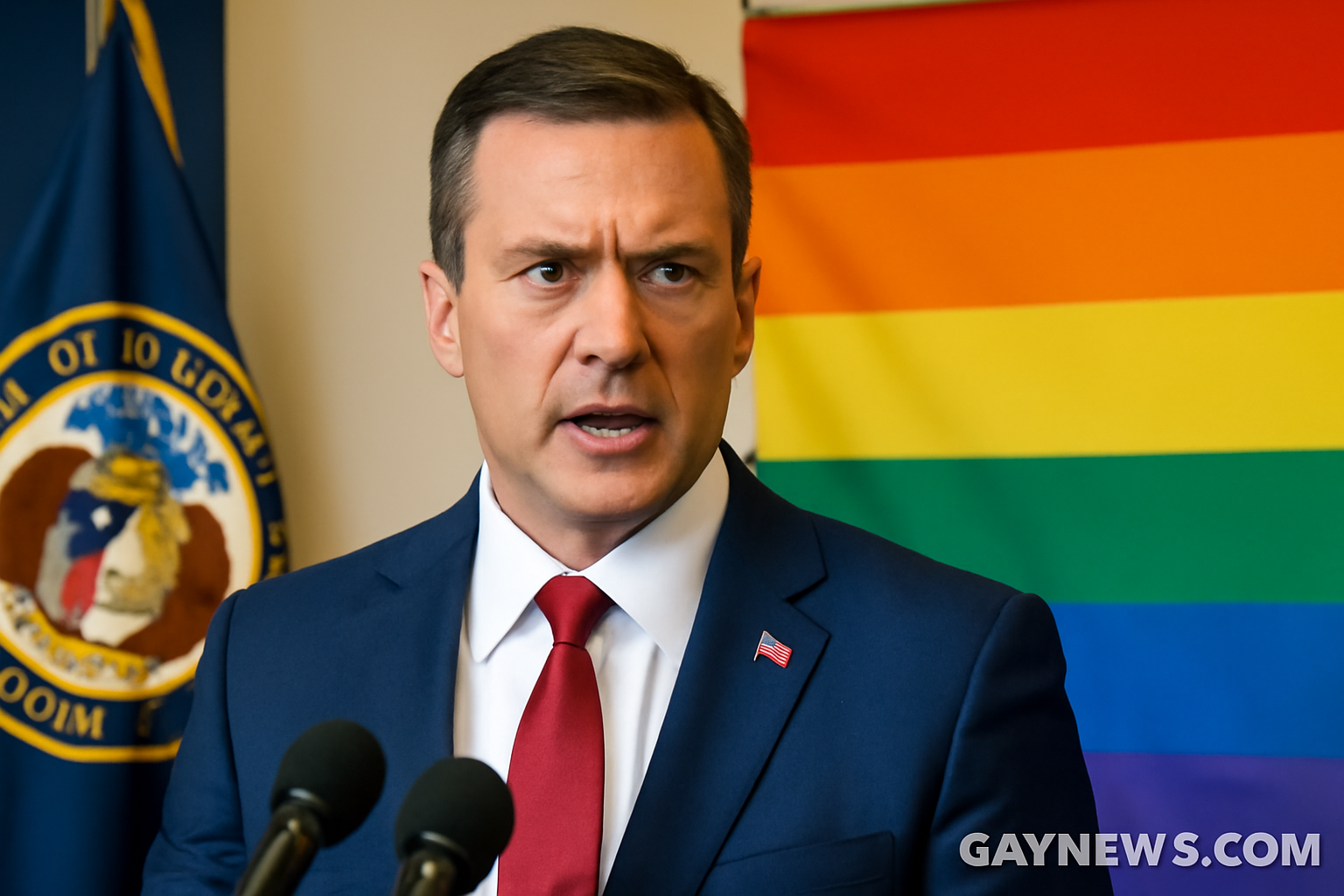
Missouri Attorney General Files Lawsuit Over Conversion Therapy Bans
In a controversial legal move, Missouri Attorney General Andrew Bailey has initiated a lawsuit seeking to overturn conversion therapy bans in Kansas City and Jackson County. These bans, implemented in 2019 and 2023, prohibit mental health practitioners from attempting to alter the sexual orientation or gender identity of minors. Bailey's legal action argues that these prohibitions infringe upon the First Amendment rights of Christian counselors.
The ordinances in question impose penalties on those who conduct conversion therapy, including fines ranging from $500 to $1,000 and potential jail time of up to 180 days. Despite this, Bailey's lawsuit comes on the heels of a directive from former President Donald Trump, aimed at addressing what he termed "anti-Christian bias," potentially offering legal support to counselors advocating for conversion therapy.
Local Governments Defend Their Stance
The city of Kansas City and Jackson County have vowed to robustly defend their conversion therapy bans. These measures, according to local officials, are crucial for safeguarding the health and dignity of their residents, ensuring that all individuals are free from coercive practices masquerading as therapy.
A spokesperson for Kansas City Mayor Quinton Lucas emphasized the need for the Attorney General to focus on pressing issues such as the city's rising homicide rates, rather than engaging in what they view as cultural conflicts. Similarly, Jackson County Executive Frank White, Jr. reiterated the county's commitment to protecting residents from harmful therapeutic practices.
Contentious Arguments and Reactions
Within the 124-page lawsuit, Bailey contends that the bans force counselors to adhere to government-sanctioned views on sexuality, stifling alternative perspectives. He argues that counselors should be free to assist clients, including minors, who seek guidance in aligning their sexual and gender identities with their religious beliefs.
However, major medical and psychological organizations in the United States unanimously denounce conversion therapy as ineffective and harmful. They assert that efforts to change an individual's LGBTQ+ identity are not only unnecessary but also detrimental to mental health.
Broader Implications and Federal Influence
Bailey's legal challenge could gain traction from federal actions under the Trump administration, which sought to eliminate perceived biases against Christianity within government policies. While federal authorities cannot directly modify local ordinances, they may influence legal proceedings through executive power.
Despite bans in 22 states, conversion therapy practitioners remain active across the United States. According to a report from The Trevor Project, over 1,320 such "therapists" continue to operate, often under different terminologies such as "sexual attraction fluidity exploration" or "sexual wholeness." These practices are widely contested by LGBTQ+ advocacy groups.
Conversion Therapy and Its Consequences
Statistics from a 2022 study by The Trevor Project highlight the severe impact of conversion therapy on LGBTQ+ youth. The study found that 13% of LGBTQ+ minors reported undergoing conversion therapy, with a significant portion experiencing it before the age of 18. Alarmingly, those subjected to these practices were more than twice as likely to attempt suicide.
The methods employed by conversion therapists range from discouraging masturbation to directing sexual energy toward exercise or inflicting shame and humiliation in response to LGBTQ+ feelings. These controversial practices often violate state licensing standards and are criticized for promoting false advertising.
Legal Challenges and Future Outlook
The Alliance Defending Freedom, a legal advocacy group opposed to LGBTQ+ rights, has been campaigning to overturn state bans on conversion therapy. However, their efforts have faced setbacks, including a recent decision by the U.S. Supreme Court to not hear an appeal challenging these bans on the grounds of free speech and religious freedom.
As the legal battle unfolds, communities and advocates remain vigilant, emphasizing the need to protect vulnerable populations from practices deemed unethical and damaging. The outcome of this case could have significant implications for the ongoing debate over LGBTQ+ rights and religious freedom in America.
Related Posts
Supreme Court to Address State Bans on Trans Women in Female Sports
The upcoming U.S. Supreme Court term promises to be a pivotal moment for transgender rights, as the nation's highest court has agreed to evaluate whether states have the authority to prohibit transgender women from participating in female sports competitions. This case, scheduled to be argued in the next term beginning October, is expected to have a significant impact on the future of sports inclu [...]
Megan Rapinoe and Sue Bird Announce Amicable Separation After Ten Years Together
In a heartfelt announcement that resonated deeply within the sports and LGBTQ+ communities, soccer star Megan Rapinoe and basketball legend Sue Bird have revealed their decision to part ways after nearly a decade together. The couple, who have been icons both on and off the field, shared the news with their fans through a joint statement on social media, expressing that the choice was made with mu [...]
Groundbreaking Ruling Ends Sodomy Ban for Police and Military in the Dominican Republic
The Constitutional Court of the Dominican Republic recently delivered a landmark decision on November 18th, ruling that the nation’s police and armed forces are not permitted to criminalize consensual same-sex relations among their personnel. This pivotal ruling is a significant stride towards equality and the protection of LGBTQ+ rights within these institutions. A Resounding Victory for Equal [...]