
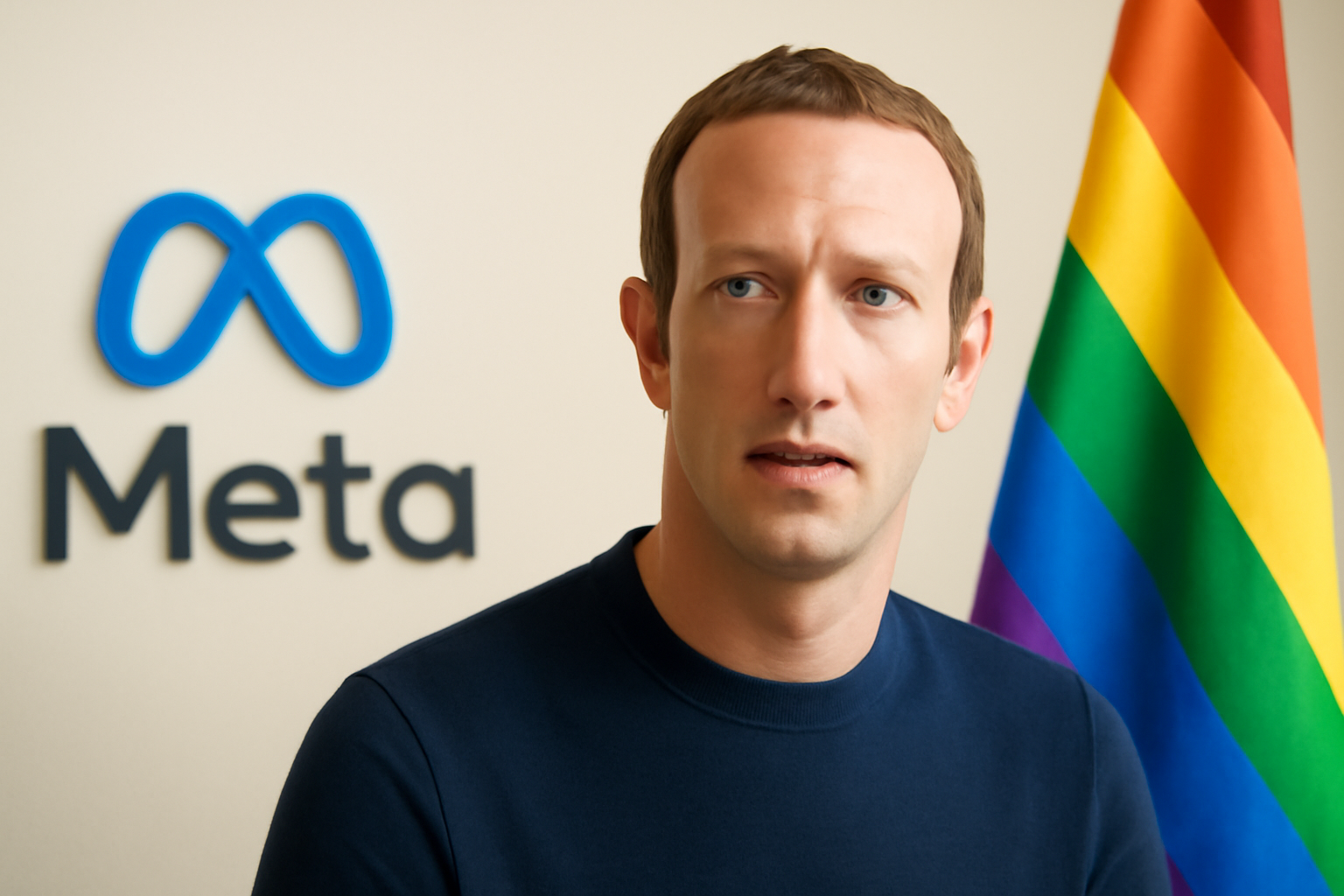
The recent policy changes by Meta, the parent company of Facebook, Instagram, and WhatsApp, have sparked significant concern among LGBTQ+ advocates. These changes are seen as undermining protections for queer youth and appeasing the new conservative political landscape in Washington. This shift represents a troubling regression in support for LGBTQ+ rights.
Meta, led by Mark Zuckerberg, was previously regarded as an ally to the LGBTQ+ community. However, recent actions have called this support into question. A few weeks ago, the creation and subsequent deletion of an Instagram profile featuring "Liv," an AI persona described as a “proud black Queer momma of 2,” ignited discussions online about the company's intentions and direction.
Last week, independent journalist Taylor Lorenz uncovered that Instagram had been blocking searches for LGBTQ-related content by teenagers, sparking outrage and concern among researchers like Celia Fisher. Fisher, a psychology professor at Fordham University specializing in children and adolescent health within marginalized communities, relies on social media to conduct vital research that includes reaching out to the LGBTQ+ youth.
Fisher expressed that the blocking of keywords poses a significant barrier to conducting online studies, which are crucial for understanding and supporting the mental health of LGBTQ+ youth. "Hiding those terms from youth means they can't see that there is a community out there," Fisher stated, highlighting the potential isolation this creates, especially for transgender youth.
The apparent motivation behind these restrictions, as suggested by Fisher, is a desire to avoid controversy with conservative political figures. A spokesperson for Meta described the search restrictions as an error, emphasizing their commitment to making all communities feel safe and welcome. Nevertheless, the company's subsequent actions have contradicted this assurance, as they removed longstanding anti-LGBTQ hate speech policies.
Zuckerberg announced sweeping changes to the platform, which include removing independent fact-checking and implementing a system similar to X's "community notes." These changes have been criticized by journalists and fact-checking organizations as pandering to certain political agendas. Additionally, the platform will lift restrictions on discussions related to immigration and gender, aligning with what Zuckerberg describes as "mainstream discourse."
These changes have been met with alarm by organizations such as GLAAD, which reported alterations to Meta's hateful conduct policies. The new guidelines now permit language previously considered dehumanizing and derogatory towards the LGBTQ+ community, including the use of slurs against transgender individuals and other marginalized groups.
Arturo Béjar, a former engineering director at Meta, has publicly criticized these developments, expressing grave concerns about their impact on youth safety. "Meta is abdicating their responsibility to safety," he commented, "and we won't know the impact of these changes because Meta refuses to be transparent about the harms teenagers experience." Fisher supports this view, citing her research which shows that exposure to hate speech online significantly affects the mental health and well-being of LGBTQ+ youth.
Fisher warns that these policy changes might "put us back into the dark ages of psychiatry and psychology," where LGBTQ+ individuals were erroneously viewed through a lens of mental illness. Such misinformation could increase the risks faced by transgender people and other vulnerable individuals within the community.
These developments at Meta come amid a broader concern among LGBTQ+ advocates about the potential for increased civil rights violations and violence against LGBTQ+ individuals. The removal of DEI programs and the deletion of transgender and non-binary Messenger themes further signify a troubling shift away from inclusivity and support for these communities.
The implications of Meta's policy changes are profound, and their impact on the safety and mental health of LGBTQ+ youth cannot be understated. Advocates and researchers alike are calling for greater transparency and responsibility from Meta to ensure that their platforms remain safe and welcoming spaces for all users.
Related Posts
Supreme Court to Address State Bans on Trans Women in Female Sports
The upcoming U.S. Supreme Court term promises to be a pivotal moment for transgender rights, as the nation's highest court has agreed to evaluate whether states have the authority to prohibit transgender women from participating in female sports competitions. This case, scheduled to be argued in the next term beginning October, is expected to have a significant impact on the future of sports inclu [...]
Megan Rapinoe and Sue Bird Announce Amicable Separation After Ten Years Together
In a heartfelt announcement that resonated deeply within the sports and LGBTQ+ communities, soccer star Megan Rapinoe and basketball legend Sue Bird have revealed their decision to part ways after nearly a decade together. The couple, who have been icons both on and off the field, shared the news with their fans through a joint statement on social media, expressing that the choice was made with mu [...]
Groundbreaking Ruling Ends Sodomy Ban for Police and Military in the Dominican Republic
The Constitutional Court of the Dominican Republic recently delivered a landmark decision on November 18th, ruling that the nation’s police and armed forces are not permitted to criminalize consensual same-sex relations among their personnel. This pivotal ruling is a significant stride towards equality and the protection of LGBTQ+ rights within these institutions. A Resounding Victory for Equal [...]