
Meta's Recent Policy Shift Causes Stir
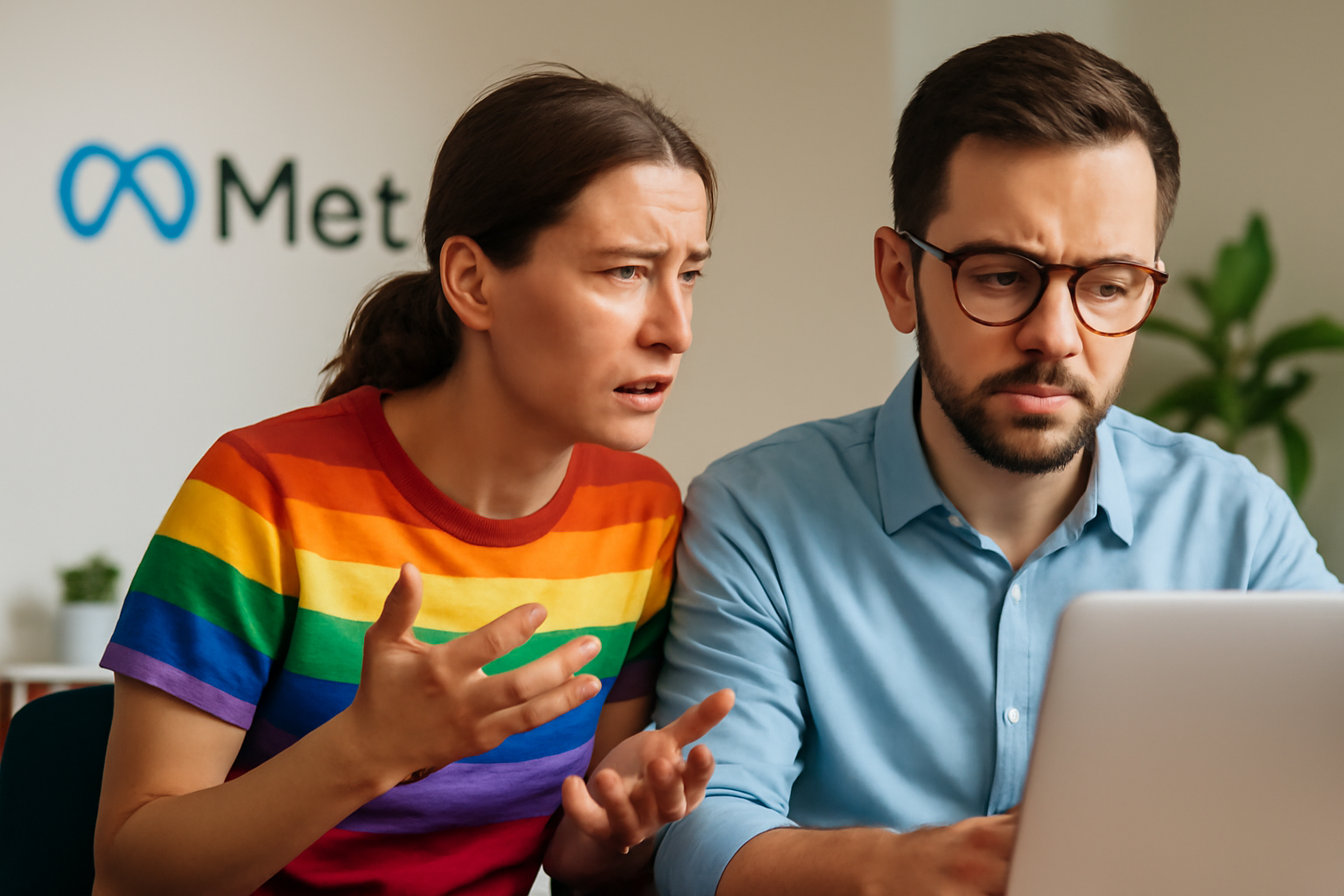
In a recent development that has sent ripples through the tech community, Meta, the parent company of Facebook, Instagram, and Threads, has implemented a significant shift in its hate speech policy. This change has allowed comments suggesting that LGBTQ+ individuals have a "mental illness," a move that has not only garnered widespread backlash but has also affected the mental well-being of the company's queer employees.
On January 7th, Mark Zuckerberg, the chief executive officer of Meta, announced several changes aimed at modifying the company’s content policy. Part of this change involves removing independent fact-checkers and content moderation. As a result, the social media giant now permits users to make derogatory claims regarding mental health, directly targeting the LGBTQ+ community based on their sexual orientation or gender identity.
According to Meta’s new guidelines, the company permits "allegations of mental illness or abnormality" when these comments are "rooted in political or religious discourse about transgenderism and homosexuality," or when using "non-serious" language such as calling someone "weird." This policy has sparked outrage among many, including Meta’s own employees, who have been vocal about their disapproval.
LGBTQ+ Employees' Response
Following the policy announcement, there have been reports of LGBTQ+ staff at Meta taking leaves of absence, citing mental health concerns. According to an internal platform known as Workplace, one employee stated, "I am LGBT and mentally ill. Just to let you know that I’ll be taking time out to look after my mental health." The sentiment echoes a broader dissatisfaction among staff who feel vulnerable under the new policy direction.
These employees are not alone in their concerns. Helle Thorning-Schmidt, the co-chair of Meta’s Oversight Board, expressed her apprehension about the decision to eliminate independent fact-checkers and moderation. She highlighted the potential negative impact on minority groups, stating, "We’re very concerned about gender rights, LGBTQ+ rights, trans people’s rights on the platforms because we are seeing many instances where hate speech can lead to real-life harm, so we will be watching that space very carefully."
The Broader Implications
Zuckerberg has justified the changes as a means to "simplify our policies and restore free expression on our platforms." He argued that the objective is to "reduce mistakes" and "get back to our roots." However, critics argue that these measures could lead to a significant uptick in harmful speech that disproportionately affects marginalized communities.
The revised policies have been introduced at a politically sensitive time, with the impending return of Donald Trump to the presidency. Critics suggest that the timing of these changes may embolden divisive rhetoric during a period of heightened political tension.
Advocates for free speech argue that these changes could foster open dialogue and allow diverse opinions to be expressed. However, the removal of fact-checking mechanisms has left many concerned about the potential for misinformation and hate speech to proliferate unchecked.
Community Reactions and Future Outlook
The reaction from the broader LGBTQ+ community has been one of concern and rallying for support. Many community leaders have called for solidarity and support for Meta's LGBTQ+ employees, who find themselves navigating a difficult work environment. There is a call for allies to stand alongside these employees and advocate for policies that promote inclusivity and safety in digital spaces.
As the situation unfolds, many are eager to see how Meta will respond to the backlash and what measures, if any, will be put in place to ensure the platform does not become a breeding ground for harmful rhetoric. The company’s next steps could set a crucial precedent for handling hate speech and misinformation in the digital age.
Ultimately, the clash between free expression and protecting marginalized communities continues to be a contentious issue for social media platforms worldwide. The challenges Meta faces highlight the ongoing debate on how best to balance these competing interests in an increasingly connected world.
Related Posts
Supreme Court to Address State Bans on Trans Women in Female Sports
The upcoming U.S. Supreme Court term promises to be a pivotal moment for transgender rights, as the nation's highest court has agreed to evaluate whether states have the authority to prohibit transgender women from participating in female sports competitions. This case, scheduled to be argued in the next term beginning October, is expected to have a significant impact on the future of sports inclu [...]
Megan Rapinoe and Sue Bird Announce Amicable Separation After Ten Years Together
In a heartfelt announcement that resonated deeply within the sports and LGBTQ+ communities, soccer star Megan Rapinoe and basketball legend Sue Bird have revealed their decision to part ways after nearly a decade together. The couple, who have been icons both on and off the field, shared the news with their fans through a joint statement on social media, expressing that the choice was made with mu [...]
Groundbreaking Ruling Ends Sodomy Ban for Police and Military in the Dominican Republic
The Constitutional Court of the Dominican Republic recently delivered a landmark decision on November 18th, ruling that the nation’s police and armed forces are not permitted to criminalize consensual same-sex relations among their personnel. This pivotal ruling is a significant stride towards equality and the protection of LGBTQ+ rights within these institutions. A Resounding Victory for Equal [...]