
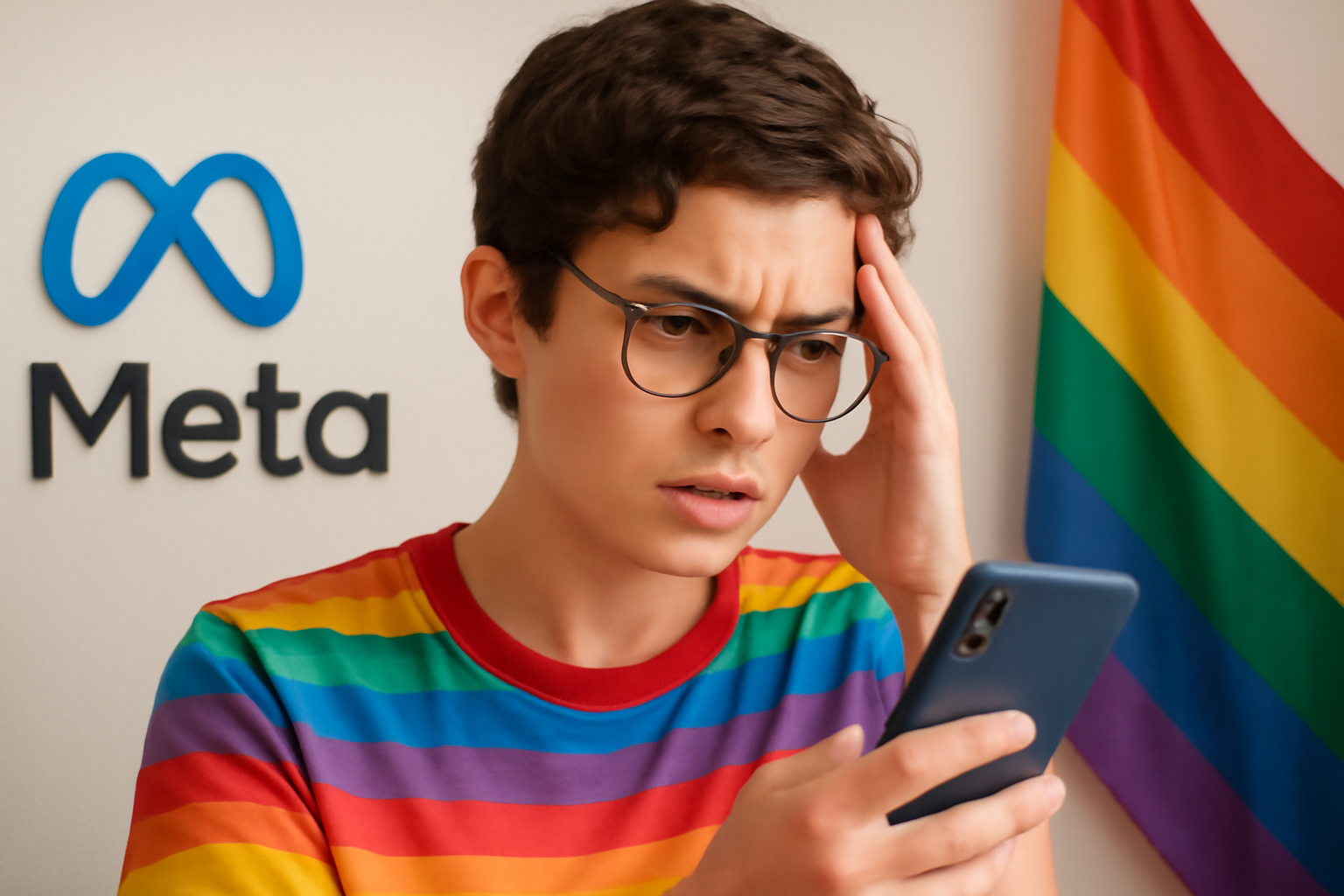
In recent times, social media platforms have faced increasing scrutiny for their content moderation policies and the impact these policies have on marginalized communities. One of the most prominent platforms, Meta, previously known as Facebook, has come under fire for its handling of content related to LGBTQ+ issues.
Members of the LGBTQ+ community have expressed concerns that Meta’s policies allow for harmful language and narratives to proliferate on their platforms. This has created a significant amount of distress and anger among users who feel that their identities are not being adequately protected.
Challenges in Content Moderation
Content moderation is a complex issue for any large-scale social media platform. Meta, which owns Facebook, Instagram, and WhatsApp, has billions of users worldwide and faces the daunting task of creating policies that apply universally while also respecting cultural nuances.
However, many LGBTQ+ activists argue that these policies often fall short, particularly when it comes to protecting marginalized groups from hate speech and misinformation. Reports have surfaced of instances where content that calls into question the validity of LGBTQ+ identities has been allowed to remain on the platform, while posts supporting LGBTQ+ rights have been flagged or removed.
The Impact of Algorithmic Bias
One key issue is the use of algorithms to monitor and moderate content. While algorithms can process vast amounts of data quickly, they are not always adept at understanding context. This can lead to situations where content that is supportive of LGBTQ+ individuals is mistakenly flagged as inappropriate, while harmful content slips through the cracks.
This kind of bias, whether intentional or not, exacerbates the challenges faced by LGBTQ+ users on social media. They find themselves in a digital environment where their identities and experiences are not fully understood or respected by the systems that govern what can and cannot be posted.
User Responses and Activism
The response from the LGBTQ+ community has been one of frustration and determination. Many users have taken to social media to voice their concerns and rally for change. Hashtags and online campaigns have been organized to draw attention to the issue and demand more equitable treatment from Meta.
Some advocacy groups have also engaged in dialogue with Meta to push for clearer guidelines and better enforcement of existing policies. The goal is to create a safer and more inclusive online space where LGBTQ+ individuals can express themselves freely without fear of harassment or marginalization.
Steps Towards Improvement
In response to these concerns, Meta has stated that they are continuously working to improve their content moderation systems. The company has committed to enhancing their algorithms and providing additional training for human moderators to better understand the nuances of LGBTQ+ issues.
Meta has also pledged to collaborate more closely with LGBTQ+ organizations to ensure that their policies reflect the needs and realities of the community. They have started initiatives to increase transparency in their moderation processes and to provide users with more tools to report harmful content.
The Road Ahead
While these steps are promising, there is still much work to be done. The journey towards a truly inclusive online environment is ongoing, and it requires sustained effort and engagement from both the platform providers and the users they serve.
For the LGBTQ+ community, the fight for recognition and respect in digital spaces is an extension of their broader struggle for equality. As social media continues to play a pivotal role in shaping public discourse, the importance of fair and effective content moderation cannot be overstated.
Ultimately, the hope is that platforms like Meta will rise to the challenge and become allies in promoting diversity and acceptance, creating online spaces where everyone can feel safe, respected, and heard.
By addressing these challenges head-on, we can move closer to a future where social media truly reflects the rich diversity and vibrancy of the human experience.
Related Posts
Supreme Court to Address State Bans on Trans Women in Female Sports
The upcoming U.S. Supreme Court term promises to be a pivotal moment for transgender rights, as the nation's highest court has agreed to evaluate whether states have the authority to prohibit transgender women from participating in female sports competitions. This case, scheduled to be argued in the next term beginning October, is expected to have a significant impact on the future of sports inclu [...]
Megan Rapinoe and Sue Bird Announce Amicable Separation After Ten Years Together
In a heartfelt announcement that resonated deeply within the sports and LGBTQ+ communities, soccer star Megan Rapinoe and basketball legend Sue Bird have revealed their decision to part ways after nearly a decade together. The couple, who have been icons both on and off the field, shared the news with their fans through a joint statement on social media, expressing that the choice was made with mu [...]
Groundbreaking Ruling Ends Sodomy Ban for Police and Military in the Dominican Republic
The Constitutional Court of the Dominican Republic recently delivered a landmark decision on November 18th, ruling that the nation’s police and armed forces are not permitted to criminalize consensual same-sex relations among their personnel. This pivotal ruling is a significant stride towards equality and the protection of LGBTQ+ rights within these institutions. A Resounding Victory for Equal [...]