
Introduction
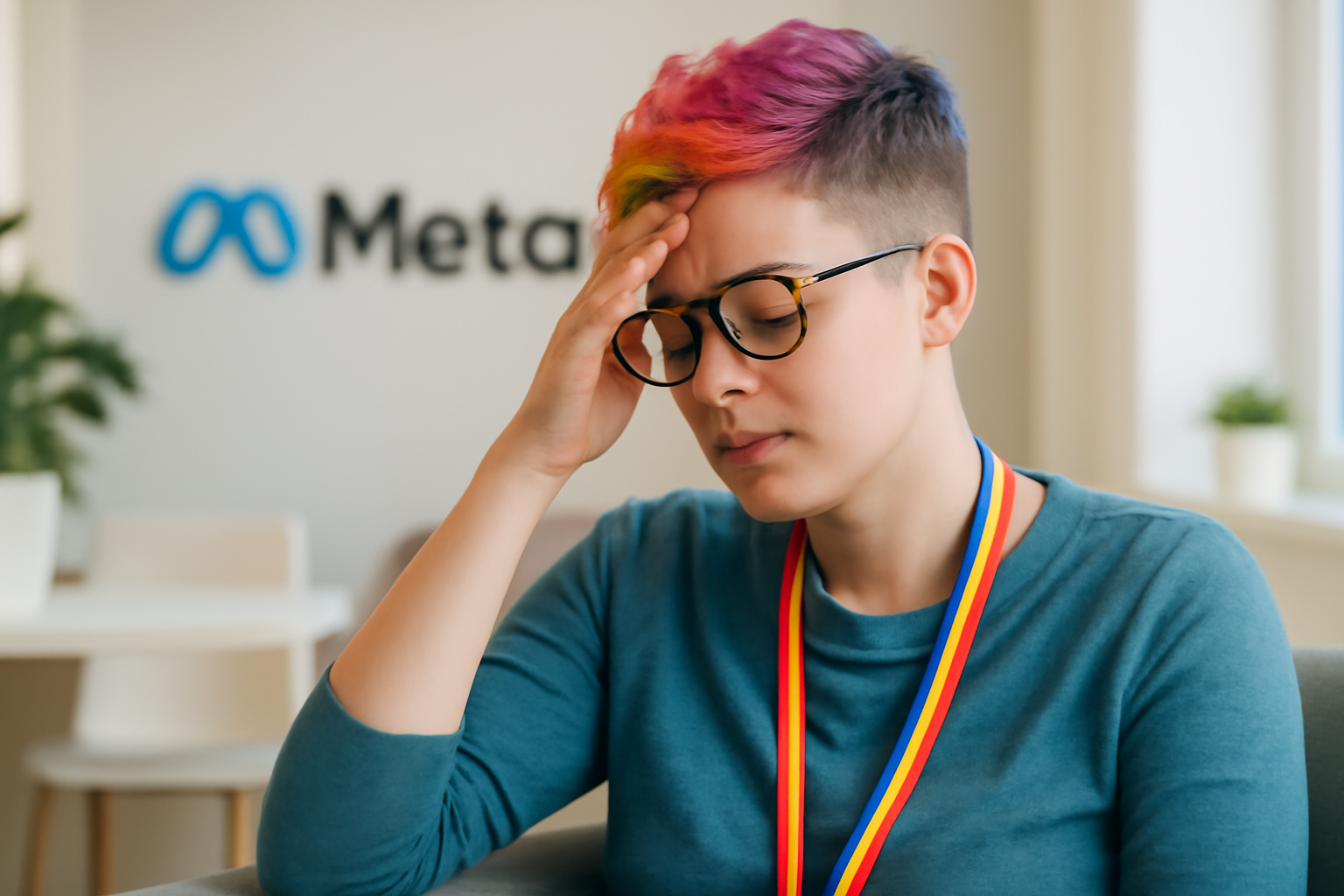
In a recent development that has stirred controversy within the tech world, LGBTQ+ employees at Meta have begun taking time off work, citing mental health concerns. This response follows a significant change in the company’s hate speech policy. The policy now permits users to make derogatory comments about LGBTQ+ individuals, including calling them "mentally ill" due to their sexual orientation or gender identity.
Policy Changes at Meta
Earlier this month, Mark Zuckerberg, the CEO of Meta—parent company to Facebook, Instagram, and Threads—announced a series of changes to the platform’s content policy. A pivotal part of this revision includes the removal of independent fact-checkers and moderation processes. As a result, there is now a greater latitude for users to make claims about LGBTQ+ people, which many consider harmful.
The updated hate speech guidelines from Meta state, "We do allow allegations of mental illness or abnormality when based on gender or sexual orientation, given the political and religious discourse surrounding transgenderism and homosexuality." This decision has met with considerable backlash, especially from Meta’s own employees who identify as LGBTQ+.
Employee Reactions
Reports have surfaced suggesting that numerous LGBTQ+ employees within Meta are actively taking leave to focus on their mental health as a form of protest against these policy changes. One employee expressed their feelings on Meta’s internal communication platform, Workplace, stating, "I am LGBT and mentally ill. Just to let you know that I’ll be taking time out to look after my mental health." This message has been indicative of the sentiments shared by many within the company.
Concerns from the Oversight Board
Helle Thorning-Schmidt, co-chair of Meta’s Oversight Board, has voiced serious concerns regarding these new policies. She has emphasized the potential for increased harm to minority groups, particularly in the context of hate speech leading to real-world consequences. In an interview with the BBC, she remarked, "We’re very concerned about gender rights, LGBTQ+ rights, trans people’s rights on the platforms because we are seeing many instances where hate speech can lead to real-life harm."
Implications and Criticism
The timing of these policy changes has also raised eyebrows, coming shortly before President-elect Donald Trump’s return to office. Critics argue that this shift might embolden hate speech under the guise of free expression. Zuckerberg has defended the changes by stating that the aim is to "get back to our roots and focus on reducing mistakes, simplifying our policies and restoring free expression on our platforms." However, many argue that such an approach could disproportionately affect marginalized communities.
The reaction from the LGBTQ+ community within Meta highlights the complex interplay between corporate policy and social justice. As companies like Meta wield significant influence over digital discourse, the responsibility to protect vulnerable groups becomes ever more pressing.
The Broader Context
This incident at Meta reflects broader societal debates about free speech, censorship, and the responsibilities of tech companies in moderating content. In recent years, there has been an ongoing discourse about the role of social media platforms in either curbing or facilitating hate speech, and this latest policy shift has added fuel to the fire.
For LGBTQ+ individuals working within these platforms, the personal stakes are high. The ability to work in an environment that respects one’s identity and safeguards against harassment is critical for mental well-being. With these new policies, many fear a regression to more hostile online environments that can exacerbate mental health challenges faced by LGBTQ+ communities.
Conclusion
As Meta navigates the fallout from these controversial policy changes, the actions and voices of its LGBTQ+ employees serve as a powerful reminder of the human impact behind corporate decisions. The company’s future steps will be closely watched by both its workforce and the wider public, as the debate around free expression and hate speech continues to evolve.
In the meantime, affected employees are urged to seek support and take necessary steps to prioritize their mental health, as the global conversation around digital rights and freedoms unfolds.
Related Posts
Supreme Court to Address State Bans on Trans Women in Female Sports
The upcoming U.S. Supreme Court term promises to be a pivotal moment for transgender rights, as the nation's highest court has agreed to evaluate whether states have the authority to prohibit transgender women from participating in female sports competitions. This case, scheduled to be argued in the next term beginning October, is expected to have a significant impact on the future of sports inclu [...]
Megan Rapinoe and Sue Bird Announce Amicable Separation After Ten Years Together
In a heartfelt announcement that resonated deeply within the sports and LGBTQ+ communities, soccer star Megan Rapinoe and basketball legend Sue Bird have revealed their decision to part ways after nearly a decade together. The couple, who have been icons both on and off the field, shared the news with their fans through a joint statement on social media, expressing that the choice was made with mu [...]
Groundbreaking Ruling Ends Sodomy Ban for Police and Military in the Dominican Republic
The Constitutional Court of the Dominican Republic recently delivered a landmark decision on November 18th, ruling that the nation’s police and armed forces are not permitted to criminalize consensual same-sex relations among their personnel. This pivotal ruling is a significant stride towards equality and the protection of LGBTQ+ rights within these institutions. A Resounding Victory for Equal [...]