
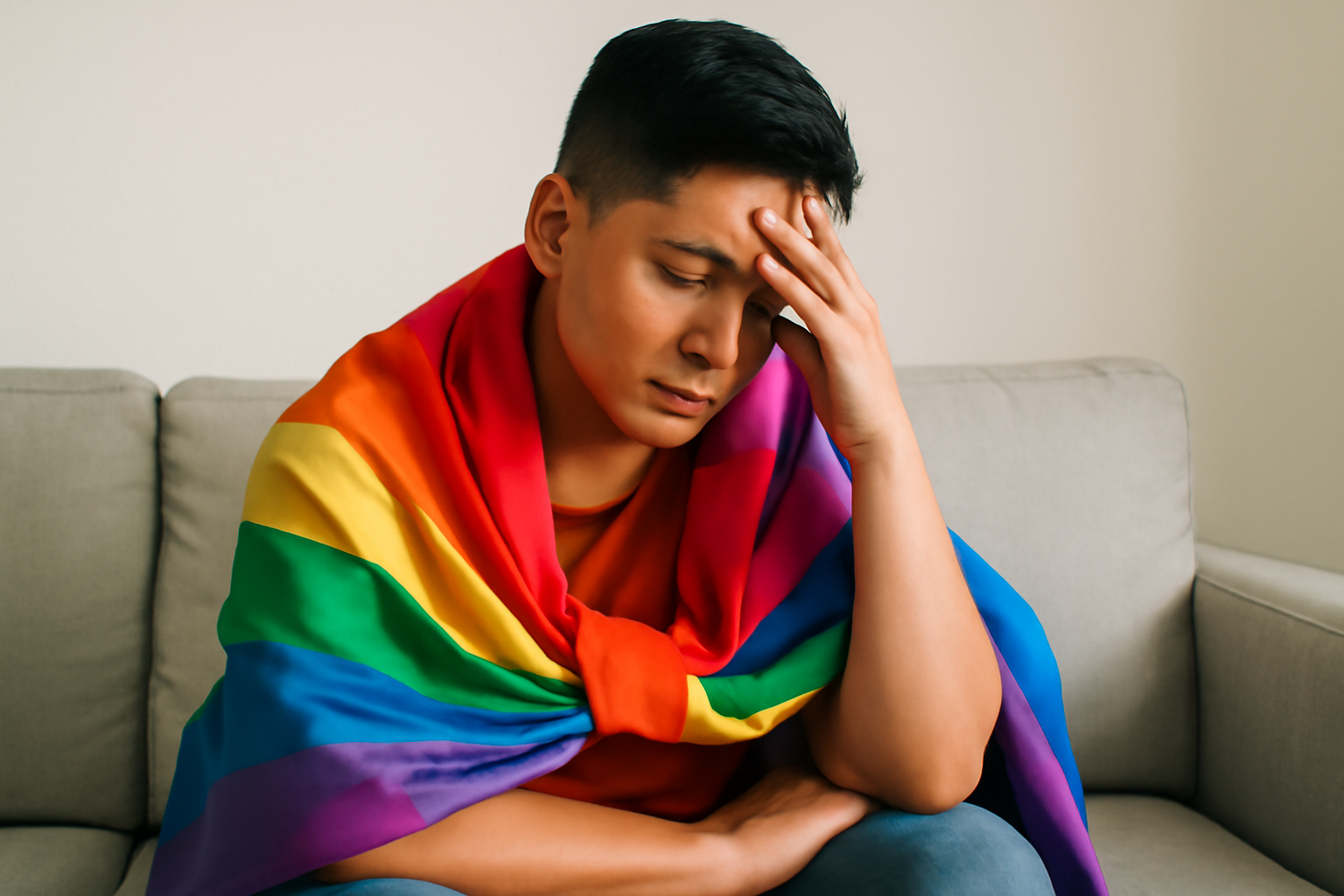
In recent years, the increasing legislative attacks on LGBTQ+ rights have had a profound impact on the mental health and well-being of LGBTQ+ individuals across the United States. A new report by the Human Rights Campaign (HRC) Foundation highlights the potential economic consequences for states that continue to pass and uphold anti-LGBTQ+ laws, emphasizing that when LGBTQ+ communities suffer, the ripple effects are felt nationwide.
Impact on Mental Health and Well-being
The HRC Foundation's 2024 LGBTQ+ Climate Survey reveals that a significant 71.5% of LGBTQ+ adults have reported that the surge in anti-LGBTQ+ legislation has negatively affected their health or well-being over the past year. Moreover, 44.3% of LGBTQ+ adults and an alarming 63.5% of transgender adults noted that such legislation negatively impacted their mental health or that of their loved ones. The survey also found that 66.1% of LGBTQ+ adults, with an even higher 83.4% of transgender adults, feel less safe due to these laws.
This growing sense of insecurity has led to notable shifts in the personal and professional decisions of LGBTQ+ individuals. Approximately 20% of LGBTQ+ adults are contemplating relocating to a different state, while 5% are actively seeking to change jobs to escape the negative environments fostered by these laws. Half of the respondents indicated that anti-LGBTQ+ legislation has influenced their decisions about where to live and work, with 20% having already declined job offers or housing opportunities in states with such laws. Notably, 4% have already moved or are in the process of moving away from states with hostile legislation.
Personal Accounts of Impact
Personal stories from the survey participants shed light on the real-world consequences of these legislative measures. One cisgender lesbian woman expressed the mental toll of living in a state where both the legislature and governor target communities of color and LGBTQ+ communities, stating, "It is mentally exhausting... It takes a toll. We will be moving from this state." A gender-questioning person from New York shared how they declined a dream job in a state that passed such laws, explaining that their work as a physician is restricted by these oppressive measures.
A cisgender queer woman described the radical impact of these laws on her household, which is considering relocating to more supportive states like Michigan or Maine, despite the cost of leaving behind a thriving business, a beautiful home, and a high-income career. These stories underscore how deeply personal and far-reaching the effects of anti-LGBTQ+ legislation can be.
Economic Consequences for States
Shoshana Goldberg, Director of Public Education and Research Programs at the HRC Foundation, warned that states that continue to endorse these discriminatory laws stand to suffer economic losses. "They risk losing tourism and business travel dollars," Goldberg stated, noting that 30% of LGBTQ+ adults have avoided or canceled visits to states with anti-LGBTQ+ legislation in the past year alone. The potential loss of taxable income from LGBTQ+ adults and families who relocate to more accepting environments could further strain state economies. Additionally, companies based in these states risk losing customers who value inclusivity and equality.
The purchasing power of the LGBTQ+ community is substantial, estimated at $1.4 trillion, and companies that fail to support LGBTQ+ rights may lose these consumers, along with allied Millennials and Gen Z individuals who prioritize equality in their spending habits. Companies that backtrack on diversity, equity, and inclusion (DEI) initiatives may not only lose customers but also struggle to attract and retain top talent.
As the battle for LGBTQ+ rights continues, it is crucial for lawmakers to recognize how their decisions impact not just the immediate well-being of their constituents, but also the economic future of their states. The findings from the HRC Foundation serve as a wake-up call: when LGBTQ+ individuals are forced to make difficult decisions about where they can safely live and work, the broader community and economy suffer alongside them.
Related Posts
Supreme Court to Address State Bans on Trans Women in Female Sports
The upcoming U.S. Supreme Court term promises to be a pivotal moment for transgender rights, as the nation's highest court has agreed to evaluate whether states have the authority to prohibit transgender women from participating in female sports competitions. This case, scheduled to be argued in the next term beginning October, is expected to have a significant impact on the future of sports inclu [...]
Megan Rapinoe and Sue Bird Announce Amicable Separation After Ten Years Together
In a heartfelt announcement that resonated deeply within the sports and LGBTQ+ communities, soccer star Megan Rapinoe and basketball legend Sue Bird have revealed their decision to part ways after nearly a decade together. The couple, who have been icons both on and off the field, shared the news with their fans through a joint statement on social media, expressing that the choice was made with mu [...]
Groundbreaking Ruling Ends Sodomy Ban for Police and Military in the Dominican Republic
The Constitutional Court of the Dominican Republic recently delivered a landmark decision on November 18th, ruling that the nation’s police and armed forces are not permitted to criminalize consensual same-sex relations among their personnel. This pivotal ruling is a significant stride towards equality and the protection of LGBTQ+ rights within these institutions. A Resounding Victory for Equal [...]