
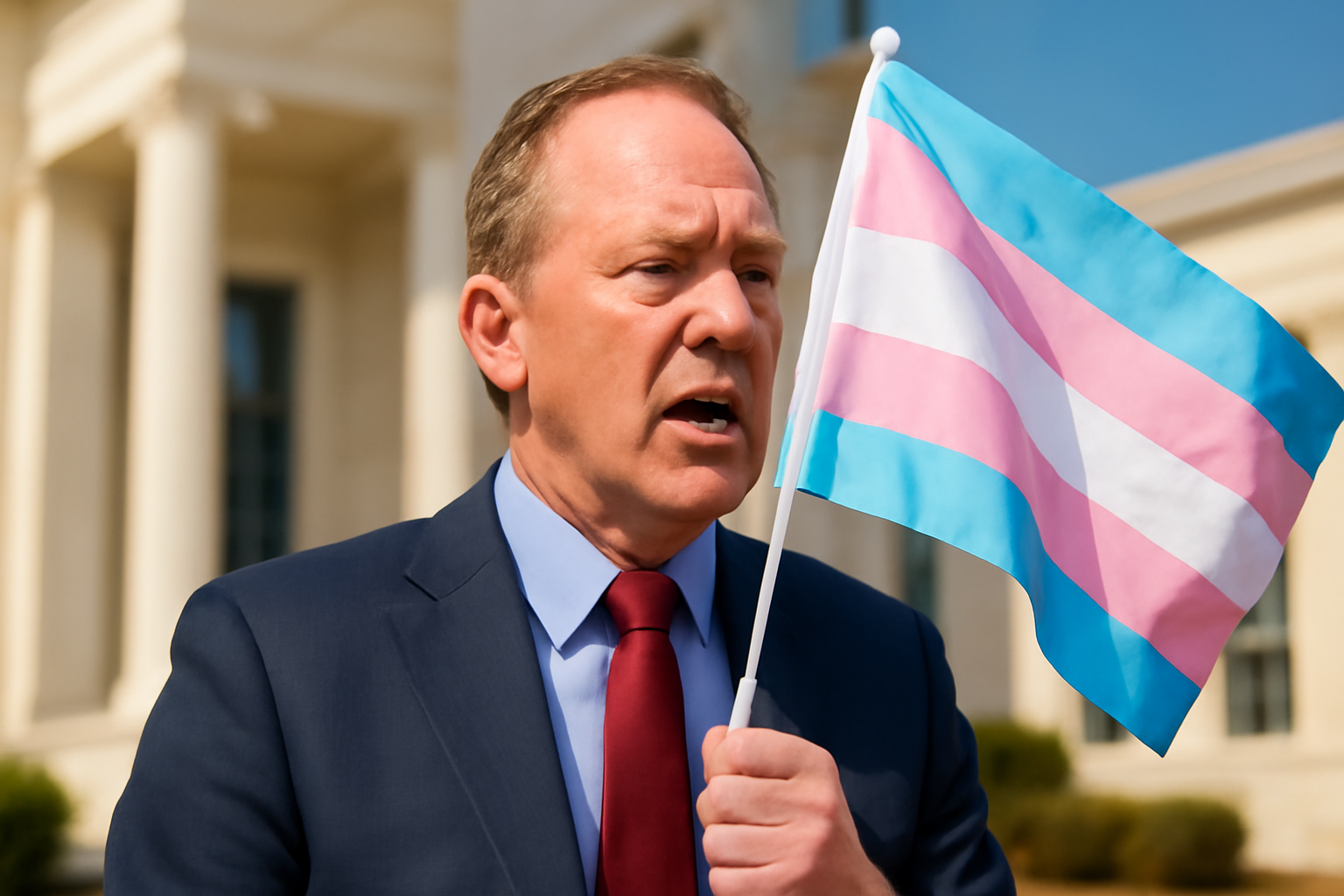
The legal landscape surrounding educational policies in Virginia is once again under scrutiny, as a high-profile legal organization has launched a campaign challenging the policies adopted by several school districts in support of transgender students. This action underscores the ongoing national debate concerning the rights and recognition of transgender individuals within the educational system.
Advocacy and Legal Action
This legal initiative aims to counter policies that have been implemented to create inclusive and supportive environments for transgender students. These policies often include allowing students to use bathrooms and locker rooms that correspond with their gender identity, as well as participation in sports teams that match their gender identity. The legal group argues that such policies are in conflict with their interpretation of privacy rights and parental involvement in education.
Many school districts in Virginia have adopted these measures in response to both state and federal guidelines, which encourage schools to ensure that all students, including those who are transgender, have equal access to a safe and supportive learning environment. These policies are part of a broader effort to reduce discrimination and harassment based on gender identity and to affirm the rights of transgender students.
Responses from the Community
The response from local communities, parents, and advocacy groups has been mixed. Supporters of the pro-transgender policies argue that these measures are necessary to protect the mental health and well-being of transgender students. They cite research indicating that transgender youth are at a higher risk for bullying, mental health issues, and suicide when they do not feel supported and affirmed in their identities.
Opponents, however, raise concerns about privacy and the rights of non-transgender students. They argue that allowing transgender students to use facilities that align with their gender identity could infringe on the privacy of other students. Some parents also contend that they should have a greater say in the development and implementation of these policies within schools.
Implications for Schools and Students
The legal challenges posed by this group could have significant implications for schools across Virginia. If the legal group is successful, schools may be required to revise their policies, potentially leading to a rollback of protections for transgender students. This could also set a precedent that might influence other states facing similar debates over transgender rights in educational settings.
For transgender students, the potential impact of these legal challenges is profound. School is a place where young people spend a significant portion of their lives, and feeling safe and accepted is crucial for their academic success and personal development. Policies that affirm their gender identity can make a substantial difference in their comfort and ability to thrive in the educational environment.
Broader National Context
This situation in Virginia is reflective of a broader national conversation about transgender rights, particularly in schools. Across the United States, there is a patchwork of policies and legal precedents that vary widely from state to state. Some states have comprehensive protections for transgender students, while others have sought to restrict their rights.
The debate over transgender rights in education is part of a larger cultural and political discourse that touches on issues of gender identity, civil rights, and the role of government in regulating educational policies. As this legal challenge progresses, it is likely to attract national attention and could influence policy decisions far beyond Virginia.
Looking Forward
As the legal proceedings unfold, school administrators, parents, and students alike are watching closely. Many hope for a resolution that upholds the rights of transgender students while addressing the concerns of all parties involved. Meanwhile, advocacy groups continue to work towards greater understanding and acceptance of transgender rights within the educational system, emphasizing the importance of inclusive policies for the well-being of all students.
The outcome of this legal challenge will have lasting implications for educational policy and the lived experiences of transgender students in Virginia and potentially across the country. It remains to be seen how these legal battles will shape the future of transgender rights in education, but the conversation is far from over.
Related Posts
Supreme Court to Address State Bans on Trans Women in Female Sports
The upcoming U.S. Supreme Court term promises to be a pivotal moment for transgender rights, as the nation's highest court has agreed to evaluate whether states have the authority to prohibit transgender women from participating in female sports competitions. This case, scheduled to be argued in the next term beginning October, is expected to have a significant impact on the future of sports inclu [...]
Megan Rapinoe and Sue Bird Announce Amicable Separation After Ten Years Together
In a heartfelt announcement that resonated deeply within the sports and LGBTQ+ communities, soccer star Megan Rapinoe and basketball legend Sue Bird have revealed their decision to part ways after nearly a decade together. The couple, who have been icons both on and off the field, shared the news with their fans through a joint statement on social media, expressing that the choice was made with mu [...]
Groundbreaking Ruling Ends Sodomy Ban for Police and Military in the Dominican Republic
The Constitutional Court of the Dominican Republic recently delivered a landmark decision on November 18th, ruling that the nation’s police and armed forces are not permitted to criminalize consensual same-sex relations among their personnel. This pivotal ruling is a significant stride towards equality and the protection of LGBTQ+ rights within these institutions. A Resounding Victory for Equal [...]