
Introduction
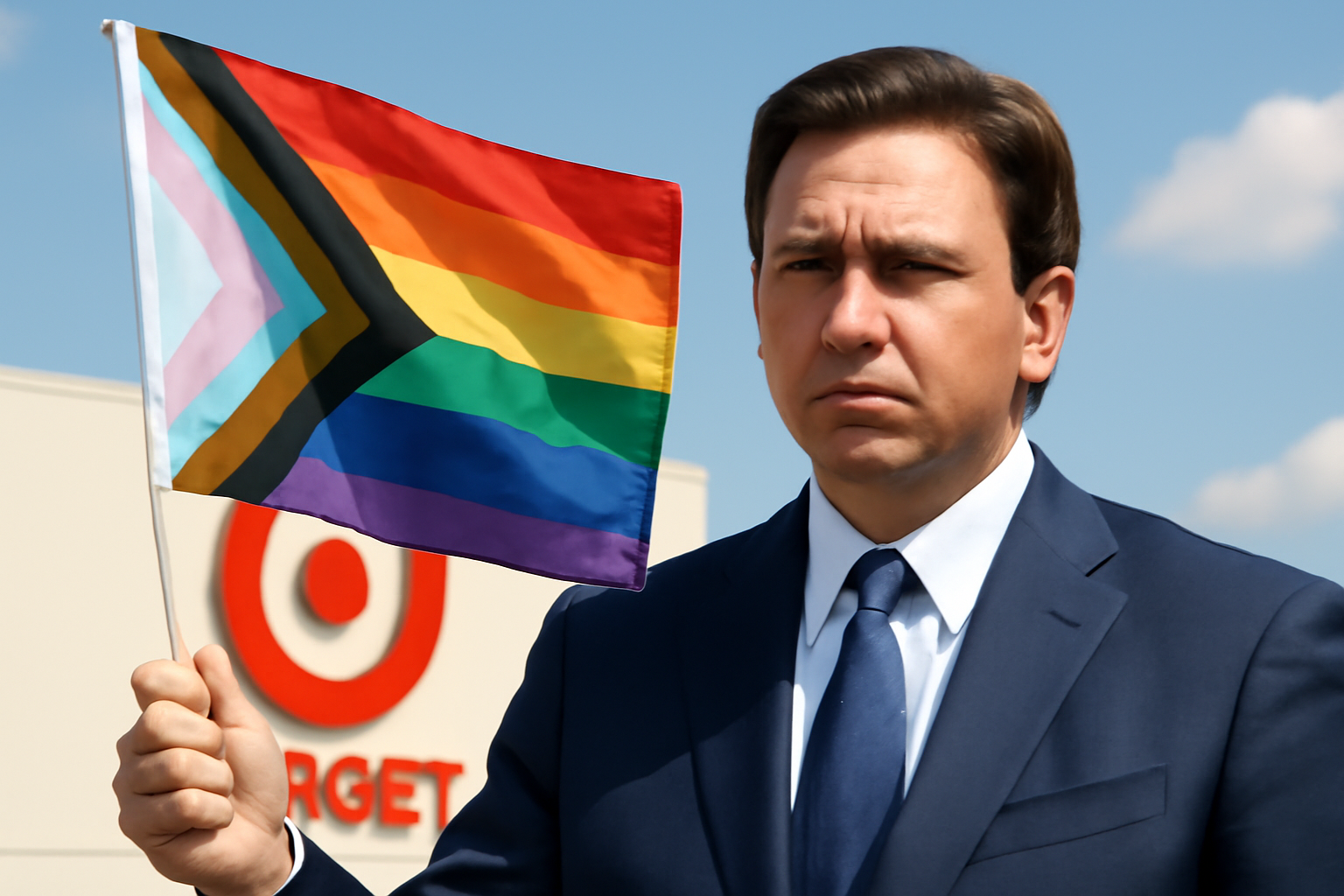
In a bold move that has rekindled the culture wars, Florida Governor Ron DeSantis has made headlines once again. This time, the focus of his administration's attention is Target, the retail giant known for its support of diversity, equity, and inclusion (DEI), as well as the LGBTQ+ community. DeSantis has recently appointed a new attorney general, who has immediately taken legal action against Target, citing investor concerns over the company's past policies. This legal maneuver highlights the ongoing political and social tensions surrounding corporate support for marginalized communities.
The Lawsuit Against Target
James Uthmeier, the newly appointed Attorney General of Florida, wasted no time in pursuing a lawsuit against Target. The suit, filed in Fort Myers, alleges that Target misled its investors by not adequately disclosing the potential risks associated with its DEI and Pride Month initiatives. Uthmeier argues that these policies, which were intended to promote inclusivity and support for the LGBTQ+ community, ultimately resulted in a conservative-led backlash in 2023, negatively impacting the company's financial performance.
The legal action claims that Target's approach to DEI and its 2023 Pride collection significantly harmed shareholder value. "The Campaign provoked immense consumer backlash and boycotts that caused Target's sales to fall for the first time in six years," the complaint states, "wiping out over $25 billion in market capitalization and leading to Target's longest stock losing streak in 23 years." This lawsuit is part of a broader trend of shareholder activism challenging companies on their social and political stances.
Target's Response and Historical Context
Target has a long-standing history of supporting DEI goals and initiatives. Following the murder of George Floyd in 2020, which occurred in the company's hometown of Minneapolis, Target strengthened its DEI programs as a commitment to social justice. However, in light of recent political pressures and backlash, the company has rolled back some of these initiatives. This includes ceasing to provide data to groups like the Human Rights Campaign’s Corporate Equality Index and ending certain programs aimed at promoting minority-owned businesses.
Target's decision to scale back or remove LGBTQ+ Pride merchandise from its stores in 2023 was seen as a response to the growing right-wing boycott of the company. While Target executives acknowledged during an August 2023 earnings call that traffic and top-line trends were affected by the Pride collection backlash, they admitted that it was difficult to quantify the specific impact of these actions on their financials.
Reactions and Broader Implications
The legal actions and corporate decisions surrounding Target have sparked reactions across the spectrum. Twin Cities Pride, one of Target's longtime partners, decided to "part ways" with the retailer following the DEI rollback, citing the company's departure from its commitment to inclusivity as the main reason for this decision. "This was kind of the straw that broke the camel’s back," said the executive director of Twin Cities Pride, highlighting the disappointment felt within the LGBTQ+ community.
Meanwhile, Attorney General Uthmeier has pledged to use Florida's legal resources to "champion an America-first agenda" and challenge what he refers to as "the left." His stance, as well as Governor DeSantis's, underscores a broader political narrative that seeks to curb corporate engagement in social issues perceived as "radical leftist ideology." According to Uthmeier, such engagement jeopardizes the financial security of Florida’s retirement funds, which are invested in companies like Target.
Conclusion
The lawsuit against Target represents a significant moment in the ongoing culture wars, where corporate policies and political ideologies collide. The outcome of this legal battle could have far-reaching implications for how companies navigate the complex landscape of social responsibility and shareholder interests. As the case unfolds, it will undoubtedly continue to be a focal point in the discussion about the role of corporations in advocating for or retreating from social and political causes.
Stay informed about the latest developments affecting the LGBTQ+ community by subscribing to our newsletter. Receive insights into how politics impacts LGBTQ+ lives and more.
Related Posts
Supreme Court to Address State Bans on Trans Women in Female Sports
The upcoming U.S. Supreme Court term promises to be a pivotal moment for transgender rights, as the nation's highest court has agreed to evaluate whether states have the authority to prohibit transgender women from participating in female sports competitions. This case, scheduled to be argued in the next term beginning October, is expected to have a significant impact on the future of sports inclu [...]
Megan Rapinoe and Sue Bird Announce Amicable Separation After Ten Years Together
In a heartfelt announcement that resonated deeply within the sports and LGBTQ+ communities, soccer star Megan Rapinoe and basketball legend Sue Bird have revealed their decision to part ways after nearly a decade together. The couple, who have been icons both on and off the field, shared the news with their fans through a joint statement on social media, expressing that the choice was made with mu [...]
Groundbreaking Ruling Ends Sodomy Ban for Police and Military in the Dominican Republic
The Constitutional Court of the Dominican Republic recently delivered a landmark decision on November 18th, ruling that the nation’s police and armed forces are not permitted to criminalize consensual same-sex relations among their personnel. This pivotal ruling is a significant stride towards equality and the protection of LGBTQ+ rights within these institutions. A Resounding Victory for Equal [...]