
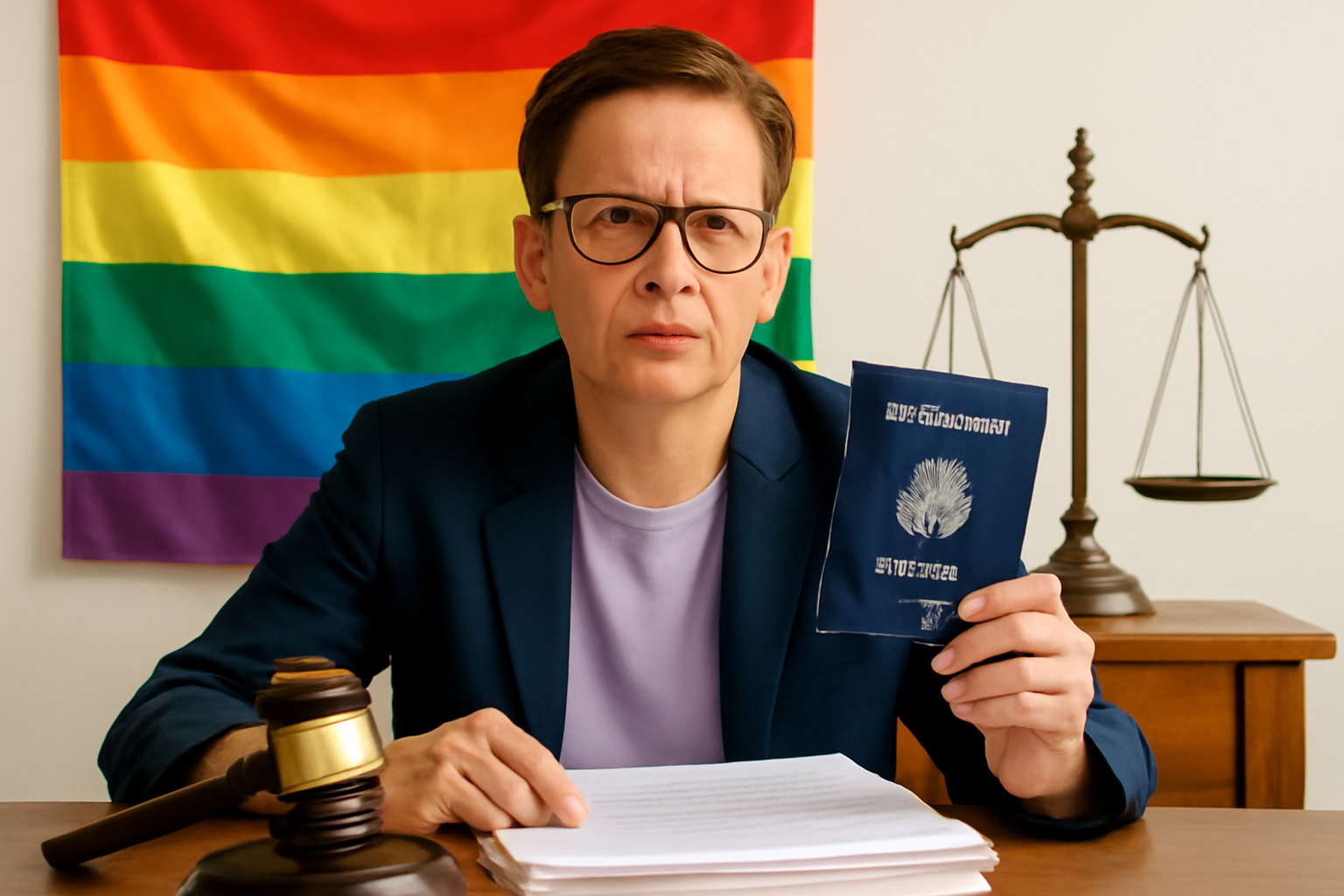
The issue surrounding gender identity and its legal recognition has taken center stage in a lawsuit challenging current U.S. passport policies. These policies, which date back a few years, only allow 'male' or 'female' as gender options, a decision made during Trump-era rule. This has sparked a lot more than just quiet disapproval—it's stirred real controversy, especially among non-binary, transgender, and gender non-conforming individuals who find themselves sidelined by this limitation.
Several advocacy groups, alongside those directly affected, have filed a lawsuit, arguing that these limits infringe on citizens' constitutional rights by not allowing them full expression and recognition as their true selves. This legal push emphasizes a pressing need: federal documents should acknowledge a broader spectrum beyond just male and female.
Decoding policy history
Back in 2017, a decisive shift happened. The U.S. Department Department rolled out a rule that passports must either bear an 'M' or 'F', erasing any chance at a third option. This was part and parcel with broader policies at that time, ones that chipped away at protections not just in travel documents, but in military and healthcare settings too.
Advocates have long been pushing back, urging that passport gender markers should reflect one‘s self-identified gender, including options beyond male and female. Why does Canada, Australia, and some EU countries recognize a third gender ('X') while we don't?
The lawsuit and what it means
In this legal challenge, folks argue that this restrictive policy flies in direct opposition against equal protection guaranteed by our Fifth Amendment. Imagine having a travel document that doesn't match your identity; it isn't just wrong, it can be dangerous.
The legal team behind this case believes it could set a transformative precedent, not just legally, but socially. If more inclusive federal documentation policies are adopted, it would mean recognition and safer, worry-free travel experiences. It's not just about convenience—it's about easing a burden that leads many non-binary folks towards unnecessary stress, discrimination, and worse.
Rallying community support
LGBTQ+ organizations and community members haven't held back their support. They see this lawsuit as something big—a significant stride toward inclusion and equality. Many have bravely shared stories about traveling with mismatched documents, facing everything from uncomfortable stares and questions, or even harassment, just because their passport didn't align with who they are.
One activist put it simply: "Traveling's anxiety-inducing enough without having a document that doesn't reflect your true identity." For them, this lawsuit transcends policy changes. It strikes at something deeper—dignity and respect regardless one‘s gender identity.
What lies ahead
The case already has eyes on it, both on home turf and internationally. Legal analysts predict that its outcome could ripple beyond passports, perhaps nudgling changes in driver's licenses and birth certificates too.
The Biden administration has shown signs that it wants a different legacy than its predecessor's, especially when it comes LGBTQ+ rights. With this lawsuit, advocates are hopeful that broader policy changes are on their horizon, ones that are inclusive and affirm queer identities.
Community groups aren't slowing down; they're providing support, fighting tirelessly at all government levels. This legal battle underscores a larger fight—a relentless struggle toward equal rights. It shines a spotlight on why amplifying marginalized voices matters so much.
There's a hopeful air, a sense that stark, lasting change could be around that proverbial corner. The road might be long, but there's a collective belief that reaching a more inclusive future isn't just possible—it might be inevitable.
Related Posts
Supreme Court to Address State Bans on Trans Women in Female Sports
The upcoming U.S. Supreme Court term promises to be a pivotal moment for transgender rights, as the nation's highest court has agreed to evaluate whether states have the authority to prohibit transgender women from participating in female sports competitions. This case, scheduled to be argued in the next term beginning October, is expected to have a significant impact on the future of sports inclu [...]
Megan Rapinoe and Sue Bird Announce Amicable Separation After Ten Years Together
In a heartfelt announcement that resonated deeply within the sports and LGBTQ+ communities, soccer star Megan Rapinoe and basketball legend Sue Bird have revealed their decision to part ways after nearly a decade together. The couple, who have been icons both on and off the field, shared the news with their fans through a joint statement on social media, expressing that the choice was made with mu [...]
Groundbreaking Ruling Ends Sodomy Ban for Police and Military in the Dominican Republic
The Constitutional Court of the Dominican Republic recently delivered a landmark decision on November 18th, ruling that the nation’s police and armed forces are not permitted to criminalize consensual same-sex relations among their personnel. This pivotal ruling is a significant stride towards equality and the protection of LGBTQ+ rights within these institutions. A Resounding Victory for Equal [...]