
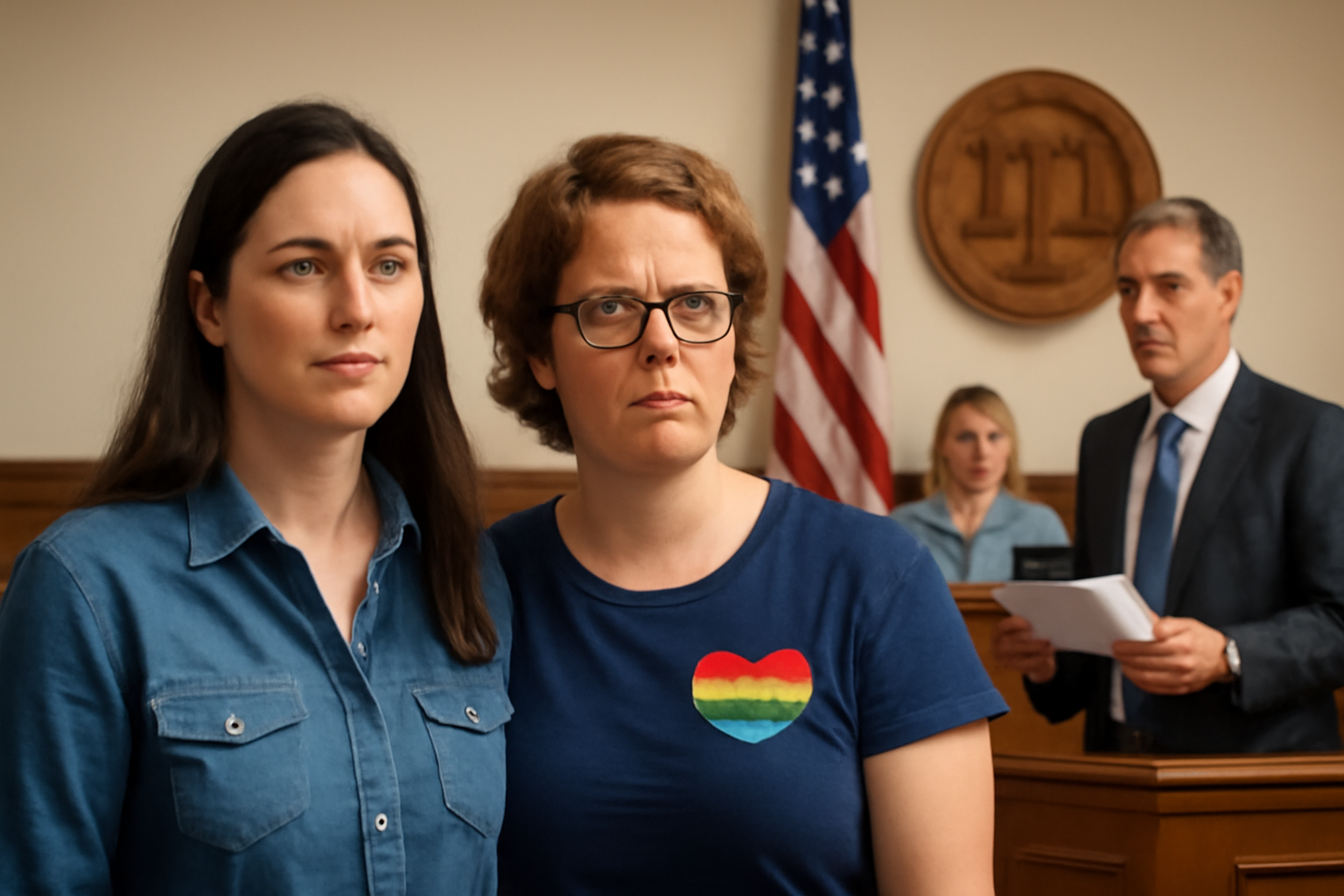
The courtroom clash over same-sex marriage in Texas
Texas has stirred up controversy by passing a measure that lets judges refuse marriage ceremonies involving same-sex couples if those ceremonies clash with their personal religious beliefs. The Texas Supreme Court backs this tweak in judicial conduct, which many see as a green light allowing bias under a religious guise. This move could be particularly problematic in rural areas where there aren't many judges around, potentially making it hard, if not impossible, for LGBTQ+ couples to tie the knot.
When judges draw lines: hurdles for same-sex couples
Under this new ruling, judges can deny marriage licenses to same-sex couples simply by citing their "sincerely held religious belief." This decision comes after years spent fighting discriminatory practices in Texas' judicial system. In regions with scarce judicial resources, this change might drastically limit marriage options for same-sex couples, perpetuating existing prejudices and adding more roadblocks in their path.
These legal hurdles highlight how challenging it stillis for LGBTQ+ communities to achieve equal rights, especially in areas dominated by conservative religious views. Marriage should be a fundamental right, and letting personal beliefs get in theway puts equality and justice on shaky ground.
Healthcare hurdles for transgender youth
On a national stage, Trump-era policies proposed by the Department of Health and Human Services aim to cut off federal funding from hospitals offering gender-affirming care to transgender minors. Healthcare providers and civil rights advocates are up in arms, worried about how this might severely limit access to critical medical services for young transgender individuals.
Civil rights attorney Alejandra Caraballo warns this could lead to a "de facto national ban" on gender-affirming care. While progressive states might keep these services alive, the shrinking support and infrastructure could leave many transgender people without the healthcare they desperately need.
Transgender youth, already prone to discrimination and facing mental health challenges, would be even more at risk if access to supportive care dwindles. The threat of rolling back these services underscores just how important advocacy and protective policies are right now.
Politics and LGBTQ+ rights: a tangled web
In this heated climate, California's Governor Gavin Newsom highlights his legislative achievements as he counters claims of transphobia. Eyeing a possible 2028 presidential run, Newsom emphasizes his backing of pro-LGBTQ+ legislation. He clarifies his stance on transgender involvement in school sports, kindling discussion within the Democratic Party about how best to balance inclusivity with fairness in athletics.
Meanwhile, anti-trans activist Riley Gaines has tangled publicly with Congresswoman Alexandria Ocasio-Cortez, spotlighting transgender topics in political conversations. Ocasio-Cortez's responses reflect a widespread public pushback against anti-trans rhetoric.
Economic fallout and misleading claims
The Trump administration has also faced backlash after wrongly linking a lapse in SNAP benefits to advocacy efforts for transgender healthcare. This kind of misdirection seeks to shift focus away from the real issues caused by a government shutdown, while also unfairly stigmatizing the LGBTQ+ community.
Such rhetoric does more than just muddy policy waters; it fuels damaging stereotypes, leading to increased discrimination and violence against marginalized groups.
Strength and celebration in LGBTQ+ communities
Despite these setbacks, LGBTQ+ people continue celebrating their identities and successes. Recent Pride events in Savannah, Georgia, were a colorful testimony to community vibrancy and resilience. Celebrations like these are important; they reinforce identity and solidarity even amid political and legal challenges.
In conclusion, legal, healthcare, and political landscapes continue shaping LGBTQ+ experiences across America. As policies shift and debates rage on, informed advocacy and community backing are more essential than ever. Engaging with these issues via newsletters or community discussions helps promote understanding and push toward equality for all.
Stay informed and engaged by subscribing for updates on issues impacting LGBTQ+ communities.
Related Posts
Supreme Court to Address State Bans on Trans Women in Female Sports
The upcoming U.S. Supreme Court term promises to be a pivotal moment for transgender rights, as the nation's highest court has agreed to evaluate whether states have the authority to prohibit transgender women from participating in female sports competitions. This case, scheduled to be argued in the next term beginning October, is expected to have a significant impact on the future of sports inclu [...]
Megan Rapinoe and Sue Bird Announce Amicable Separation After Ten Years Together
In a heartfelt announcement that resonated deeply within the sports and LGBTQ+ communities, soccer star Megan Rapinoe and basketball legend Sue Bird have revealed their decision to part ways after nearly a decade together. The couple, who have been icons both on and off the field, shared the news with their fans through a joint statement on social media, expressing that the choice was made with mu [...]
Groundbreaking Ruling Ends Sodomy Ban for Police and Military in the Dominican Republic
The Constitutional Court of the Dominican Republic recently delivered a landmark decision on November 18th, ruling that the nation’s police and armed forces are not permitted to criminalize consensual same-sex relations among their personnel. This pivotal ruling is a significant stride towards equality and the protection of LGBTQ+ rights within these institutions. A Resounding Victory for Equal [...]