
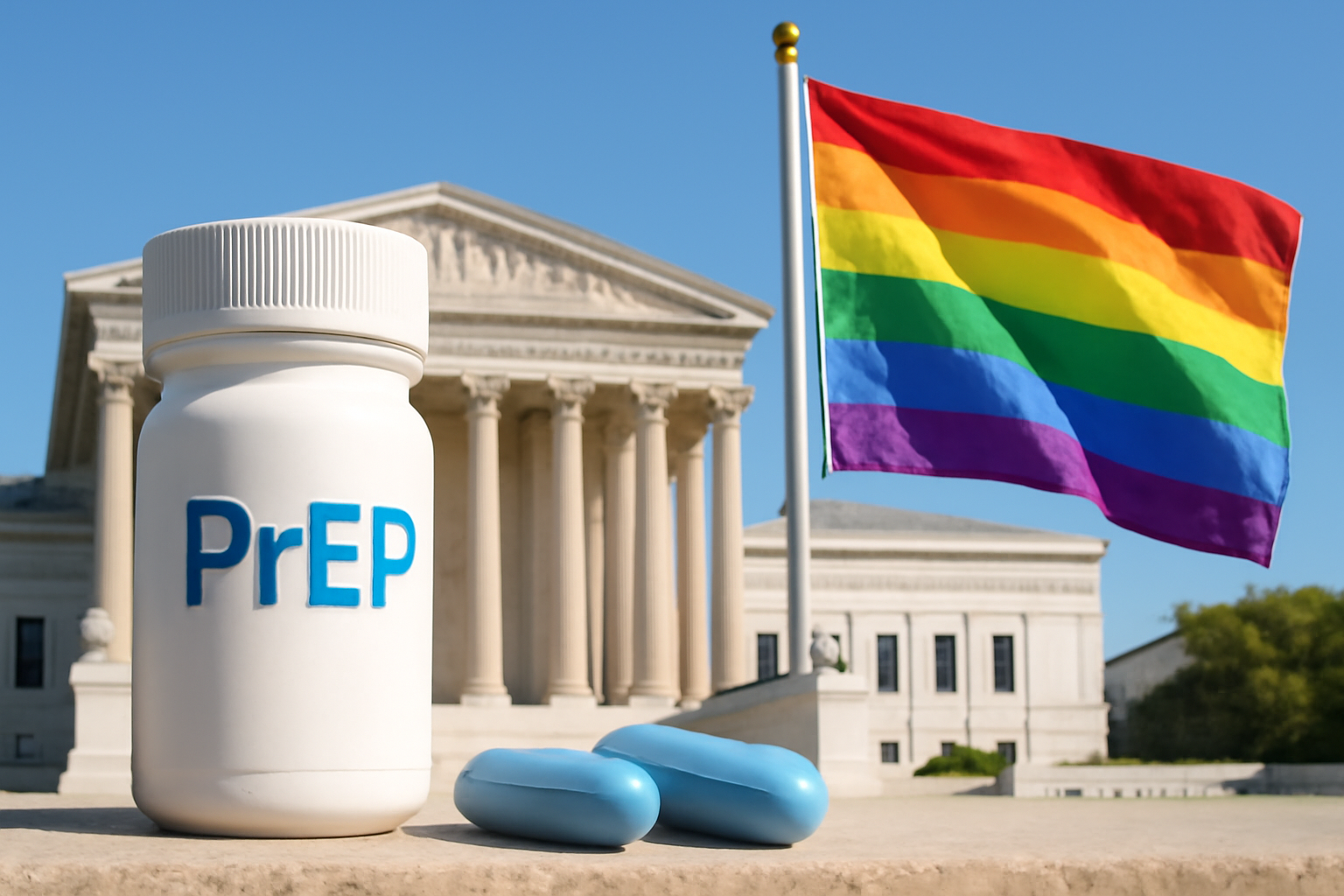
The upcoming ruling by the Supreme Court on whether insurance companies are required to cover PrEP for HIV prevention and cancer screenings is a pivotal moment for healthcare in the United States. This case is being closely watched by advocates, healthcare providers, and the LGBTQ+ community, as it could significantly affect access to essential preventative healthcare services.
Understanding PrEP and Its Importance
PrEP, or pre-exposure prophylaxis, is a daily medication regimen that significantly reduces the risk of HIV infection in people who are at high risk. Since its approval by the FDA, PrEP has been a game-changer in the fight against HIV/AIDS, offering a powerful tool for prevention. Access to PrEP is crucial for many in the LGBTQ+ community, particularly gay and bisexual men, transgender individuals, and other groups disproportionately affected by HIV.
Despite its proven efficacy, access to PrEP is not universal. The medication can be expensive without insurance coverage, creating a barrier for many who need it most. The Supreme Court's decision will play a crucial role in determining whether health insurers are obligated to cover this vital medication.
The Role of Preventative Care in Health
Preventative care, including cancer screenings, is another critical aspect of the case. These screenings can detect cancer early, when it is most treatable, significantly improving outcomes and saving lives. Services such as mammograms, colonoscopies, and Pap tests are standard components of preventive care recommended by healthcare professionals. Insurance coverage for these services ensures broader access, which is essential for early detection and effective treatment.
Cancer screenings are an integral part of health maintenance that can prevent the progression of diseases that might otherwise become life-threatening. For many, having insurance coverage for these screenings means the difference between catching a condition early and facing more severe health challenges down the line.
The Implications of the Supreme Court Decision
The decision by the Supreme Court will have far-reaching implications. If the court rules that insurers are not obligated to cover PrEP and cancer screenings, it could lead to significant barriers in accessing these crucial health services. Such a ruling might disproportionately affect marginalized communities who already face significant health disparities.
Many LGBTQ+ advocates argue that denying coverage for PrEP and cancer screenings would be a step backward in the progression toward equitable healthcare. These preventative measures are essential in reducing health disparities and improving outcomes for those at risk.
Broader Impact on the LGBTQ+ Community
The LGBTQ+ community has historically faced numerous challenges in accessing appropriate healthcare. Discrimination, stigma, and a lack of understanding from some healthcare providers have contributed to these barriers. Ensuring that insurance covers critical preventative measures like PrEP and cancer screenings is vital in addressing these inequities.
The Supreme Court's decision could also set a precedent for how other preventative health measures are covered in the future. This could impact not only those seeking PrEP and cancer screenings but also a wide range of preventative services that are essential to maintaining public health.
Looking Forward
As the nation awaits the Supreme Court's decision, healthcare providers, advocacy groups, and individuals are calling for policies that prioritize public health and ensure access to essential services. Regardless of the outcome, it is clear that the conversation around healthcare coverage, prevention, and access will continue to be a significant issue in the United States.
For those in the LGBTQ+ community, the importance of this case cannot be overstated. It is a reminder of the ongoing struggle for equitable healthcare and the need for continued advocacy and awareness.
In anticipation of the court’s ruling, it is crucial for individuals and organizations to stay informed and engaged. The outcome will likely have a profound impact on the health and well-being of many, making it a critical issue for everyone involved in healthcare advocacy and policy.
Related Posts
California Governor Pressed to Enact Key Transgender Rights Legislation
California Governor Pressed to Enact Key Transgender Rights Legislation In a significant move, advocacy groups across California are urging Governor Gavin Newsom to ratify a series of bills designed to enhance and protect the rights of transgender individuals within the state.*break* In recent weeks, a coalition of transgender rights organizations has mobilized the public to contact Governor New [...]
Exploring 'Feminine': A Preview at The Pride Center of New Jersey
An Exciting Artistic Expression of Identity The Pride Center of New Jersey is thrilled to host a captivating preview of the exhibit "Feminine," a unique artistic exploration of gender and identity. This event promises to be an enriching experience for anyone interested in the vibrant tapestry of the LGBTQ+ community. The preview will take place at the Pride Center, located in the welcoming town of [...]
Controversy at the Kennedy Center: Drag Shows Thrive Despite Political Promises
In a surprising turn of events, the Kennedy Center, an iconic cultural venue, finds itself at the center of a political and cultural controversy. This comes after former President Donald Trump made headlines by dismissing the Kennedy Center's board, appointing himself as chair, and installing Ric Grenell, a devoted supporter, as the interim head. This move was part of an effort to eliminate what T [...]