
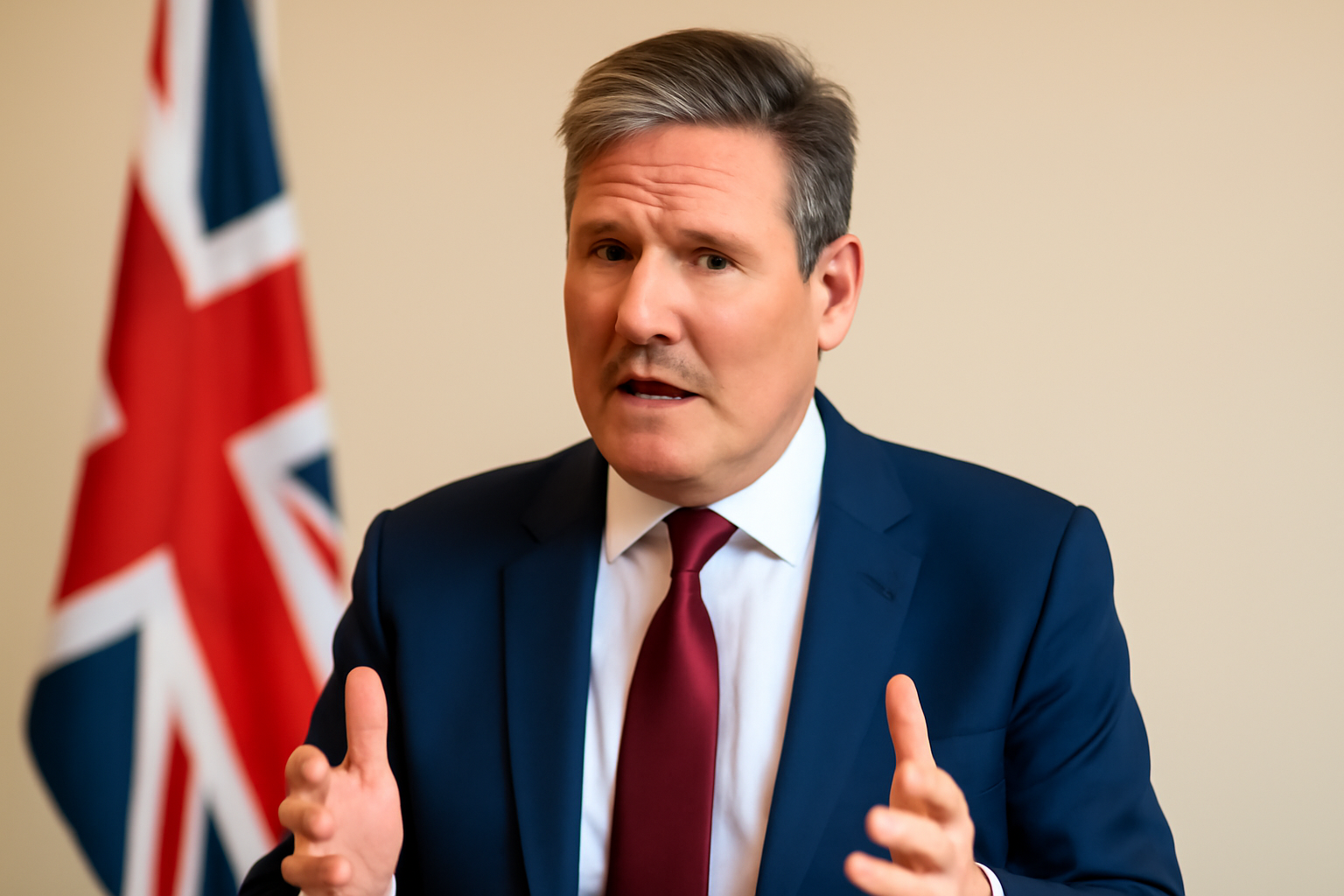
The Labour government is currently considering the reintroduction of a controversial university free speech law, previously halted due to widespread concerns about its potential to enable hate speech on campuses.
Originally passed by the Conservative government in 2023, the Higher Education Freedom of Speech Act empowered the Office for Students (OfS) to levy fines on universities, higher education providers, and student unions that failed to uphold free speech. It also established a complaints mechanism for students, staff, and guest speakers who believed they were unjustly prevented from expressing their views.
The legislation emerged in the wake of several high-profile student protests against controversial speakers on campuses. One notable incident involved gender-critical academic Kathleen Stock, whose invitation to speak at the Oxford Union sparked significant backlash. The event drew condemnation from various Oxford colleges, over 100 Oxford academics, and even led to violent threats against the university's LGBTQ+ president. A protester disrupted Stock’s talk by gluing their hand to the floor, highlighting the intense emotions surrounding the debate.
Despite its initial passage, the bill was never implemented. Labour, after their overwhelming electoral victory in July, paused the legislation due to fears that it might inadvertently allow dangerous hate speech, such as Holocaust denial, to gain a platform on campuses.
According to reports from the BBC, a government source has indicated that the Labour administration is considering reviving the legislation, though it remains uncertain whether any modifications will be made to address previous criticisms. Education Secretary Bridget Phillipson, who halted the law in July 2024, previously described it as "not fit for purpose," citing potential risks of exposing students to harmful and hateful rhetoric.
Phillipson, also the Minister for Women and Equalities, emphasized the need for a careful review: "I am aware of concerns that the Act could impose substantial burdens on both providers and the OfS. My goal is to ensure that any legislation we support not only protects free speech but also safeguards students from harm. I will confirm our long-term plans shortly."
The proposal to revive the bill has garnered support from Laura Trott, the Conservative shadow education secretary, who argued that for the bill to be effective, it must include the statutory tort provision.
In a recent interview with BBC Radio 4’s Today programme, Vivienne Stern, chief executive of Universities UK, acknowledged the importance of free speech in academic environments. "Universities have been diligently preparing for the Act, aiming to enhance their policies," she noted. "However, elements of this legislation could impede universities in fulfilling their legal duties, particularly concerning harassment, hate speech, and radicalisation."
Professor Shitij Kapur, president of King’s College London and chair of a Universities UK advisory group on free speech, expressed similar sentiments in an article published in The Telegraph. He underscored that while free speech and academic freedom are crucial, the public must trust that universities remain spaces for open discourse and intellectual development. "It is essential," Kapur argued, "that our universities facilitate discussions on all topics within the legal framework, fostering an environment where ideas are tested and refined for the benefit of both students and society."
Kapur also stressed that universities are not platforms for unrestricted expression akin to a public Speakers’ Corner. "Academic freedom must be accompanied by a commitment to evidence-based discourse," he asserted. "Scholars have a responsibility to engage constructively, subjecting their ideas to scrutiny and debate."
The debate around this legislation continues to provoke strong opinions. As Labour weighs its options, the question remains: how can universities balance the right to free speech with the need to protect their communities from harm? The conversation is ongoing, and public input is invaluable in shaping the future of free speech in higher education.
What are your thoughts? Join the discussion in the comments but remember to keep the dialogue respectful and constructive.
Related Posts
Supreme Court to Address State Bans on Trans Women in Female Sports
The upcoming U.S. Supreme Court term promises to be a pivotal moment for transgender rights, as the nation's highest court has agreed to evaluate whether states have the authority to prohibit transgender women from participating in female sports competitions. This case, scheduled to be argued in the next term beginning October, is expected to have a significant impact on the future of sports inclu [...]
Megan Rapinoe and Sue Bird Announce Amicable Separation After Ten Years Together
In a heartfelt announcement that resonated deeply within the sports and LGBTQ+ communities, soccer star Megan Rapinoe and basketball legend Sue Bird have revealed their decision to part ways after nearly a decade together. The couple, who have been icons both on and off the field, shared the news with their fans through a joint statement on social media, expressing that the choice was made with mu [...]
Groundbreaking Ruling Ends Sodomy Ban for Police and Military in the Dominican Republic
The Constitutional Court of the Dominican Republic recently delivered a landmark decision on November 18th, ruling that the nation’s police and armed forces are not permitted to criminalize consensual same-sex relations among their personnel. This pivotal ruling is a significant stride towards equality and the protection of LGBTQ+ rights within these institutions. A Resounding Victory for Equal [...]