
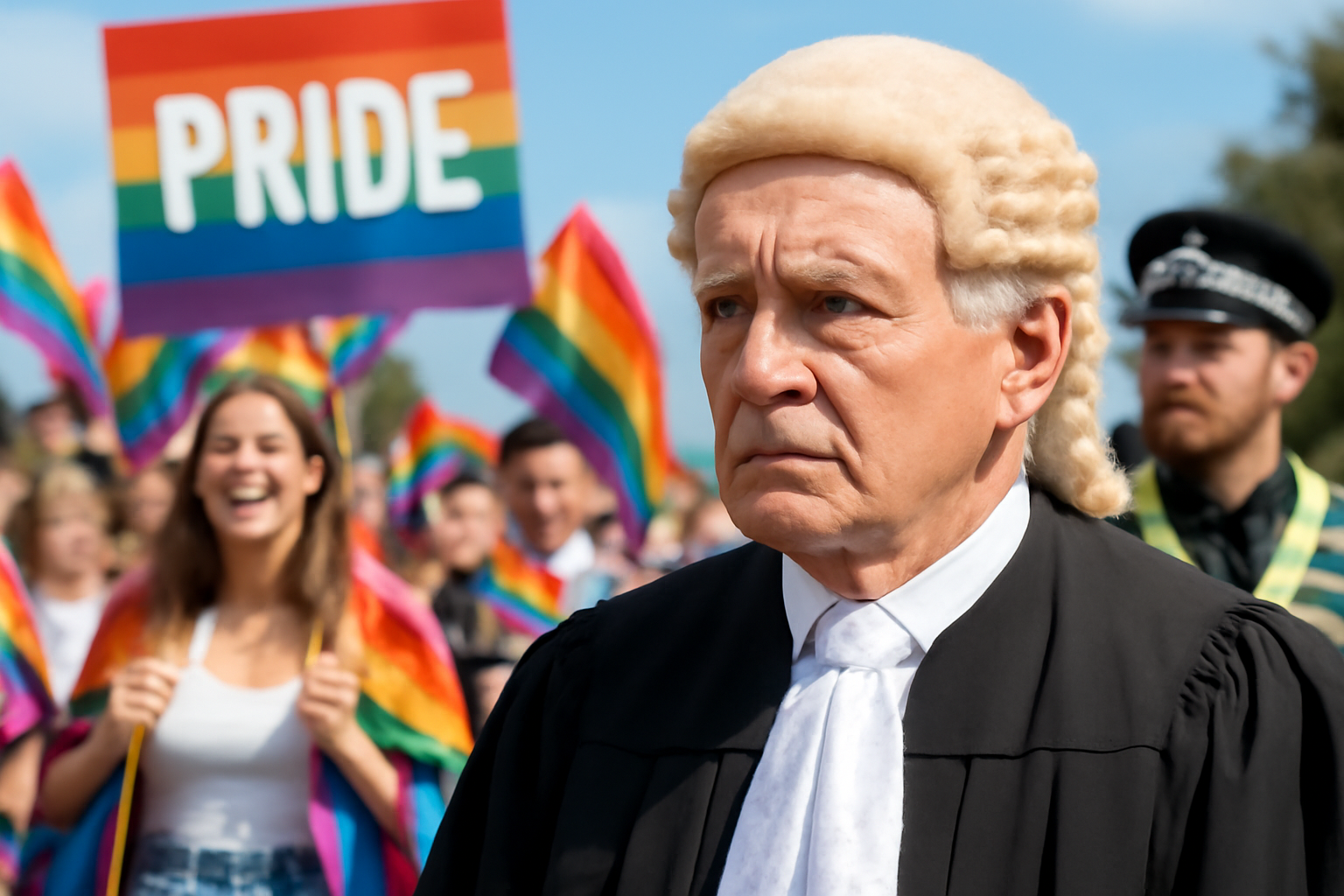
Judge's take on police in parades
Mr. Justice Linden, who presided over this case, agreed with Smith. He concluded that officers donning their uniforms while marching with such banners clashed with their obligation not just in regards with neutrality, but especially concerning "contested societal issues." He pointed out that their visible support could cast doubt on their ability as impartial managers in situations where different groups might clash. "When they march in uniform and carry flags like Police Pride, they're showing support," Linden said. He warned that this could lead people, including those with "gender critical" views, questioning whether officers can fairly handle disputes involving LGBTQ+ rights supporters.What does this mean?
Smith's lawyer, Paul Conrathe, believes this ruling holds "national importance," making local authorities and LGBTQ+ groups ponder its wider impacts. He stressed that police must stay neutral on politically charged topics, which helps maintain public trust. After this ruling, Northumbria police expressed their commitment towards safety during last year's parade. They saw it as an opportunity that might help them connect better with a community that may not always have faith in law enforcement. Now, with this judgment, they're looking at what it might mean as far as future Pride events. "Our main focus has always been safety," a police spokesperson said. "We're going through this judgment carefully so we can fully grasp what it means in terms future community engagements." It's still up in air whether officers will participate in this year's Pride parade.Talking about police roles
This decision has triggered a national discussion: what's really police's role in public events with political or social touchpoints? LGBTQ+ activists argue that having police support helps build trust, especially in marginalized communities. Critics like Smith, though, say it hurts perceived neutrality. Law enforcement and community experts are watching closely, as this ruling might affect police involvement in similar events across England. With ongoing societal debates surrounding gender identity, finding a balance between police neutrality and community support will be key. The Pride parade in Northumbria will go on, albeit under this divisive decision's shadow. Community members and legal experts are watching closely, understanding that what unfolds here could influence beyond Northern England. Want more updates on LGBTQ+ rights and community happenings? Join our newsletter so you don't miss out on global developments affecting LGBTQ+ folks and their allies. Tags: LGBTQ+ rights, police neutrality, Pride parade, gender ideology, community engagementRelated Posts
Supreme Court to Address State Bans on Trans Women in Female Sports
The upcoming U.S. Supreme Court term promises to be a pivotal moment for transgender rights, as the nation's highest court has agreed to evaluate whether states have the authority to prohibit transgender women from participating in female sports competitions. This case, scheduled to be argued in the next term beginning October, is expected to have a significant impact on the future of sports inclu [...]
Megan Rapinoe and Sue Bird Announce Amicable Separation After Ten Years Together
In a heartfelt announcement that resonated deeply within the sports and LGBTQ+ communities, soccer star Megan Rapinoe and basketball legend Sue Bird have revealed their decision to part ways after nearly a decade together. The couple, who have been icons both on and off the field, shared the news with their fans through a joint statement on social media, expressing that the choice was made with mu [...]
Groundbreaking Ruling Ends Sodomy Ban for Police and Military in the Dominican Republic
The Constitutional Court of the Dominican Republic recently delivered a landmark decision on November 18th, ruling that the nation’s police and armed forces are not permitted to criminalize consensual same-sex relations among their personnel. This pivotal ruling is a significant stride towards equality and the protection of LGBTQ+ rights within these institutions. A Resounding Victory for Equal [...]