
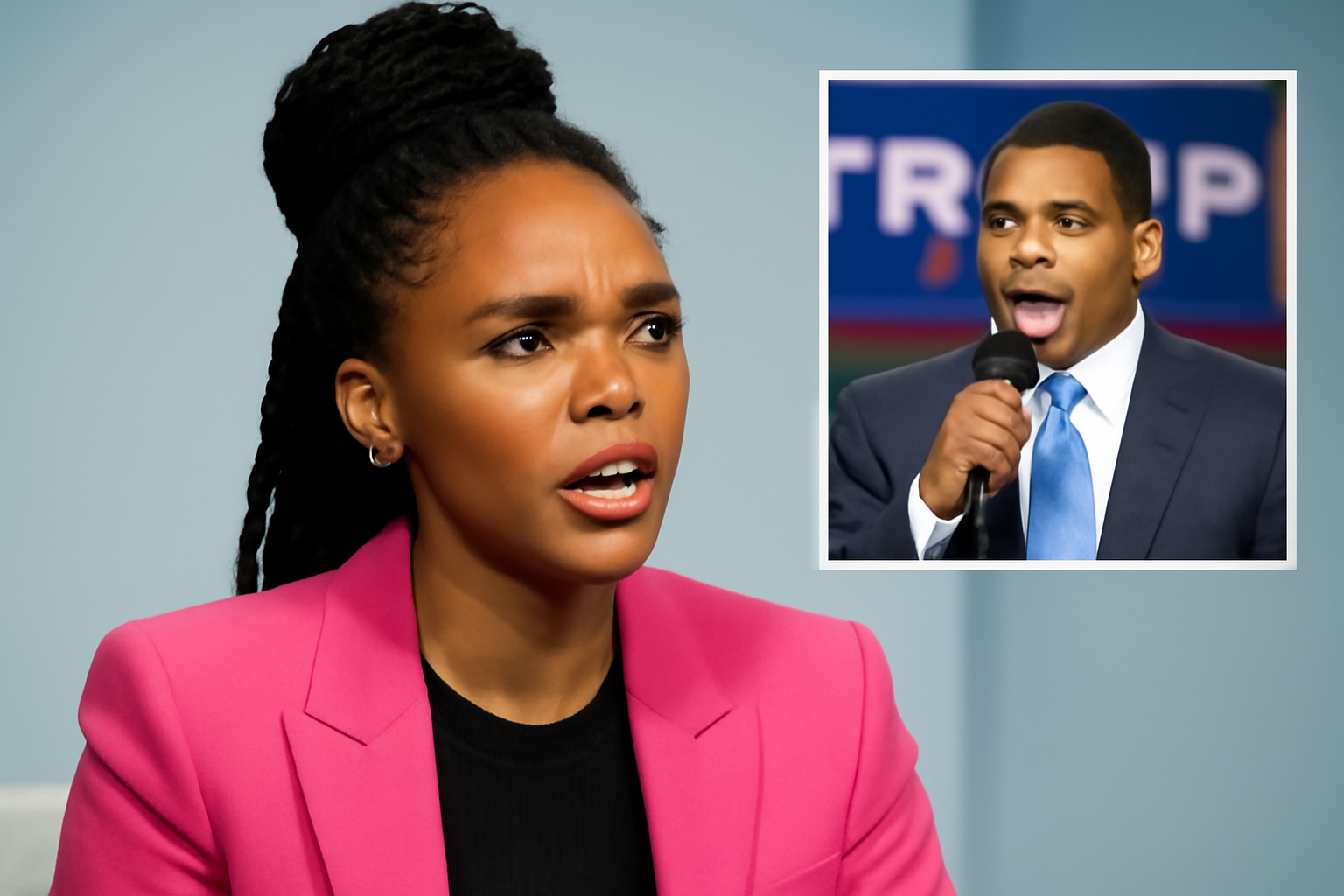
Janelle Monáe calls out Nelly over Trump inauguration performance
Janelle Monáe, singer and passionate activist, recently made waves by criticizing rapper Nelly's choice in performing at Donald Trump's Liberty Inaugural Ball. Known widely as a fierce advocate within LGBTQ+ circles, Monáe didn't hold back her disappointment over Nelly's involvement with an event celebrating Trump's presidency.
At a Grammys after-party, Monáe, who came out as non-binary in 2022, seized a moment on stage with Anderson .Paak during a rendition of Nelly's hit "Hot in Herree" to express her feelings. She shouted, "F*** you, Nelly. I used to like Nelly, but then he went to perform for Donald Trump."
She didn't stop there, delivering more sharp words: "Nelly, you sold out. I used to think he was cool, but now you look like a mother****ing fool... f*** you, you got a new attitude." Her unrestrained remarks quickly set off a firestorm both online and off, sparking lively debates on how entertainers intersect with politics.
Nelly stands by his Trump event performance
Nelly wasn't silent in light of Monáe's criticisms, stepping up to defend why he performed at the event. "This isn't politics," he explained, arguing that fans shouldn't assume his political alignment based on a performance. "I didn't know that you was riding with me because you thought I would ride for who you voted for. I didn't know that I had to agree with your political choices. If you follow what I do, this shouldn't even be an argument," he asserted.
He added that supporting whoever occupies the office of president is a professional obligation, not an endorsement of individual policies. "I support the president of the United States, regardless of who is in office. I respect the office," Nelly said. He underlined that his appearance was simply a commitment, and he would've accepted the gig no matter who was sworn in.
Exploring reactions and wider issues
Nelly's performance ignited discussions on artists' involvement in political matters, similar to those faced by Carrie Underwood and the Village People, who endured backlash for also performing for Trump's events. For many fans, supporting Trump means supporting policies that have been harmful to LGBTQ+ rights, fostering conflicting feelings.
Just after Trump's second term inauguration, he signed an executive order recognizing only two genders: male and female. This decision, widely seen as an attack on LGBTQ+ rights, was met with fierce anger and concern over the rights setback it signifies for activists and community members.
The Grammys incident highlights the ongoing debate about whether artists have political duties and what their audiences expect. Monáe's candid declarations show her unwavering dedication to marginalized communities, drawing both praise and criticism.
Have your say on this issue
This conversation's far from over, evolving continuously across social media platforms. It provokes essential questions on art's role in politics and whether public figures should align their work with personal beliefs.
What do you think? Should artists abstain from politically charged events, or does their role exempt them from these conflicts? We'd love to hear your views. Join the debate and share your thoughts below, and let's keep the discussion respectful and meaningful.
Related Posts
Supreme Court to Address State Bans on Trans Women in Female Sports
The upcoming U.S. Supreme Court term promises to be a pivotal moment for transgender rights, as the nation's highest court has agreed to evaluate whether states have the authority to prohibit transgender women from participating in female sports competitions. This case, scheduled to be argued in the next term beginning October, is expected to have a significant impact on the future of sports inclu [...]
Megan Rapinoe and Sue Bird Announce Amicable Separation After Ten Years Together
In a heartfelt announcement that resonated deeply within the sports and LGBTQ+ communities, soccer star Megan Rapinoe and basketball legend Sue Bird have revealed their decision to part ways after nearly a decade together. The couple, who have been icons both on and off the field, shared the news with their fans through a joint statement on social media, expressing that the choice was made with mu [...]
Groundbreaking Ruling Ends Sodomy Ban for Police and Military in the Dominican Republic
The Constitutional Court of the Dominican Republic recently delivered a landmark decision on November 18th, ruling that the nation’s police and armed forces are not permitted to criminalize consensual same-sex relations among their personnel. This pivotal ruling is a significant stride towards equality and the protection of LGBTQ+ rights within these institutions. A Resounding Victory for Equal [...]