
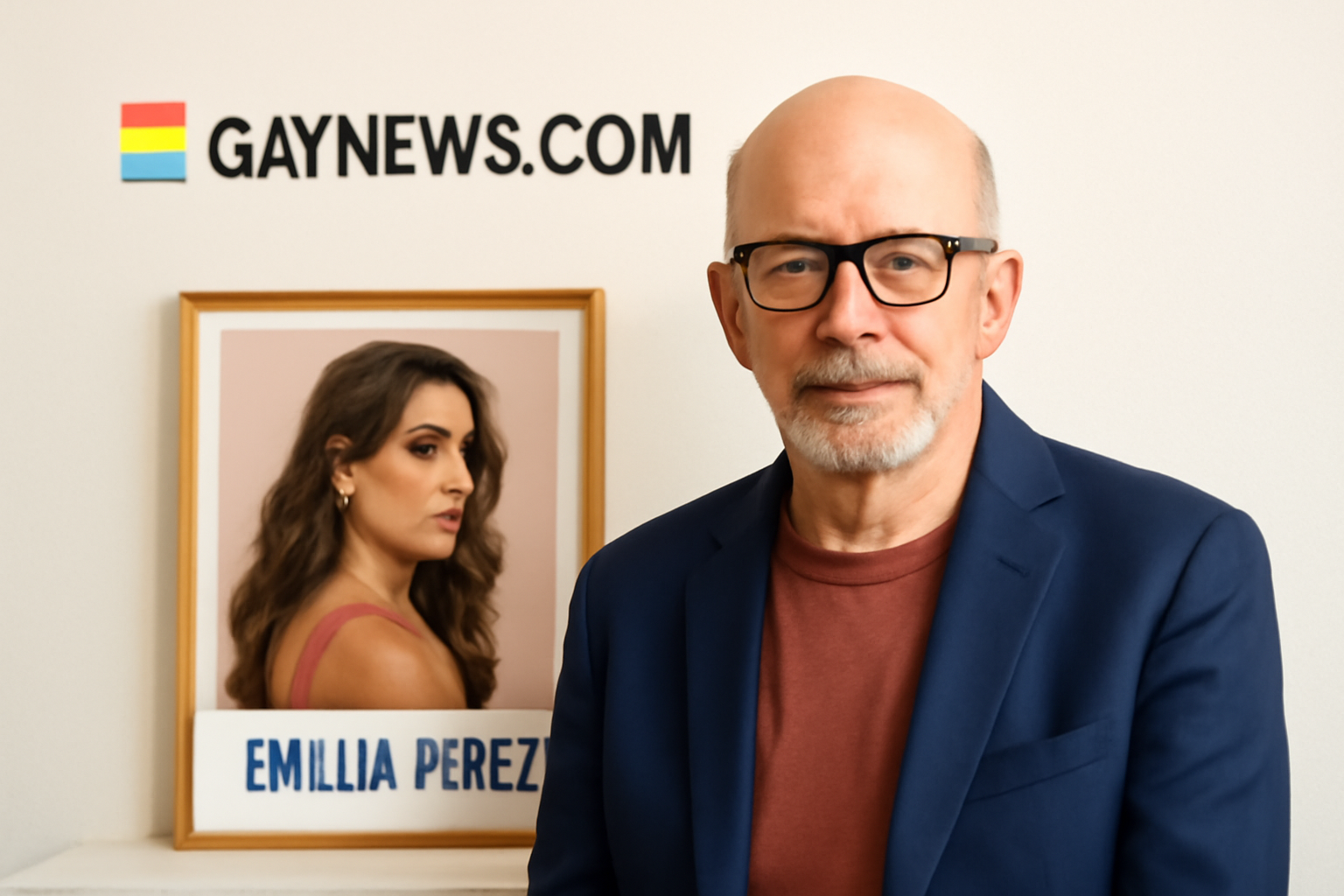
The role directors play in representation: Jacques Audiard and "Emilia Pérez"
In films, directors shape how we talk about representation and narratives. Take Jacques Audiard, a well-known director, who found himself in a spotlight with his film "Emilia Pérez." This movie, which got a lot buzz at a major awards show, dives deep themes like transformation and identity. Yet, Audiard chose not speak about trans issues at this event, stirring conversations in many circles.
Jacques Audiard's pivotal Oscar moment
When Jacques Audiard took center stage at that awards ceremony with "Emilia Pérez," it was a moment filled with pride and reflection. The film was praised not only its unique storytelling and standout performances but also its meaningful contributions cinema. Despite all accolades, Audiard deliberately decided against discussing trans issues in his acceptance speech. This choice hints at his personal and strategic outlook, shedding light on how he connects with movie's themes.
Audiard's insightful take
In an enlightening interview post-ceremony, Audiard explained his decision, saying, "I didn't win award, so I felt it wasn't my place speak on those issues at that moment." His words emphasize his commitment letting those directly impacted by film's themes speak up. This stance sparks a wider discussion about who gets tell stories marginalized communities and how those stories are portrayed in media.
Exploring "Emilia Pérez"
"Emilia Pérez" dives deep in exploring identity and transformation. Guided by protagonist's journey, film touches on themes self-discovery, acceptance, and personal change. Audiard crafted story that resonates universally while specifically addressing gender identity experiences. The movie praised both sensitivity and its challenge traditional storytelling methods in cinema.
The critical role representation plays in media
Seeing yourself on screen can be incredibly powerful. For many in LGBTQ+ community, representation fosters understanding and empathy. Audiard's "Emilia Pérez" adds rich narratives centered on transformation, both literal and metaphorical. His choice not address trans issues directly during awards highlights ongoing debate: what responsibility do creators have in advocating communities they portray?
The LGBTQ+ community's mixed responses
Reactions from LGBTQ+ community and its allies have been mixed. Some appreciated Audiard's decision let others speak, realizing he stepped back with intention. Others felt, as director, he had duty use his platform highlight important issues around trans rights representation. This split reflects larger conversation about who should speak and how allies best support communities they're representing.
Looking forward: film's future in representation
As talks about representation in media continue shifting, directors like Jacques Audiard might face more moments reflection and big decisions. "Emilia Pérez" serves as a key example how stories about marginalized groups can be shown with care and depth. Audiard's method reminds us there's a careful balance between artistic expression and social responsibility.
Ultimately, discussion around "Emilia Pérez" and Audiard's role in it embodies ongoing journey toward more inclusive storytelling. As creators and audiences navigate this terrain, hope remains more voices will be heard and stories told with genuine authenticity and care.
Related Posts
Supreme Court to Address State Bans on Trans Women in Female Sports
The upcoming U.S. Supreme Court term promises to be a pivotal moment for transgender rights, as the nation's highest court has agreed to evaluate whether states have the authority to prohibit transgender women from participating in female sports competitions. This case, scheduled to be argued in the next term beginning October, is expected to have a significant impact on the future of sports inclu [...]
Megan Rapinoe and Sue Bird Announce Amicable Separation After Ten Years Together
In a heartfelt announcement that resonated deeply within the sports and LGBTQ+ communities, soccer star Megan Rapinoe and basketball legend Sue Bird have revealed their decision to part ways after nearly a decade together. The couple, who have been icons both on and off the field, shared the news with their fans through a joint statement on social media, expressing that the choice was made with mu [...]
Groundbreaking Ruling Ends Sodomy Ban for Police and Military in the Dominican Republic
The Constitutional Court of the Dominican Republic recently delivered a landmark decision on November 18th, ruling that the nation’s police and armed forces are not permitted to criminalize consensual same-sex relations among their personnel. This pivotal ruling is a significant stride towards equality and the protection of LGBTQ+ rights within these institutions. A Resounding Victory for Equal [...]