
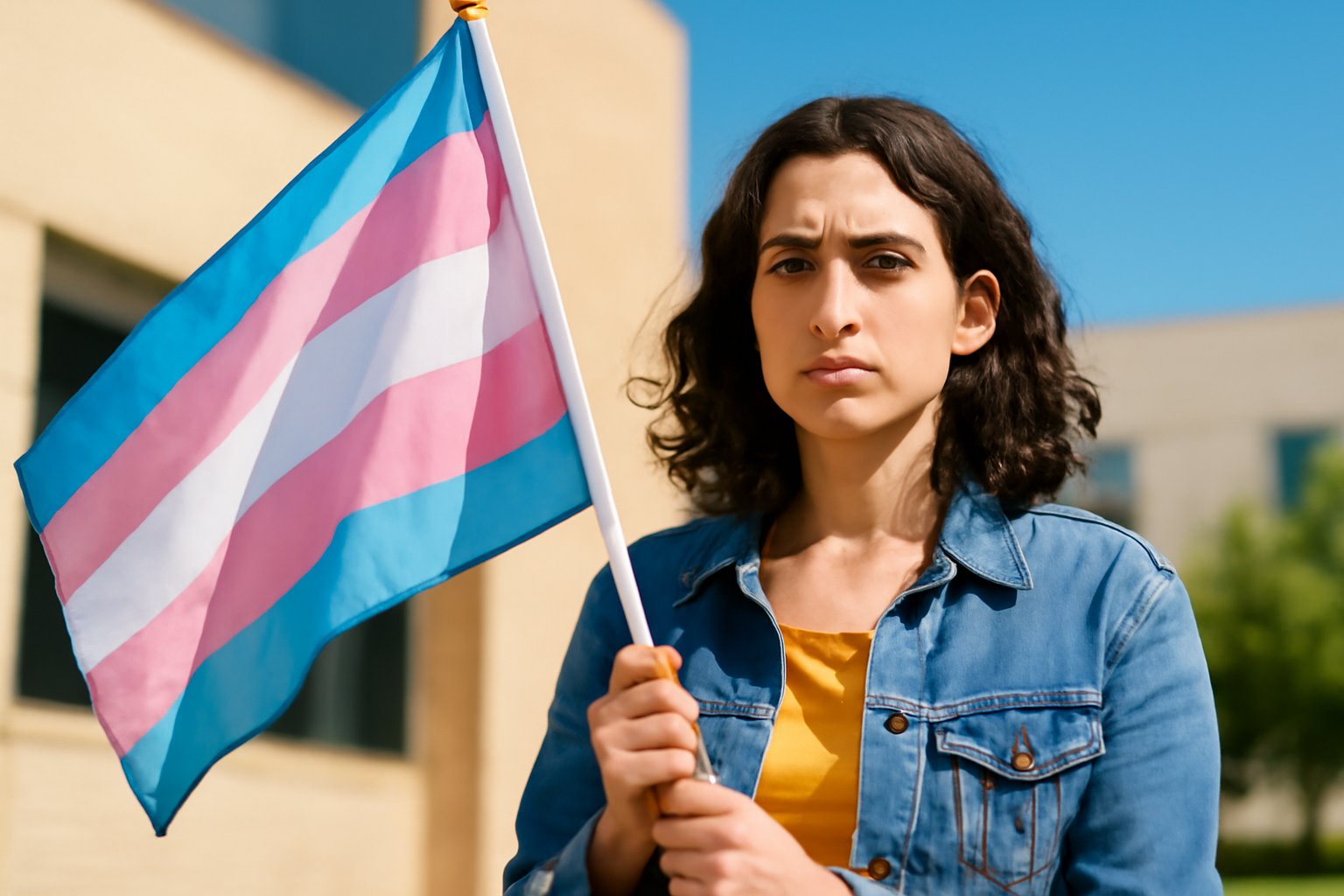
Iowa's recent decision has certainly stirred up quite a bit. They've opted out on a set protections that were, until now, extended specifically towards transgender people. This has sparked a lot more than just a local debate—it's drawn national attention, with advocates worried about what this means moving forward.
What are transgender protections?
When we talk about transgender protections, we're referring really just basic human rights—laws and measures that make sure transgender people are not discriminated against. These include anti-discrimination laws, access healthcare that's specific needs, and allowing individuals amend their legal documents so they accurately reflect their identity. In states that have them, these protections are pivotal in battling discrimination in jobs, housing, and public spaces—basically ensuring everyone gets fair treatment.
Iowa's repeal: what's happening?
Previously, Iowa had some policies in place that shielded transgender folks from discrimination. But now, they've rolled these back, and this has alarmed human rights groups and LGBTQ+ advocates alike.
The absence these protections means that transgender people in Iowa might have a tougher time asserting their rights. This lack could potentially lead discrimination increase, particularly in areas like employment, housing, and access critical services.
Community response: stepping up
The LGBTQ+ community and their allies haven't taken this lying down. They've been vocal, calling repeal a major step back civil rights. They're highlighting why it remains so critical defend rights every individual, no matter their gender identity, and are pushing hard reinstate these important safeguards.
Protests, awareness campaigns—various organizations are on it, aiming engage lawmakers public. They're making it clear just how important these protections are, pushing hard bring them back.
The broader impact: legal and social
This repeal could have a really wide-ranging impact, legally socially. Without legal protection, transgender people might find it a lot tougher pursue justice encounters discrimination. Socially, it might seem some that discrimination against transgender folks has become somehow more acceptable, possibly leading more bias prejudice incidents.
It could also affect how safe transgender people feel in Iowa—potentially making them more vulnerable. We might even tension that such a move discourages transgender individuals from moving staying Iowa, which could diminish diversity inclusivity within state.
Moving forward: equality still matters
Despite setback, advocates are far from giving up. They're committed battling equality justice. They're focusing on educating public about transgender issues and why discrimination leaves such deep scars. Through dialogue advocacy, they're hoping not just reinstate but enhance protections people in Iowa.
As long conversations continue, it really matters that allies supporters speak up—they need show their support transgender community. By shedding light fostering understanding, there just might be hope on horizon that Iowa could once again be place that honors rights dignity all its residents.
What's happening in Iowa underscores ongoing struggle LGBTQ+ rights and why being vigilant matters. This moment serves as a reminder that continued advocacy solidarity play key roles pursuit equality.
Related Posts
Supreme Court to Address State Bans on Trans Women in Female Sports
The upcoming U.S. Supreme Court term promises to be a pivotal moment for transgender rights, as the nation's highest court has agreed to evaluate whether states have the authority to prohibit transgender women from participating in female sports competitions. This case, scheduled to be argued in the next term beginning October, is expected to have a significant impact on the future of sports inclu [...]
Megan Rapinoe and Sue Bird Announce Amicable Separation After Ten Years Together
In a heartfelt announcement that resonated deeply within the sports and LGBTQ+ communities, soccer star Megan Rapinoe and basketball legend Sue Bird have revealed their decision to part ways after nearly a decade together. The couple, who have been icons both on and off the field, shared the news with their fans through a joint statement on social media, expressing that the choice was made with mu [...]
Groundbreaking Ruling Ends Sodomy Ban for Police and Military in the Dominican Republic
The Constitutional Court of the Dominican Republic recently delivered a landmark decision on November 18th, ruling that the nation’s police and armed forces are not permitted to criminalize consensual same-sex relations among their personnel. This pivotal ruling is a significant stride towards equality and the protection of LGBTQ+ rights within these institutions. A Resounding Victory for Equal [...]