
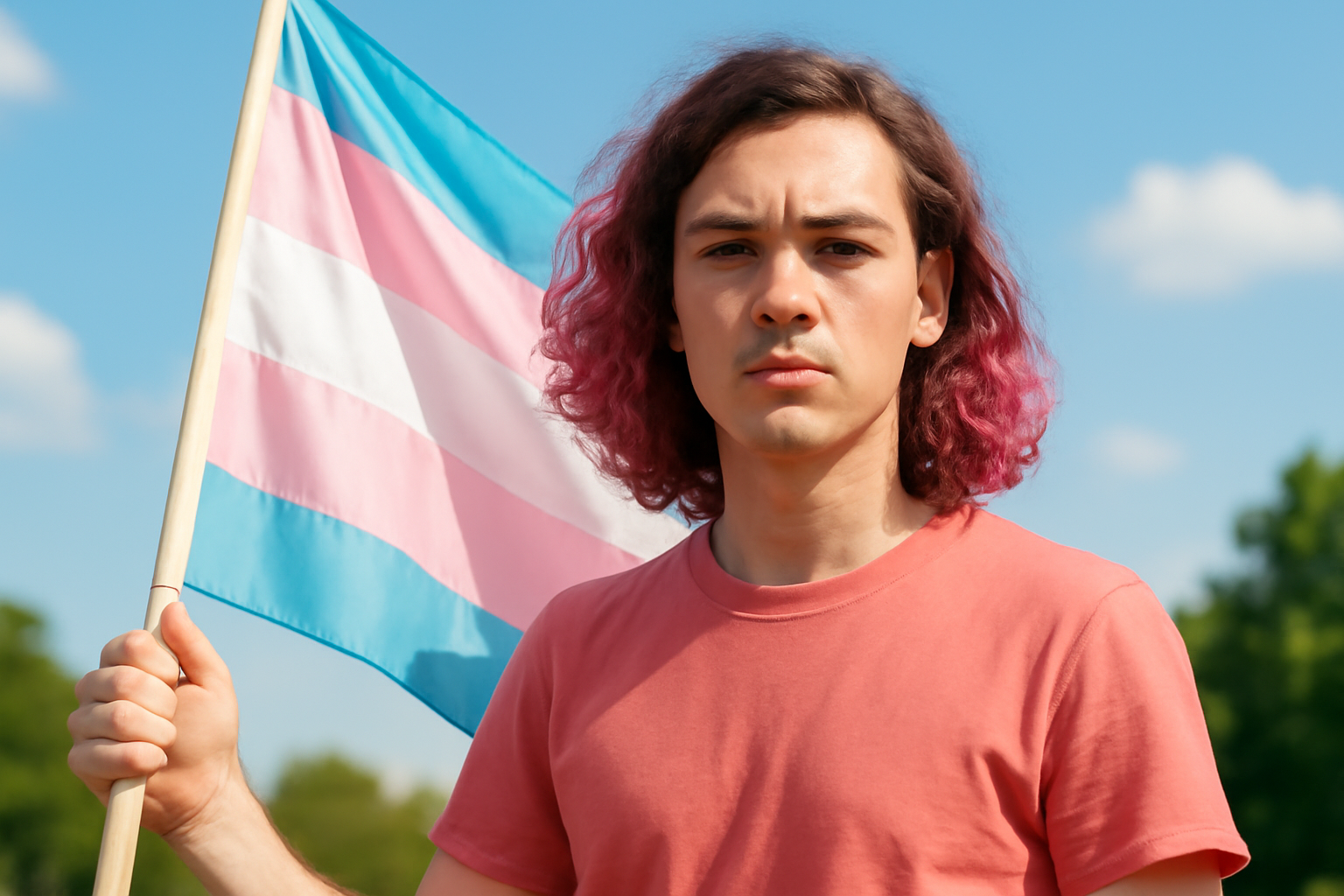
The Iowa House has taken significant steps toward advancing legislation that would eliminate "gender identity" from the list of protected classes under the state’s anti-discrimination laws. This legislative move, if passed, would notably be the first instance in which a U.S. state has retracted anti-discrimination protections for a particular group of people.
Understanding the Implications
Currently, Iowa’s civil rights laws cover protection against discrimination in several areas, including employment, public accommodations, housing, education, and more, based on characteristics such as race, color, creed, gender identity, sex, sexual orientation, religion, national origin, or disability status. "Gender identity" and "sexual orientation" were only added to this list in 2007, receiving endorsement from both major political parties at the time.
However, the current bill’s proponents assert that incorporating "gender identity" was a misstep. They argue that this removal is necessary to ensure that sex-based protections remain clear and unconflicted by what they term as "fluid or subjective definitions of gender." Amber Williams, a lobbyist for a group supporting a "Christ-centered culture," claims that the bill would safeguard women’s privacy and safety in gender-specific spaces.
Political and Public Responses
The progression of this bill has sparked significant opposition. During a state House Judiciary Committee meeting, several hundred demonstrators assembled at the Iowa Capitol to voice their dissent. These demonstrators, along with various witnesses, expressed concerns that this legislative change would leave transgender individuals vulnerable to open discrimination.
Mandi Remington, an activist and local government official, voiced her concerns to the committee, stating, “It tells an entire group of Iowans — our neighbors, students, coworkers, and family members — that they’re not worthy of the same rights and protections as everyone else.” This perspective highlights the broader societal implications of the bill, suggesting a regression in the equality and inclusivity that many have worked toward.
Court Rulings and Legislative Conflicts
The bill’s introduction comes in the wake of a significant 2022 Iowa Supreme Court ruling in favor of a transgender state employee who had experienced discrimination regarding access to gender-appropriate facilities. This ruling was hailed as a victory for the transgender community, ensuring redress for discrimination based on gender identity. However, the proposed bill would negate such protections for future cases.
House Speaker Pat Grassley has pointed to the Supreme Court’s ruling as conflicting with newly adopted policies which prevent transgender individuals from accessing certain gender-segregated spaces, such as women’s bathrooms. He argues that the legislation aligns with broader policies implemented across other states and recent federal executive orders.
Broader National Context
The Iowa bill is consistent with a series of federal actions under the previous administration that sought to curtail transgender rights, including banning transgender individuals from serving in the military and preventing changes to gender markers on official documents. These actions reflect a wider national trend of legislative and policy measures that many view as undermining transgender rights and identities.
As the Iowa bill advances through legislative channels, it serves as a focal point for discussions on civil rights, the scope of anti-discrimination protections, and the ongoing struggle for LGBTQ+ equality. It also underscores the importance of remaining vigilant and proactive in defending the rights of marginalized communities.
For those following this issue, the outcome of Iowa’s legislative process will likely have far-reaching implications, both in the state and potentially as a precedent for other states considering similar measures. Stakeholders and advocates continue to monitor developments, emphasizing the need for continued advocacy and support for transgender rights and protections.
Stay Informed and Engaged
The LGBTQ+ community and allies are encouraged to stay informed about these developments through reliable sources and to engage with advocacy groups working to protect and advance rights for all members of the community. By subscribing to newsletters and participating in advocacy efforts, individuals can play an active role in shaping the future of equality and justice.
As the situation evolves, it remains crucial to maintain focus on inclusivity and equality, ensuring that all individuals, regardless of gender identity, are afforded the dignity and respect they deserve.
Related Posts
Supreme Court to Address State Bans on Trans Women in Female Sports
The upcoming U.S. Supreme Court term promises to be a pivotal moment for transgender rights, as the nation's highest court has agreed to evaluate whether states have the authority to prohibit transgender women from participating in female sports competitions. This case, scheduled to be argued in the next term beginning October, is expected to have a significant impact on the future of sports inclu [...]
Megan Rapinoe and Sue Bird Announce Amicable Separation After Ten Years Together
In a heartfelt announcement that resonated deeply within the sports and LGBTQ+ communities, soccer star Megan Rapinoe and basketball legend Sue Bird have revealed their decision to part ways after nearly a decade together. The couple, who have been icons both on and off the field, shared the news with their fans through a joint statement on social media, expressing that the choice was made with mu [...]
Groundbreaking Ruling Ends Sodomy Ban for Police and Military in the Dominican Republic
The Constitutional Court of the Dominican Republic recently delivered a landmark decision on November 18th, ruling that the nation’s police and armed forces are not permitted to criminalize consensual same-sex relations among their personnel. This pivotal ruling is a significant stride towards equality and the protection of LGBTQ+ rights within these institutions. A Resounding Victory for Equal [...]