
The Legal Journey Continues
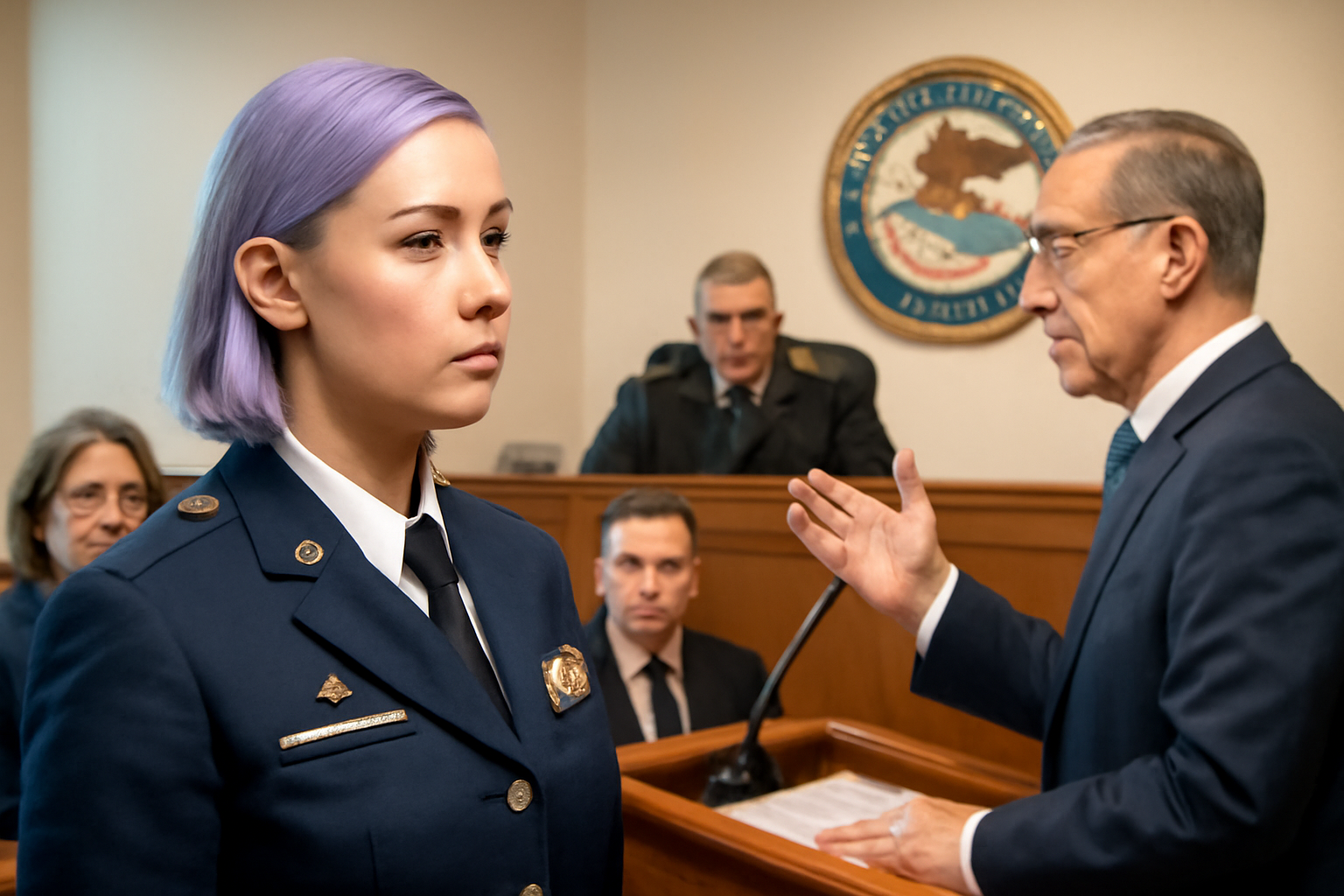
In a contentious hearing that captured national attention, a DC courtroom became the battleground over the future of transgender individuals serving in the military. The Department of Justice has made a renewed effort to lift the existing judicial block that prevents the implementation of a ban on transgender military service members, setting the stage for a heated legal dispute.
The courtroom atmosphere was charged, with impassioned arguments presented by both sides. Advocates for transgender rights argue that the proposed ban is discriminatory, undermines military cohesion, and harms national security by preventing willing and capable individuals from serving. Meanwhile, those in favor of the ban maintain that it is necessary for military readiness and efficiency.
Background and Context
The debate over whether transgender individuals should be allowed to serve openly in the military has been ongoing for several years. Initially, policies were put in place to allow transgender individuals to serve openly, which was seen as a significant step forward for LGBTQ+ rights. However, changes in administration have brought this policy back into question, leading to a series of legal challenges that have kept the issue in the courts.
In recent years, several federal courts have issued injunctions blocking the enforcement of any bans on transgender military service. These rulings were celebrated by LGBTQ+ advocates and allies as a victory for equality and inclusion. However, the Department of Justice's recent motion indicates a continued debate over this issue, ensuring that the legal battle is far from over.
Impact on Service Members
Transgender service members across the country are deeply affected by this ongoing legal conflict. For many, the uncertainty surrounding their ability to serve openly and authentically adds a layer of stress to an already challenging profession. The potential for a ban to be reinstated raises fears about job security, healthcare access, and the ability to continue serving in a role they are passionate about.
One transgender service member, who chose to remain anonymous, shared their perspective on the situation: "I joined the military to serve my country and be part of something bigger than myself. It's disheartening to think that my ability to do so could be taken away because of who I am."
Arguments Presented
During the hearing, attorneys representing the Department of Justice argued that lifting the block on the ban is crucial for maintaining discipline and order within the military. They cited concerns about medical costs and unit cohesion as primary reasons for supporting the ban.
In contrast, lawyers advocating for transgender service members highlighted testimonies and studies demonstrating that inclusive policies strengthen the military by allowing every capable individual to serve. They argue that the ban perpetuates harmful stereotypes and discriminates against a group that has already proven its capability and dedication.
The Role of Public Opinion
The issue of transgender individuals serving in the military has also been a topic of significant public interest and debate. Public opinion polls have shown a shift over the years, with a growing majority of Americans supporting the right of transgender people to serve openly. This shift reflects broader societal changes in the understanding and acceptance of transgender rights.
Many advocacy groups have mobilized in response to the legal proceedings, organizing rallies and campaigns to voice support for transgender service members. Social media has become a powerful tool in spreading awareness and garnering support for the cause.
What's Next?
As the legal process unfolds, the stakes remain high for all parties involved. The court's decision will not only impact current and future transgender service members but will also serve as a significant precedent in the broader fight for LGBTQ+ rights.
Both sides are preparing for what could be a long and drawn-out legal battle, with the potential for appeals and further injunctions. Ultimately, the outcome of this case could shape the landscape of military policy and LGBTQ+ rights for years to come.
For now, the country watches and waits, with advocates on both sides hoping for a resolution that aligns with their vision of fairness, justice, and national security.
Related Posts
Supreme Court to Address State Bans on Trans Women in Female Sports
The upcoming U.S. Supreme Court term promises to be a pivotal moment for transgender rights, as the nation's highest court has agreed to evaluate whether states have the authority to prohibit transgender women from participating in female sports competitions. This case, scheduled to be argued in the next term beginning October, is expected to have a significant impact on the future of sports inclu [...]
Megan Rapinoe and Sue Bird Announce Amicable Separation After Ten Years Together
In a heartfelt announcement that resonated deeply within the sports and LGBTQ+ communities, soccer star Megan Rapinoe and basketball legend Sue Bird have revealed their decision to part ways after nearly a decade together. The couple, who have been icons both on and off the field, shared the news with their fans through a joint statement on social media, expressing that the choice was made with mu [...]
Groundbreaking Ruling Ends Sodomy Ban for Police and Military in the Dominican Republic
The Constitutional Court of the Dominican Republic recently delivered a landmark decision on November 18th, ruling that the nation’s police and armed forces are not permitted to criminalize consensual same-sex relations among their personnel. This pivotal ruling is a significant stride towards equality and the protection of LGBTQ+ rights within these institutions. A Resounding Victory for Equal [...]