
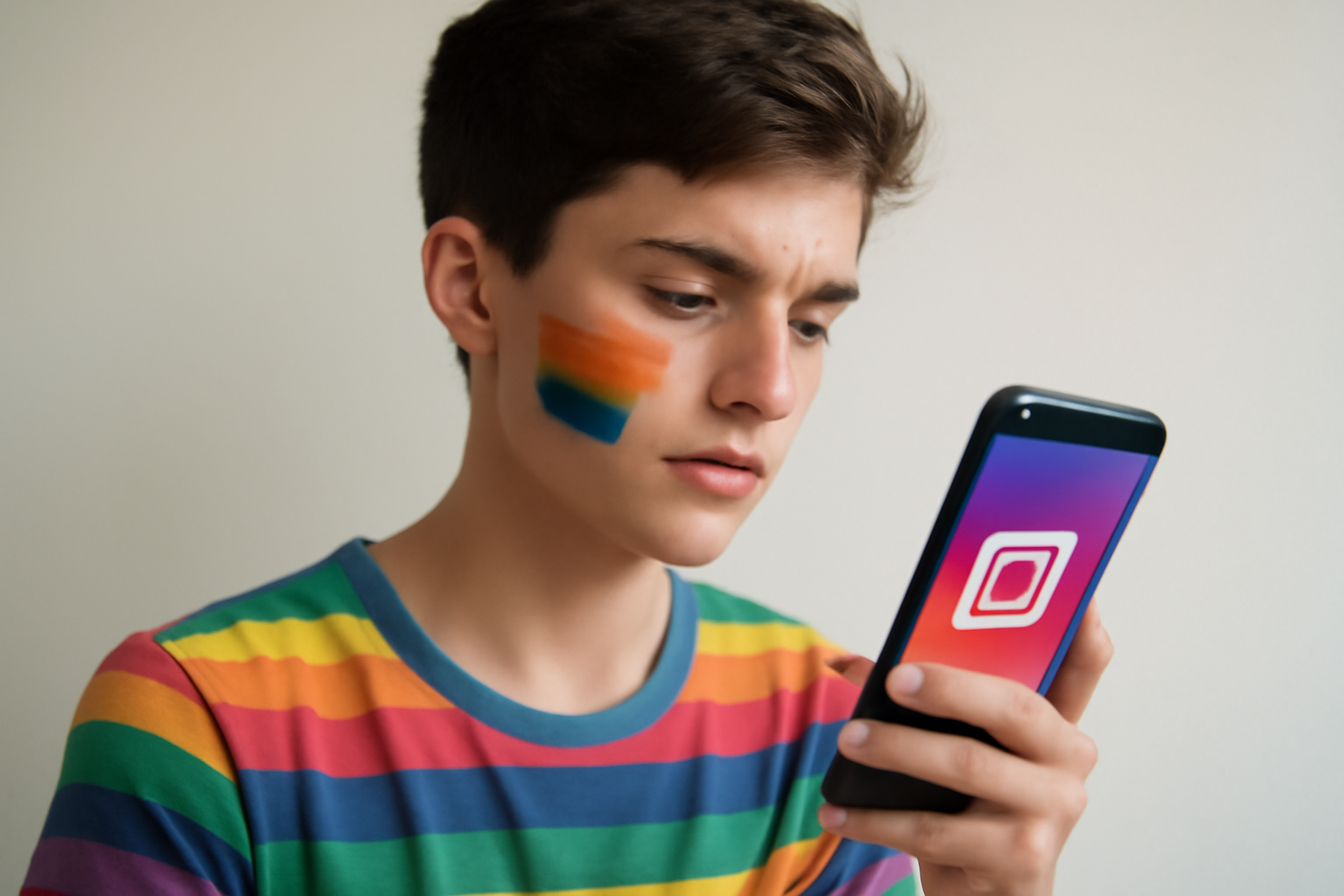
The digital landscape plays a significant role in shaping the lives of young people today, and platforms like Instagram are at the forefront of this transformation. As a major social media platform, Instagram hosts a vast array of content, connecting individuals across the globe and fostering diverse communities. However, a recent revelation regarding content restrictions has sparked concern, particularly within the LGBTQ+ community.
Content Restriction and Its Implications
Recently, it has come to light that certain content restrictions on Instagram have prevented teenagers from accessing LGBTQ+ content. This development has raised questions about how content regulation affects marginalized communities, particularly young people who are exploring their identities and seeking supportive spaces online.
The algorithms that drive content visibility on Instagram are designed to create a safe environment by filtering out content deemed inappropriate for younger audiences. However, these algorithms can inadvertently limit access to crucial information and community support for LGBTQ+ teens. This unintended consequence highlights the importance of inclusive digital policies that recognize the diverse needs of young people.
The Role of Social Media in Identity Exploration
For many teenagers, social media platforms serve as vital resources for exploring their identities and connecting with others who share similar experiences. LGBTQ+ youth, in particular, often turn to these platforms to find communities that affirm their identities and provide understanding and support. Restricted access to such content can hinder this exploration and leave young people feeling isolated and unsupported.
Social media's role in facilitating identity exploration underscores the need for platforms to consider the unique challenges faced by LGBTQ+ youth. By limiting access to LGBTQ+ content, Instagram risks depriving young people of essential resources that contribute to their sense of belonging and personal growth.
Challenges of Content Moderation
The challenge of moderating content on a global platform like Instagram is immense. While content regulation aims to protect younger users from harmful material, it must also balance the need for open access to supportive and educational content. For LGBTQ+ youth, access to affirming content can be a lifeline, offering validation and a sense of community.
Content moderation policies that are too broad or not adequately nuanced can inadvertently reinforce exclusion and discrimination. It is crucial for platforms to engage with LGBTQ+ advocacy groups and community members to develop guidelines that are sensitive to the needs of marginalized groups.
The Importance of Inclusive Policies
In addressing these concerns, social media companies must prioritize creating an inclusive digital environment that recognizes the diverse experiences of all users. This includes implementing policies that allow for the safe and open expression of LGBTQ+ identities while protecting users from genuinely harmful content.
Inclusive policies not only benefit LGBTQ+ youth but also contribute to a richer and more diverse online community for everyone. By fostering an environment where all individuals feel seen and heard, platforms like Instagram can support positive social change and personal development.
Looking Ahead: Towards a More Inclusive Digital Space
As the conversation around digital inclusivity continues to evolve, it is imperative for social media platforms to embrace a more holistic approach to content regulation. This involves consulting with LGBTQ+ communities and experts to ensure that content policies are both protective and inclusive.
Ultimately, the goal should be to create an online space where all users, regardless of age or identity, can access the resources and communities they need. By addressing the current limitations in content accessibility, platforms like Instagram can help empower LGBTQ+ youth and support their journey of self-discovery.
In conclusion, while content restrictions are necessary for protecting younger users, they must be carefully crafted to avoid marginalizing important communities. By fostering inclusive and thoughtful policies, social media can become a powerful tool for connection, support, and empowerment for all users.
Related Posts
Supreme Court to Address State Bans on Trans Women in Female Sports
The upcoming U.S. Supreme Court term promises to be a pivotal moment for transgender rights, as the nation's highest court has agreed to evaluate whether states have the authority to prohibit transgender women from participating in female sports competitions. This case, scheduled to be argued in the next term beginning October, is expected to have a significant impact on the future of sports inclu [...]
Megan Rapinoe and Sue Bird Announce Amicable Separation After Ten Years Together
In a heartfelt announcement that resonated deeply within the sports and LGBTQ+ communities, soccer star Megan Rapinoe and basketball legend Sue Bird have revealed their decision to part ways after nearly a decade together. The couple, who have been icons both on and off the field, shared the news with their fans through a joint statement on social media, expressing that the choice was made with mu [...]
Groundbreaking Ruling Ends Sodomy Ban for Police and Military in the Dominican Republic
The Constitutional Court of the Dominican Republic recently delivered a landmark decision on November 18th, ruling that the nation’s police and armed forces are not permitted to criminalize consensual same-sex relations among their personnel. This pivotal ruling is a significant stride towards equality and the protection of LGBTQ+ rights within these institutions. A Resounding Victory for Equal [...]