
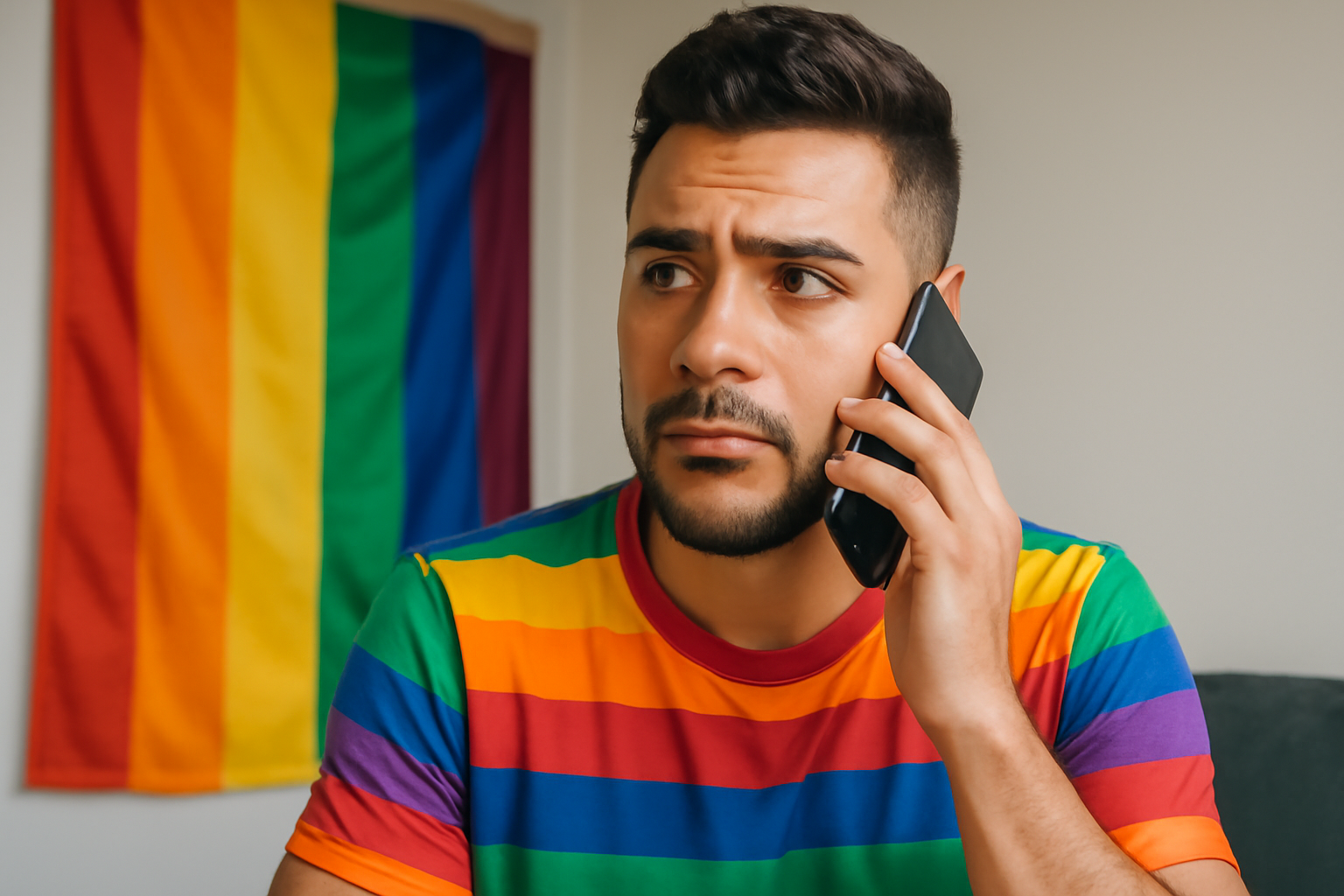
The inauguration of a new political leader often brings about a wave of changes that can affect many communities in various ways. For the LGBTQ+ community, political shifts can introduce both challenges and opportunities, with the former often having a profound impact on mental health and well-being. Recent reports indicate a significant rise in the number of calls to LGBTQ+ mental health crisis centers, as community members seek support and assistance in navigating these uncertain times.
Understanding the Rise in Mental Health Support Calls
Since the recent political transition, LGBTQ+ mental health crisis centers have reported a noticeable increase in the volume of calls. This surge highlights a growing need for mental health support among LGBTQ+ individuals, who may feel particularly vulnerable amidst changing political landscapes. The political climate can directly influence the mental health of LGBTQ+ individuals, especially when policy changes or political rhetoric threaten their rights and sense of security.
The fear of losing hard-won rights and protections can lead to heightened anxiety and stress. Many individuals are concerned about potential rollbacks on policies that safeguard their freedoms, such as marriage equality, anti-discrimination laws, and healthcare protections. These fears are not unfounded, as history has shown how quickly political tides can change, affecting real lives and livelihoods.
The Role of LGBTQ+ Crisis Centers
Crisis centers play a crucial role in providing immediate support and resources for those in distress. For many LGBTQ+ individuals, these centers offer a lifeline, especially when they feel isolated or marginalized. The counselors and volunteers are trained to understand the unique challenges faced by the community, and they provide a safe space for individuals to express their concerns and fears without judgment.
With the increase in call volumes, crisis centers are working diligently to ensure that each caller receives compassionate and effective support. This often involves offering a listening ear, providing practical advice, and connecting individuals with long-term mental health services if needed. Many centers have also adapted to offer online chat services and text support to make their resources more accessible, especially for those who may not feel comfortable speaking over the phone.
Community Resilience and Support Networks
While the current political environment may pose challenges, it has also galvanized the LGBTQ+ community to come together in solidarity. Activism and advocacy have become more visible, with community leaders and allies working tirelessly to protect and advance LGBTQ+ rights. This collective resilience is an essential source of strength for those who might otherwise feel alone in their struggles.
Support networks, both online and offline, provide spaces for LGBTQ+ individuals to connect, share their experiences, and find empowerment. Social media platforms and forums have become vital tools for building community and disseminating information, allowing people to organize, advocate, and support one another across distances. These networks offer reassurance that individuals are not alone, and that there are others who understand and are fighting alongside them.
Moving Forward: Hope and Action
Despite the challenges presented by recent political changes, there is hope and a path forward for the LGBTQ+ community. Increasing visibility, raising awareness, and fostering inclusive dialogue are key to ensuring that LGBTQ+ voices are heard and respected. Engaging in local and national advocacy efforts can help protect existing rights and push for further progress.
Additionally, supporting mental health initiatives and crisis centers is vital. Donations, volunteering, and spreading awareness can strengthen these essential services, ensuring they remain available to those in need. By working together, the community can continue to support each other through difficult times and build a more inclusive and understanding society.
In conclusion, the surge in calls to LGBTQ+ mental health crisis centers underscores the importance of providing comprehensive support to this community, particularly during times of political uncertainty. Through solidarity, resilience, and continued advocacy, the LGBTQ+ community can navigate these challenges and emerge stronger.
Related Posts
Supreme Court to Address State Bans on Trans Women in Female Sports
The upcoming U.S. Supreme Court term promises to be a pivotal moment for transgender rights, as the nation's highest court has agreed to evaluate whether states have the authority to prohibit transgender women from participating in female sports competitions. This case, scheduled to be argued in the next term beginning October, is expected to have a significant impact on the future of sports inclu [...]
Megan Rapinoe and Sue Bird Announce Amicable Separation After Ten Years Together
In a heartfelt announcement that resonated deeply within the sports and LGBTQ+ communities, soccer star Megan Rapinoe and basketball legend Sue Bird have revealed their decision to part ways after nearly a decade together. The couple, who have been icons both on and off the field, shared the news with their fans through a joint statement on social media, expressing that the choice was made with mu [...]
Groundbreaking Ruling Ends Sodomy Ban for Police and Military in the Dominican Republic
The Constitutional Court of the Dominican Republic recently delivered a landmark decision on November 18th, ruling that the nation’s police and armed forces are not permitted to criminalize consensual same-sex relations among their personnel. This pivotal ruling is a significant stride towards equality and the protection of LGBTQ+ rights within these institutions. A Resounding Victory for Equal [...]