
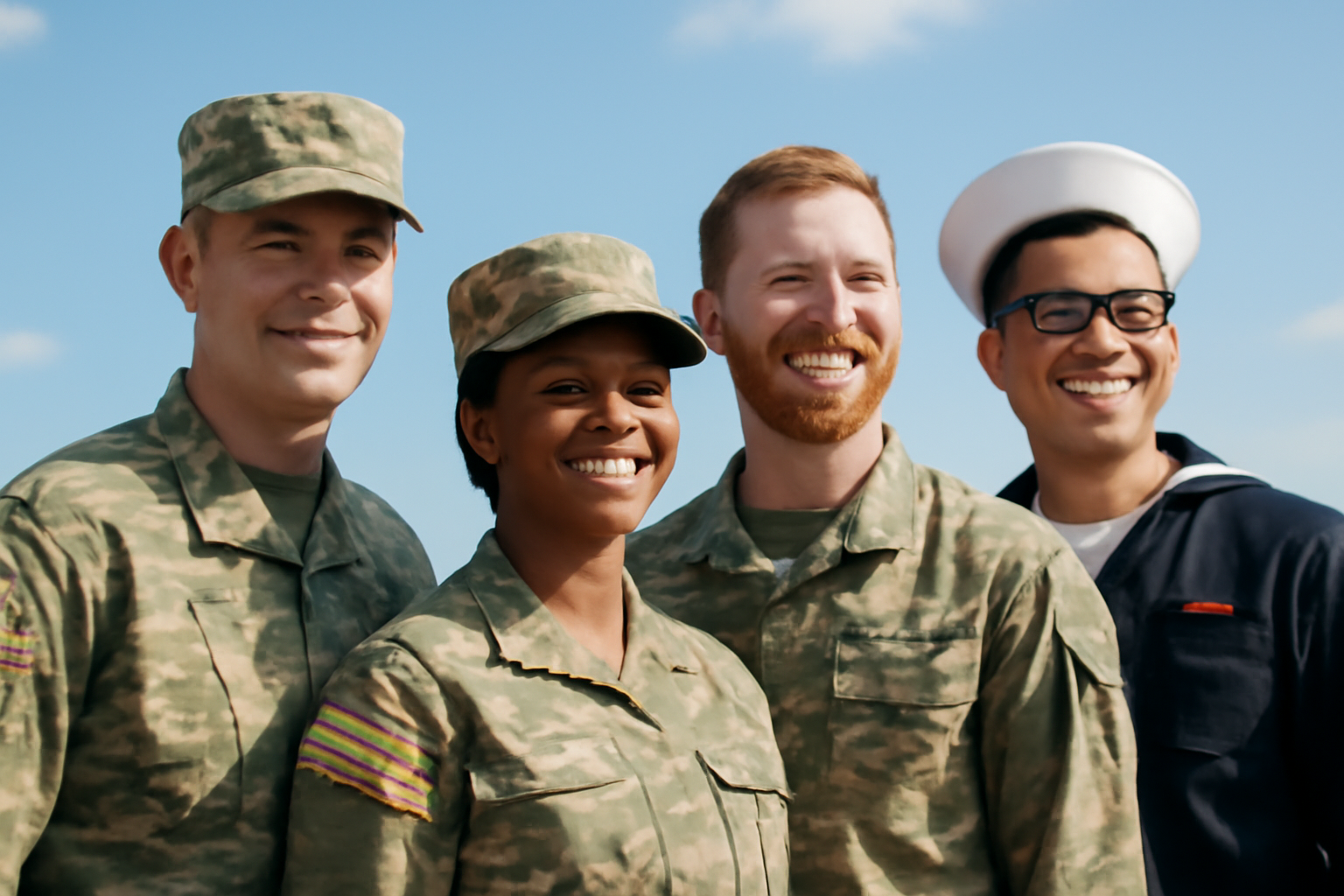
The armed forces have long been a symbol of strength and unity, a place where individuals from diverse backgrounds come together with a shared mission: to serve and protect their nation. Yet, recent discussions have raised concerns about the trajectory of inclusivity within these institutions. The vision proposed by certain political figures, including Pete Hegseth and former President Donald Trump, seems to lean towards an exclusionary future that could undermine the very essence of what the military stands for.
The Importance of Diversity
Diversity within the military is not just a matter of social justice; it is a strategic advantage. A force that draws from the wide array of talents, perspectives, and skills found across different segments of society is more adaptable and capable. Embracing diversity means acknowledging that every individual, regardless of their sexual orientation, gender identity, race, or background, brings something unique to the table.
In recent years, significant strides have been made to ensure that LGBTQ+ individuals can serve openly and proudly. Policies have evolved to reflect a commitment to equality and acceptance, allowing members of the LGBTQ+ community to contribute without fear of discrimination or exclusion. However, the push towards exclusionary policies threatens to roll back these advancements, creating an environment where talented and capable individuals may find themselves unwelcome or unable to serve.
The Impact of Exclusionary Policies
An exclusionary approach not only limits the pool of potential recruits but also affects morale and cohesion within the ranks. When individuals are forced to hide aspects of their identity, it hampers their ability to perform at their best. It creates divisions and fosters an atmosphere of mistrust and fear, which are antithetical to the values of unity and teamwork that are essential in the military.
The rhetoric surrounding exclusion often hinges on arguments of "unit cohesion" and "combat readiness," yet these claims are frequently unsupported by evidence. Studies have consistently shown that inclusive policies do not negatively impact military effectiveness. On the contrary, when service members feel accepted and valued, their performance and commitment improve.
A Call to Action
As members and allies of the LGBTQ+ community, it is imperative that we advocate for policies that uphold the principles of equality and justice within the military. This means actively resisting any attempts to implement discriminatory practices and supporting legislation that protects the rights of all service members.
Engagement with policymakers, participation in public discourse, and raising awareness about the benefits of inclusivity are crucial steps in this effort. By amplifying the voices of those who have been marginalized, we can work towards a more inclusive and representative military that truly reflects the diversity of the society it serves.
Moreover, it is vital to support organizations and initiatives that provide resources and aid to LGBTQ+ service members. These groups play a critical role in offering guidance, advocacy, and a sense of community to those who might otherwise feel isolated.
Looking Ahead
The future of the military depends on its ability to adapt and evolve in a rapidly changing world. By embracing diversity and fostering an environment of acceptance, the armed forces can ensure that they remain not only effective but also just and fair. The path forward requires courage, empathy, and a steadfast commitment to the principles of equality and inclusion.
In conclusion, the military must remain a beacon of hope and opportunity for all individuals, regardless of who they are or whom they love. As we continue to fight for inclusivity, we uphold the ideals of freedom and justice that are the cornerstone of our society. Together, we can build a future where everyone has the chance to serve proudly and authentically.
Related Posts
Supreme Court to Address State Bans on Trans Women in Female Sports
The upcoming U.S. Supreme Court term promises to be a pivotal moment for transgender rights, as the nation's highest court has agreed to evaluate whether states have the authority to prohibit transgender women from participating in female sports competitions. This case, scheduled to be argued in the next term beginning October, is expected to have a significant impact on the future of sports inclu [...]
Megan Rapinoe and Sue Bird Announce Amicable Separation After Ten Years Together
In a heartfelt announcement that resonated deeply within the sports and LGBTQ+ communities, soccer star Megan Rapinoe and basketball legend Sue Bird have revealed their decision to part ways after nearly a decade together. The couple, who have been icons both on and off the field, shared the news with their fans through a joint statement on social media, expressing that the choice was made with mu [...]
Groundbreaking Ruling Ends Sodomy Ban for Police and Military in the Dominican Republic
The Constitutional Court of the Dominican Republic recently delivered a landmark decision on November 18th, ruling that the nation’s police and armed forces are not permitted to criminalize consensual same-sex relations among their personnel. This pivotal ruling is a significant stride towards equality and the protection of LGBTQ+ rights within these institutions. A Resounding Victory for Equal [...]