
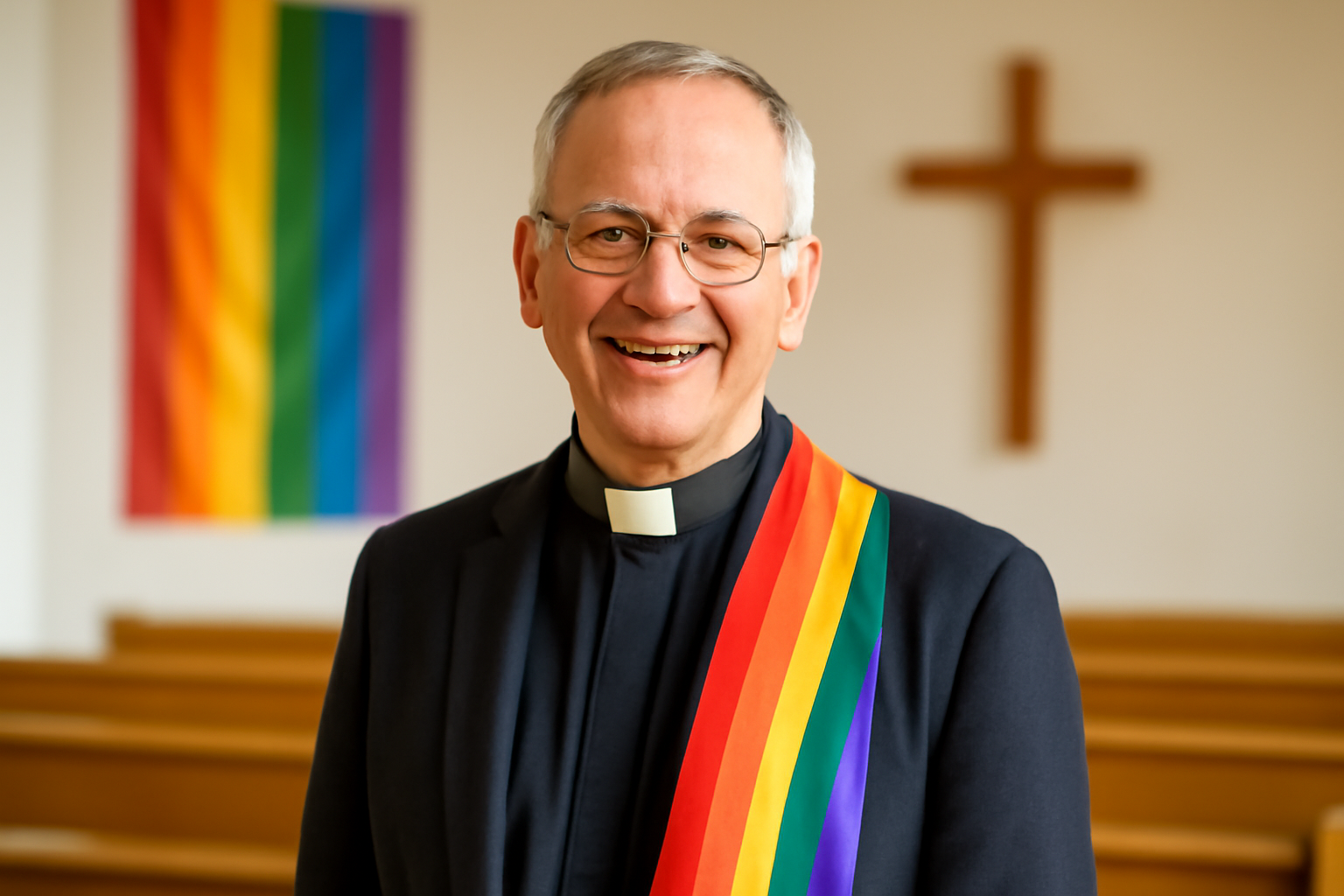
The evolving landscape of religious communities' approach to LGBTQ+ inclusion offers a complex yet promising outlook for the future.
While many faith traditions are grappling with how to integrate LGBTQ+ members into their congregations, recent developments indicate a cautious yet significant shift within certain sectors.
Opportunities for LGBTQ+ Clergy
In recent years, there has been a growing recognition of the need for inclusive practices that embrace LGBTQ+ individuals in religious leadership roles. This is particularly pertinent in contexts where LGBTQ+ clergy have historically faced barriers to acceptance and advancement within religious institutions. As more communities and religious organizations seek to reconcile with contemporary understandings of sexuality and gender, opportunities are gradually emerging for LGBTQ+ individuals to engage in spiritual vocations without the fear of discrimination.
However, the path to inclusivity is fraught with challenges, especially in institutions where traditional doctrines have long dictated the terms of engagement. For instance, while some religious organizations are taking steps towards inclusivity by welcoming gay clergy, they often impose certain conditions that reflect broader cultural tensions and ideological conservatisms. Nevertheless, these developments represent a critical step towards establishing a more equitable and just environment for all members of the faith community.
Navigating Identity and Faith
One of the central challenges facing LGBTQ+ clergy is the negotiation between personal identity and religious expectations. Many faith leaders advocate for a balance that respects individual identity while adhering to the tenets of their faith. This balance is not easily achieved, as it requires ongoing dialogue and a willingness to engage with diverse perspectives within the religious community.
For LGBTQ+ individuals entering the clergy, the journey involves navigating personal belief systems alongside institutional requirements. The integration of LGBTQ+ individuals into clergy roles not only enriches religious communities by bringing a wider array of experiences and perspectives but also challenges existing paradigms that have often excluded marginalized voices.
Steps Toward Greater Inclusivity
Efforts to create more inclusive spaces for LGBTQ+ clergy are gaining momentum. Religious organizations that prioritize inclusivity often engage in intentional practices such as revisiting doctrinal interpretations, providing educational resources, and facilitating open conversations among their members. These practices are essential in fostering an environment where all members, regardless of sexual orientation or gender identity, feel valued and respected.
Organizations dedicated to promoting inclusivity often emphasize the importance of active listening and community engagement in their approach. By embracing a more inclusive framework, religious institutions can model the principles of compassion and acceptance that are central to many faith traditions.
The Road Ahead
While the journey toward full inclusion of LGBTQ+ individuals in religious leadership is ongoing, there is reason for optimism. As more communities engage in conversations about diversity and inclusion, the potential for transformative change becomes increasingly apparent.
The commitment to fostering an inclusive environment not only benefits LGBTQ+ clergy but also strengthens the broader community by promoting a culture of understanding and empathy.
In conclusion, the movement towards greater inclusivity within religious institutions is indicative of a broader societal shift towards recognizing and valuing diversity. By supporting LGBTQ+ clergy and creating spaces for their voices to be heard, religious communities can play a pivotal role in shaping a more inclusive and equitable world.
The path forward requires ongoing commitment and collaboration among all members of the faith community. As these efforts continue to grow, there is hope that religious institutions will increasingly become places where all individuals, regardless of their identity, can contribute to the spiritual and communal life of their community.
Related Posts
Supreme Court to Address State Bans on Trans Women in Female Sports
The upcoming U.S. Supreme Court term promises to be a pivotal moment for transgender rights, as the nation's highest court has agreed to evaluate whether states have the authority to prohibit transgender women from participating in female sports competitions. This case, scheduled to be argued in the next term beginning October, is expected to have a significant impact on the future of sports inclu [...]
Megan Rapinoe and Sue Bird Announce Amicable Separation After Ten Years Together
In a heartfelt announcement that resonated deeply within the sports and LGBTQ+ communities, soccer star Megan Rapinoe and basketball legend Sue Bird have revealed their decision to part ways after nearly a decade together. The couple, who have been icons both on and off the field, shared the news with their fans through a joint statement on social media, expressing that the choice was made with mu [...]
Groundbreaking Ruling Ends Sodomy Ban for Police and Military in the Dominican Republic
The Constitutional Court of the Dominican Republic recently delivered a landmark decision on November 18th, ruling that the nation’s police and armed forces are not permitted to criminalize consensual same-sex relations among their personnel. This pivotal ruling is a significant stride towards equality and the protection of LGBTQ+ rights within these institutions. A Resounding Victory for Equal [...]