
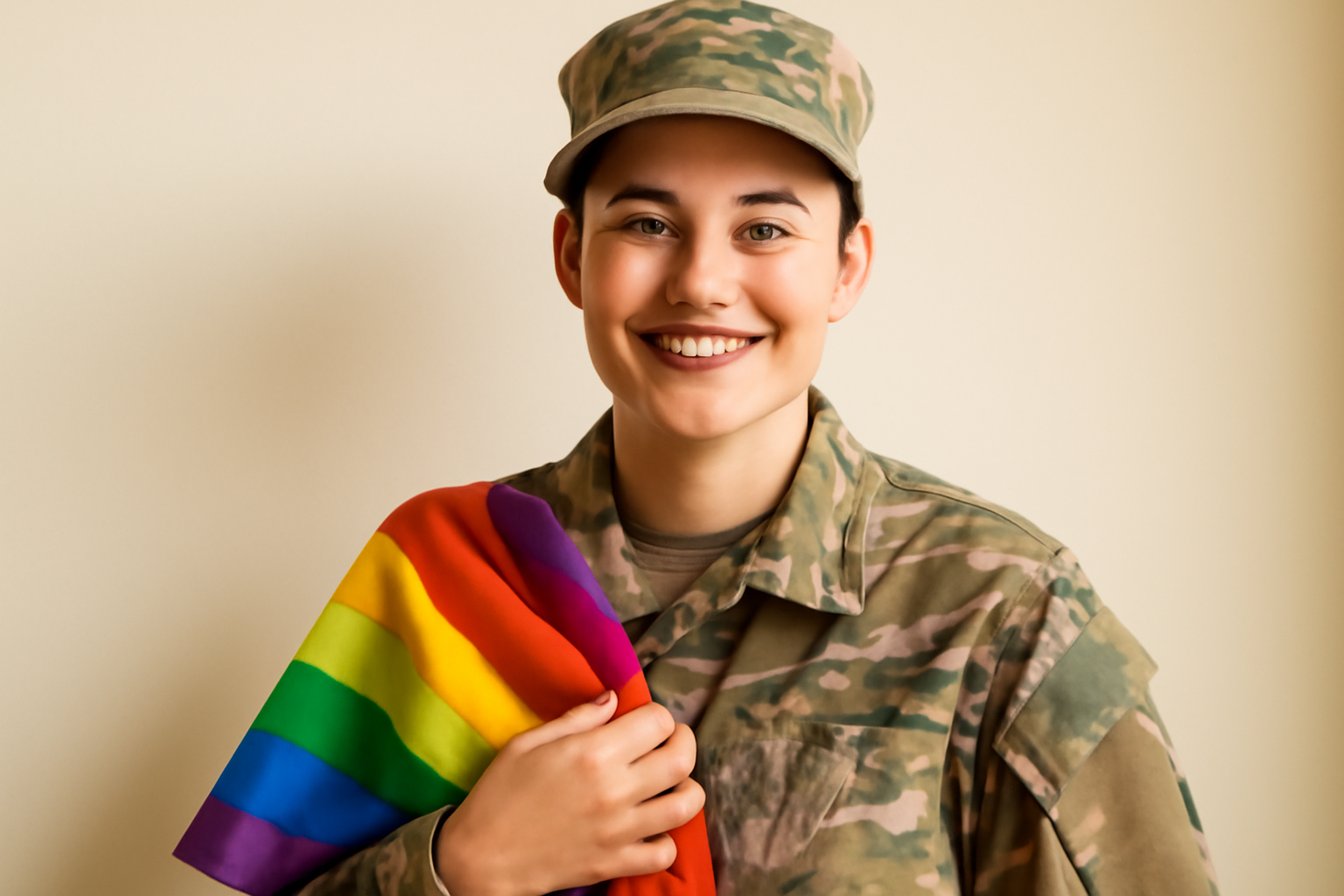
Inclusive Military Culture: A Vision for Change
The conversation around inclusion and diversity within the military has been ongoing, with various leaders and voices advocating for different paths forward. In recent years, the debate has intensified, particularly concerning the role and representation of LGBTQ+ individuals within the armed forces. This article explores the importance of creating an inclusive military environment and the benefits it brings not only to LGBTQ+ service members but to the military as a whole.
The military is often seen as a reflection of society, and as such, it should embody the values of equality and inclusivity. Historically, however, many marginalized groups, including LGBTQ+ individuals, have faced significant challenges in serving openly and with dignity. Policies such as "Don't Ask, Don't Tell" once barred service members from disclosing their sexual orientation, forcing many to serve in silence. Although this policy was repealed in 2011, the journey towards full acceptance and equality is far from over.
Creating an inclusive military is not just a matter of fairness—it also enhances operational effectiveness. Diverse teams bring a range of perspectives and problem-solving approaches, which are invaluable in complex and high-pressure situations. Inclusion fosters a sense of belonging and morale, leading to greater commitment and performance from all service members.
Research has consistently shown that when people can be themselves without fear of discrimination, their productivity and overall well-being improve. This principle is no different in the military context. LGBTQ+ service members who feel accepted and valued are more likely to contribute fully to their units, thereby enhancing the overall effectiveness of the military.
Despite the progress made, challenges remain. Recent discussions have highlighted tensions between traditional views and progressive policies aimed at fostering inclusivity. Some voices argue for a return to exclusionary practices, citing concerns over unit cohesion and traditional military values. However, these arguments often overlook the evidence supporting diversity as a strength rather than a weakness.
It is crucial for military leaders to actively champion diversity and inclusion. This involves more than just implementing policies—it requires a cultural shift that embraces all individuals, regardless of their background. Training and education programs can help to address biases and promote understanding across all ranks.
Moreover, visibility matters. Having openly LGBTQ+ individuals in leadership roles sends a powerful message about acceptance and progress. It shows younger service members that they can aspire to reach the highest ranks without hiding who they are.
The military's commitment to inclusion should also extend to supporting families of LGBTQ+ personnel. Recognizing diverse family structures and providing equal benefits and support is essential to creating a truly inclusive environment.
Internationally, many allied nations have successfully integrated LGBTQ+ individuals into their armed forces, demonstrating that inclusive policies strengthen rather than weaken military capabilities. Lessons can be drawn from these examples to further enhance the inclusivity of our own forces.
In conclusion, moving towards a more inclusive military is not just a moral imperative but a strategic one. By embracing diversity, the military can attract and retain the best talent, improve unit cohesion, and enhance overall effectiveness. It is time to look forward, building a military that truly reflects and respects the diverse society it serves.
The journey towards an inclusive military culture is ongoing, and it requires the commitment of everyone involved—from senior leaders to new recruits. By working together, we can create an environment where all service members are valued, respected, and able to serve with pride.
Related Posts
Supreme Court to Address State Bans on Trans Women in Female Sports
The upcoming U.S. Supreme Court term promises to be a pivotal moment for transgender rights, as the nation's highest court has agreed to evaluate whether states have the authority to prohibit transgender women from participating in female sports competitions. This case, scheduled to be argued in the next term beginning October, is expected to have a significant impact on the future of sports inclu [...]
Megan Rapinoe and Sue Bird Announce Amicable Separation After Ten Years Together
In a heartfelt announcement that resonated deeply within the sports and LGBTQ+ communities, soccer star Megan Rapinoe and basketball legend Sue Bird have revealed their decision to part ways after nearly a decade together. The couple, who have been icons both on and off the field, shared the news with their fans through a joint statement on social media, expressing that the choice was made with mu [...]
Groundbreaking Ruling Ends Sodomy Ban for Police and Military in the Dominican Republic
The Constitutional Court of the Dominican Republic recently delivered a landmark decision on November 18th, ruling that the nation’s police and armed forces are not permitted to criminalize consensual same-sex relations among their personnel. This pivotal ruling is a significant stride towards equality and the protection of LGBTQ+ rights within these institutions. A Resounding Victory for Equal [...]