
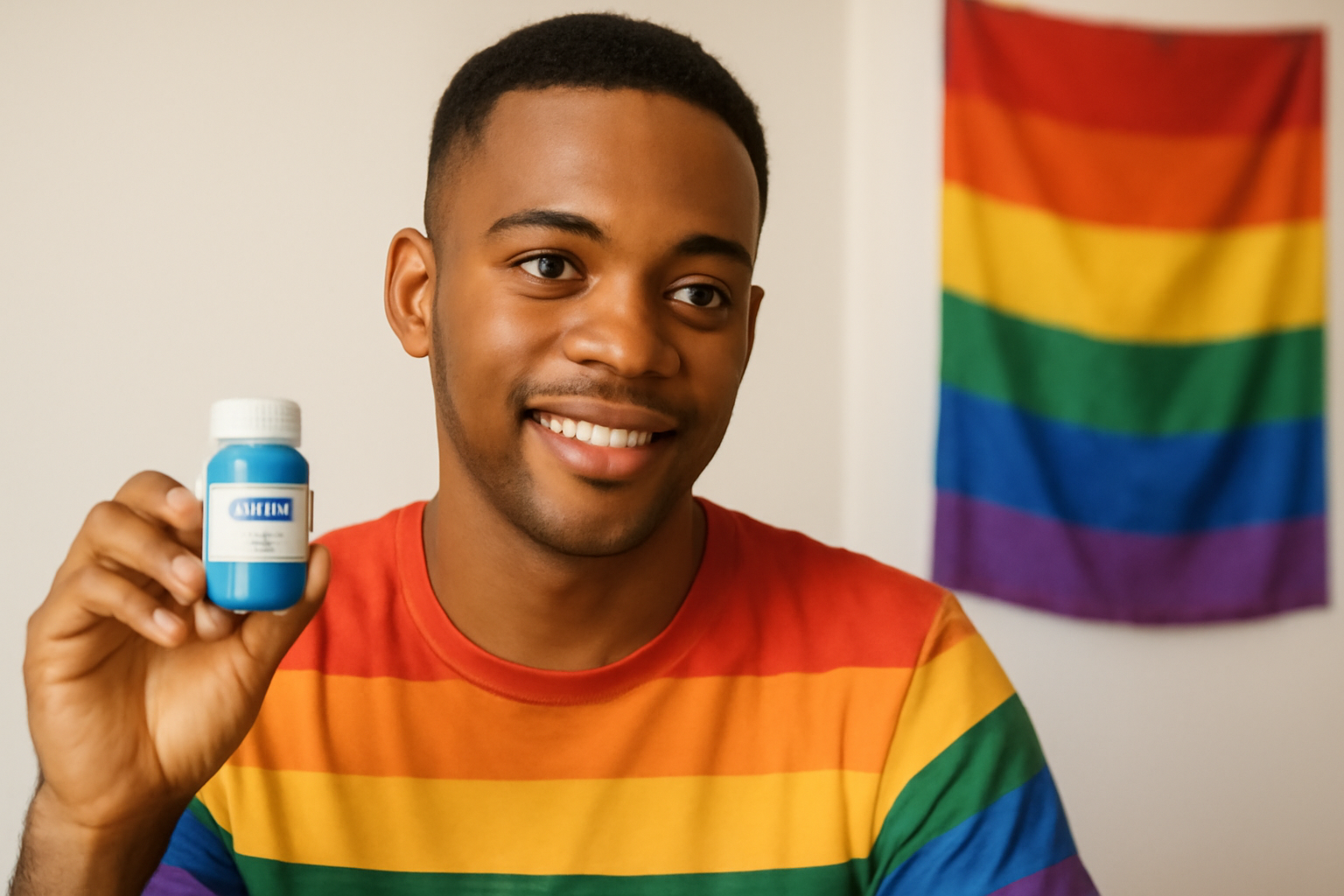
In recent developments, access to essential HIV prevention medications for vulnerable LGBTQ+ communities around the world has been severely impacted by policy changes implemented by the U.S. administration. These changes have significant implications for global public health efforts aimed at reducing HIV transmission rates, particularly within marginalized groups who are already at a higher risk.
Background on HIV Prevention Efforts
For decades, the global fight against HIV/AIDS has included the dissemination of prevention medications known as pre-exposure prophylaxis (PrEP). PrEP is a highly effective method that reduces the risk of HIV infection in individuals who are HIV-negative but at high risk of contracting the virus. The World Health Organization and other international health bodies have endorsed its use, especially among key populations such as men who have sex with men, transgender individuals, and sex workers.
Ensuring widespread access to PrEP has been a cornerstone of many countries' HIV prevention strategies, supported by various international funding sources. The U.S. has historically been a major contributor to global HIV prevention and treatment efforts through initiatives like PEPFAR (the President’s Emergency Plan for AIDS Relief).
Policy Changes and Their Impact
However, recent policy shifts have resulted in reduced funding and logistical support for these programs. The reallocation of funds and restructuring of aid priorities have led to a decrease in the availability of PrEP, especially in low-income countries that heavily rely on international assistance to maintain their public health programs.
These changes have sparked concern among healthcare providers and advocacy groups who fear that the progress made in preventing HIV transmission could be undone. Vulnerable populations, particularly within LGBTQ+ communities, are at risk of losing access to these life-saving medications, which could lead to an increase in HIV incidence.
Voices from the Ground
Healthcare practitioners and activists on the ground have voiced their alarm over these developments. Dr. Sarah Johnson, a physician working with an NGO in sub-Saharan Africa, explained, "We have seen firsthand how effective PrEP can be in preventing new HIV cases. Our patients rely on it not just for protection, but for peace of mind. The reduction in available resources is deeply concerning."
Similarly, activists within the LGBTQ+ community have highlighted the disproportionate impact of these changes. Many argue that these policy shifts further marginalize groups that are already vulnerable to healthcare disparities.
Lucas Tran, an advocate for LGBTQ+ rights, stated, "The decision to cut back on funding for HIV prevention programs is a step backwards in the fight against HIV/AIDS. It sends a message that the health and rights of LGBTQ+ individuals are not a priority."
Calls to Action
In response to these changes, many international organizations and advocacy groups are calling for renewed commitments to ensure that lifesaving medications remain accessible. They emphasize the importance of international cooperation and sustained funding to continue progress in global health initiatives.
Experts are urging governments and private sectors to step up and fill the gaps left by the reduction in U.S. support. The emphasis is on maintaining the availability and affordability of PrEP, as well as other prevention and treatment options.
The importance of inclusive policies that prioritize the needs of marginalized populations cannot be understated. There is a pressing need for collaborative efforts that address the specific challenges faced by LGBTQ+ communities worldwide.
Conclusion
As the global community continues to grapple with these challenges, it is crucial to remember the fundamental goal of reducing HIV transmission and supporting the health and well-being of all individuals, regardless of their sexual orientation or gender identity. In the face of policy changes, advocacy and action at both local and international levels remain vital to safeguarding the progress made in the fight against HIV/AIDS.
Related Posts
Supreme Court to Address State Bans on Trans Women in Female Sports
The upcoming U.S. Supreme Court term promises to be a pivotal moment for transgender rights, as the nation's highest court has agreed to evaluate whether states have the authority to prohibit transgender women from participating in female sports competitions. This case, scheduled to be argued in the next term beginning October, is expected to have a significant impact on the future of sports inclu [...]
Megan Rapinoe and Sue Bird Announce Amicable Separation After Ten Years Together
In a heartfelt announcement that resonated deeply within the sports and LGBTQ+ communities, soccer star Megan Rapinoe and basketball legend Sue Bird have revealed their decision to part ways after nearly a decade together. The couple, who have been icons both on and off the field, shared the news with their fans through a joint statement on social media, expressing that the choice was made with mu [...]
Groundbreaking Ruling Ends Sodomy Ban for Police and Military in the Dominican Republic
The Constitutional Court of the Dominican Republic recently delivered a landmark decision on November 18th, ruling that the nation’s police and armed forces are not permitted to criminalize consensual same-sex relations among their personnel. This pivotal ruling is a significant stride towards equality and the protection of LGBTQ+ rights within these institutions. A Resounding Victory for Equal [...]