
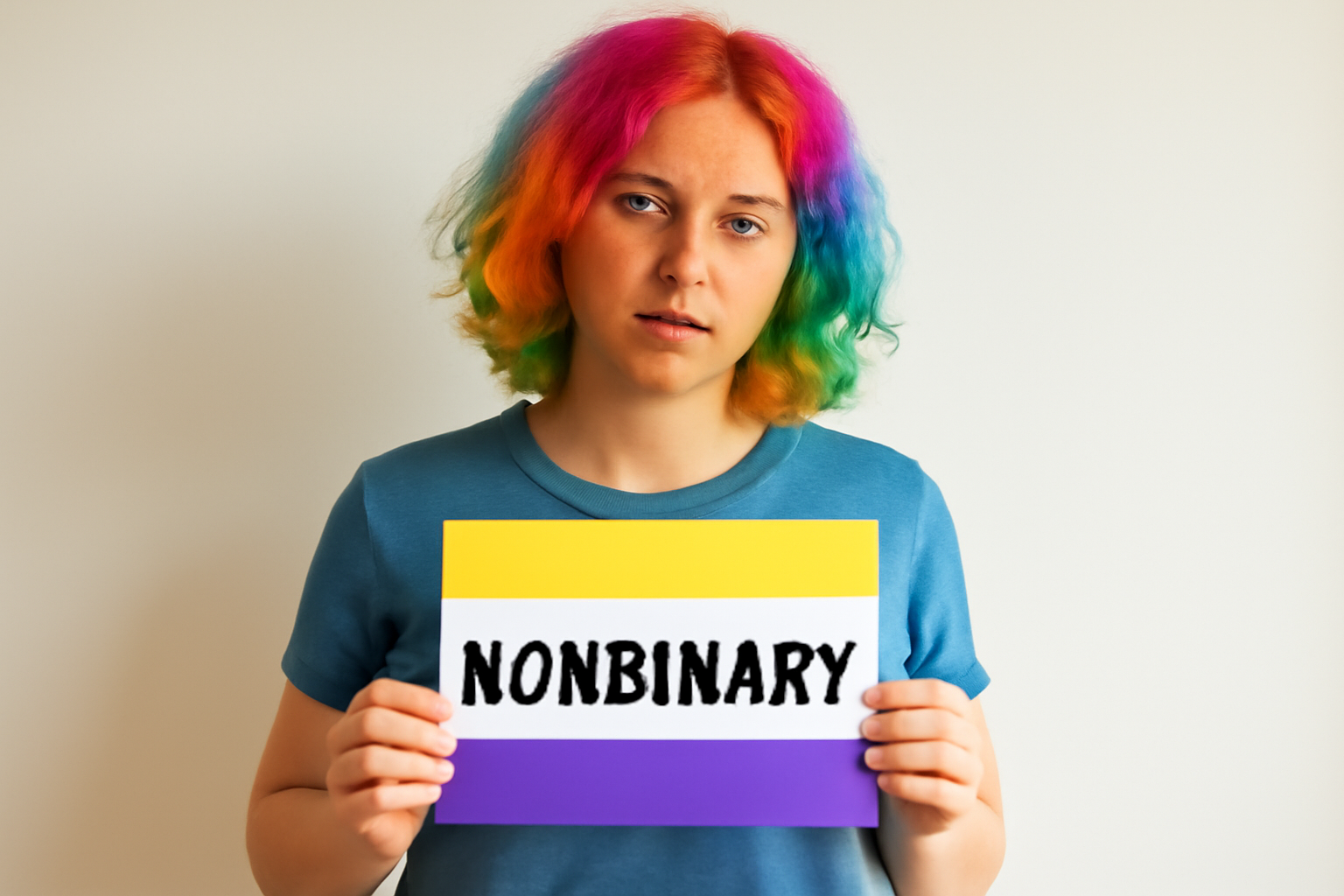
The recent executive order proposed by former President Trump, which seeks to reinforce the concept of only recognizing two genders, has sparked a significant amount of controversy and concern across the United States. According to a recent study, this policy could potentially harm millions of Americans, particularly those who do not fit into the traditional binary gender categories. In this article, we will explore the potential ramifications of this order, the key findings of the study, and the broader implications for the LGBTQ+ community.
Understanding the Executive Order
The executive order in question aims to reinforce federal documents and policies to recognize only two genders: male and female. This approach is a stark departure from more inclusive policies that have been enacted in recent years, which recognized non-binary and genderqueer identities. The order stipulates that gender should be determined based on biological sex at birth, a move that many critics argue is regressive and dismissive of the complexities of gender identity.
Advocates for the LGBTQ+ community are concerned that this policy could lead to a rollback of rights and protections that have been extended to transgender and non-binary individuals. By enforcing a strict binary gender recognition, the executive order could limit access to healthcare, education, and employment opportunities for those who do not conform to traditional gender norms.
Key Findings of the Study
The study, conducted by a coalition of human rights organizations, highlights several key areas where the executive order could have a detrimental impact. Firstly, it suggests that healthcare services could become less accessible for transgender and non-binary individuals. Many healthcare providers use gender as a criterion for access to certain medical treatments and insurance coverage. By limiting gender recognition to the binary construct, individuals who identify outside of these categories may face increased barriers when seeking medical care.
Furthermore, the study points out the potential for increased discrimination in the workplace. Employers who adhere strictly to binary gender norms may be less likely to hire or promote employees who do not conform to these standards, further marginalizing an already vulnerable population.
Broader Implications for Society
The executive order's impact extends beyond immediate practical concerns and touches upon deeper societal issues regarding acceptance and inclusion. Gender identity is a deeply personal aspect of an individual's life, and forcing people to adhere to a rigid classification system can cause psychological harm and distress.
Many individuals who identify as transgender or non-binary find empowerment and validation through the use of appropriate names and pronouns. The refusal to recognize these identities not only invalidates their experiences but can also lead to increased mental health challenges, such as depression and anxiety.
Additionally, the policy has implications for younger generations who are in the process of exploring and understanding their own identities. Educational institutions may feel pressured to conform to federal standards, potentially stifling discussions and education around gender diversity. This could hinder the development of inclusive environments where all students feel valued and understood.
On a broader scale, the executive order could set a precedent that influences state and local policies, leading to a patchwork of rights and protections that vary widely across the country. This inconsistency can make it difficult for individuals to navigate their rights and protections depending on where they live or travel.
Moving Forward
In response to the executive order, numerous advocacy groups are mobilizing to challenge the policy in court, arguing that it violates the civil rights of transgender and non-binary individuals. Legal experts suggest that the order may face significant challenges, particularly given past court rulings that have upheld protections for gender identity under anti-discrimination laws.
Community organizations are also stepping up efforts to support those affected by the policy, offering resources and safe spaces for individuals to share their experiences and seek assistance. Grassroots movements continue to educate the public and promote acceptance and understanding of diverse gender identities.
As the situation unfolds, it remains crucial for allies and advocates to stand in solidarity with the LGBTQ+ community. By amplifying voices and raising awareness, we can work towards a more inclusive society that respects and celebrates the diverse spectrum of human identities.
While the executive order represents a significant challenge, it also serves as a reminder of the ongoing struggle for equality and recognition. Through continued advocacy and education, there is hope for a future where all individuals are free to express their authentic selves without fear of discrimination or prejudice.
Related Posts
Supreme Court to Address State Bans on Trans Women in Female Sports
The upcoming U.S. Supreme Court term promises to be a pivotal moment for transgender rights, as the nation's highest court has agreed to evaluate whether states have the authority to prohibit transgender women from participating in female sports competitions. This case, scheduled to be argued in the next term beginning October, is expected to have a significant impact on the future of sports inclu [...]
Megan Rapinoe and Sue Bird Announce Amicable Separation After Ten Years Together
In a heartfelt announcement that resonated deeply within the sports and LGBTQ+ communities, soccer star Megan Rapinoe and basketball legend Sue Bird have revealed their decision to part ways after nearly a decade together. The couple, who have been icons both on and off the field, shared the news with their fans through a joint statement on social media, expressing that the choice was made with mu [...]
Groundbreaking Ruling Ends Sodomy Ban for Police and Military in the Dominican Republic
The Constitutional Court of the Dominican Republic recently delivered a landmark decision on November 18th, ruling that the nation’s police and armed forces are not permitted to criminalize consensual same-sex relations among their personnel. This pivotal ruling is a significant stride towards equality and the protection of LGBTQ+ rights within these institutions. A Resounding Victory for Equal [...]