
Introduction
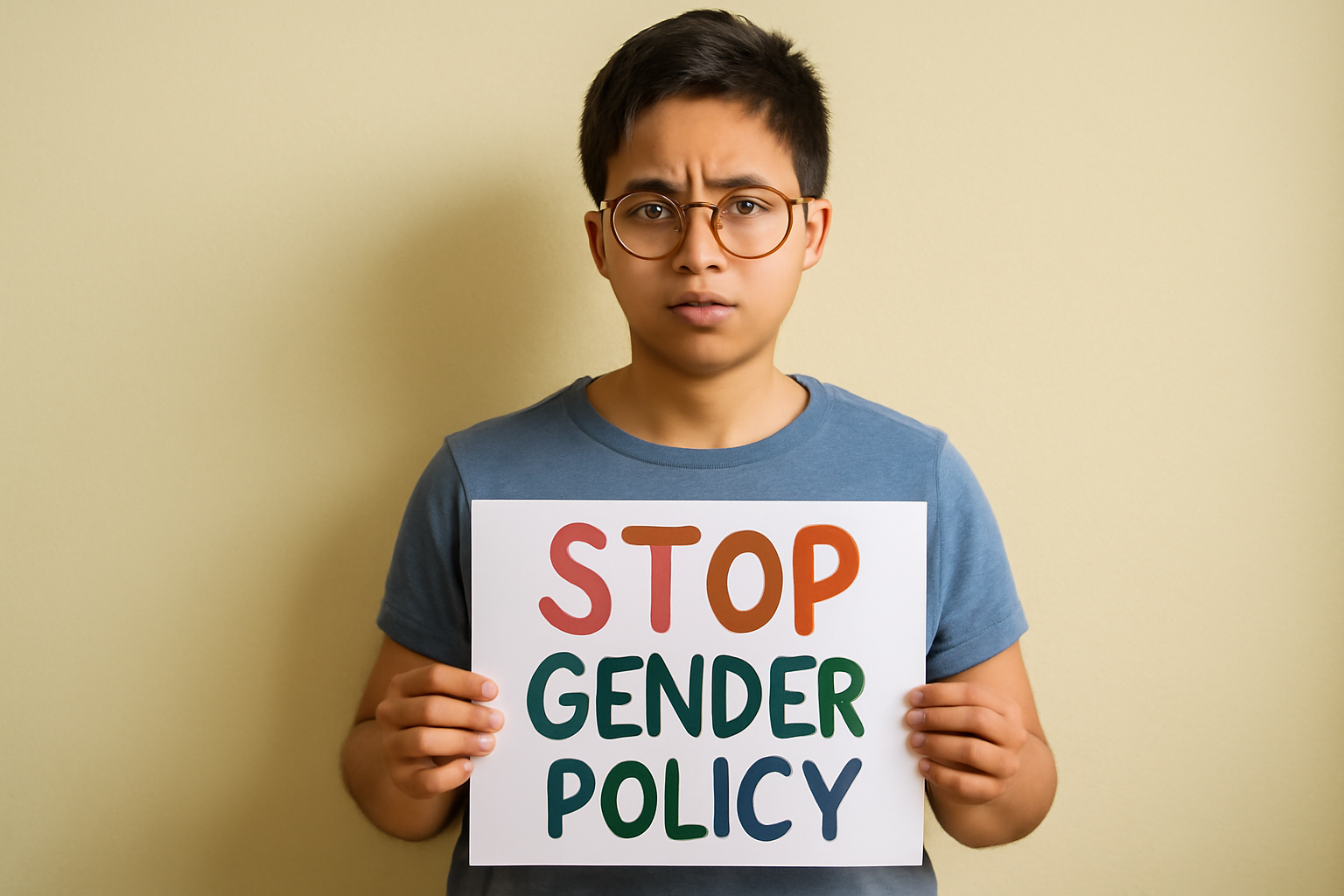
Recent policy changes regarding gender recognition have sparked significant debate and concern among various communities across the United States. A study has highlighted the potential negative impacts these changes could have on millions of Americans, particularly those who identify outside the traditional binary gender framework.
Understanding the Policy
The new executive order, which mandates the recognition of only two genders, has been a point of contention since its introduction. This policy can affect various aspects of life, including legal documentation, healthcare, and social services. By enforcing a binary understanding of gender, the policy overlooks the existence and rights of non-binary, genderqueer, and transgender individuals who do not strictly identify as male or female.
Healthcare Implications
The healthcare sector is one of the most critical areas impacted by this policy. Many healthcare providers rely on gender identity to offer tailored services that meet individual needs. By restricting gender recognition to a binary model, the policy risks marginalizing non-binary and transgender people, potentially leading to inadequate care or denial of services. Access to gender-affirming treatments could be severely restricted, which is a vital aspect of healthcare for transgender individuals.
Moreover, mental health services could also see increased strain as individuals face heightened discrimination and invalidation of their identities, leading to a rise in mental health issues such as anxiety, depression, and suicidal ideation.
Legal and Social Challenges
Legally, the policy presents significant challenges. Identification documents such as passports, driver’s licenses, and birth certificates might not accurately represent the gender identity of many individuals. This misalignment can lead to legal complications and affect one's ability to travel, secure employment, or access government services.
Socially, enforcing a binary gender policy could foster environments where discrimination and prejudice are more prevalent. It might embolden anti-LGBTQ+ sentiments, making it harder for individuals to live authentically and safely. Schools, workplaces, and public spaces could become less inclusive, affecting young people and adults alike.
Economic Impact
Besides social and legal implications, the policy could have economic consequences. Discrimination in hiring practices might increase, as employers adopt less inclusive policies. This could result in higher unemployment rates among LGBTQ+ communities, particularly those who are non-binary or transgender.
Furthermore, businesses that pride themselves on diversity and inclusion may face backlash or be forced to adjust their policies, impacting their operations and public image.
Community Response
LGBTQ+ advocacy groups have been vocal in their opposition to the policy, organizing protests, and raising awareness through campaigns and social media. They argue that the policy not only undermines decades of progress towards equality but also exacerbates existing inequalities and social divides.
Many organizations are working tirelessly to provide support and resources to those affected by the policy. Legal aid organizations are preparing to challenge the policy in court, while community centers offer counseling and support services to individuals struggling with the implications.
Conclusion
The executive order enforcing a binary gender model has far-reaching implications that extend beyond the immediate impact on individuals' identities. It challenges the fundamental principles of equality, inclusion, and human rights. As society continues to evolve, it is crucial for policies to reflect the diversity and complexity of human identity, rather than enforce outdated and restrictive norms. The conversation around gender and identity is ongoing, and it is essential for all voices to be heard and respected in shaping the future of society.
The study serves as a reminder of the work that remains in the fight for equality and inclusion, urging policymakers, communities, and individuals to advocate for a more inclusive and equitable society for all.
Related Posts
Supreme Court to Address State Bans on Trans Women in Female Sports
The upcoming U.S. Supreme Court term promises to be a pivotal moment for transgender rights, as the nation's highest court has agreed to evaluate whether states have the authority to prohibit transgender women from participating in female sports competitions. This case, scheduled to be argued in the next term beginning October, is expected to have a significant impact on the future of sports inclu [...]
Megan Rapinoe and Sue Bird Announce Amicable Separation After Ten Years Together
In a heartfelt announcement that resonated deeply within the sports and LGBTQ+ communities, soccer star Megan Rapinoe and basketball legend Sue Bird have revealed their decision to part ways after nearly a decade together. The couple, who have been icons both on and off the field, shared the news with their fans through a joint statement on social media, expressing that the choice was made with mu [...]
Groundbreaking Ruling Ends Sodomy Ban for Police and Military in the Dominican Republic
The Constitutional Court of the Dominican Republic recently delivered a landmark decision on November 18th, ruling that the nation’s police and armed forces are not permitted to criminalize consensual same-sex relations among their personnel. This pivotal ruling is a significant stride towards equality and the protection of LGBTQ+ rights within these institutions. A Resounding Victory for Equal [...]