
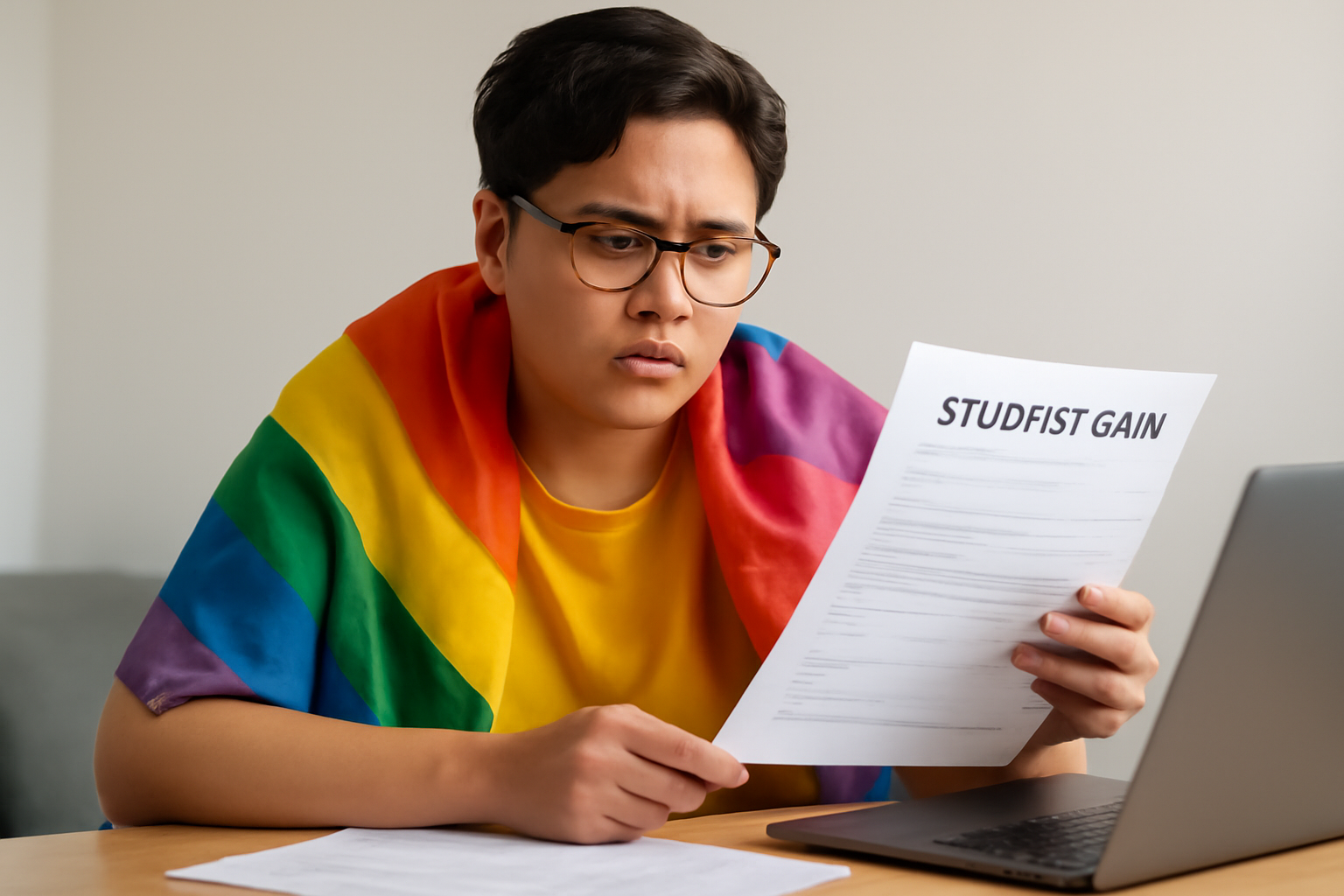
In recent developments, changes in federal student loan policies are set to have significant implications for various communities across the United States. Among these communities, LGBTQ+ adults are increasingly recognized as a group that could face disproportionate challenges due to these policy adjustments. It is essential to understand the unique circumstances that many LGBTQ+ individuals face in education and financial sectors and how these changes could impact their lives.
Understanding the Context
Education is often lauded as a pathway to greater opportunities, economic mobility, and personal empowerment. However, accessing higher education typically comes with a hefty price tag in the United States. For many, federal student loans have been a critical resource in financing their education. Recent policy changes, however, threaten to restrict access to these loans, which could have far-reaching consequences for marginalized communities, including LGBTQ+ individuals.
According to various studies and reports, LGBTQ+ individuals experience unique challenges in both educational environments and financial arenas. Discrimination, family rejection, and systemic biases often complicate their educational journeys. As a result, LGBTQ+ students might rely more heavily on student loans to fund their education compared to their heterosexual and cisgender peers.
Financial Challenges Faced by LGBTQ+ Adults
Many LGBTQ+ adults face financial difficulties that stem from a range of societal and economic factors. This includes experiences of discrimination in the workplace, which can limit income and employment opportunities. Additionally, LGBTQ+ individuals are more likely to face family rejection, which might mean they cannot rely on family financial support for education expenses. This scenario often results in a heavier reliance on student loans.
Moreover, research indicates that LGBTQ+ adults are more likely to have higher levels of debt compared to non-LGBTQ+ peers. The financial pressures are exacerbated by the fact that LGBTQ+ individuals often face barriers to accessing high-paying jobs due to discrimination and disparities in educational attainment.
The Impact of Recent Policy Changes
With recent alterations to federal student loan policies, there are concerns about how these changes will affect LGBTQ+ student borrowers. Potentially tighter restrictions on loan eligibility and greater scrutiny may limit access for those who need these loans the most. For instance, policies that demand stringent credit checks or require additional co-signers might disproportionately affect LGBTQ+ individuals who lack familial support or have faced financial instability.
Furthermore, changes that reduce loan forgiveness options or increase interest rates can create long-term financial burdens. LGBTQ+ individuals, already navigating a landscape filled with financial challenges, may find these changes particularly daunting. With education being a pivotal factor for upward mobility, any restriction on the ability to finance education can have lasting impacts on economic success and personal well-being.
Supporting LGBTQ+ Students
In light of these challenges, it is crucial for institutions, policymakers, and advocacy groups to work towards more inclusive financial aid practices. This includes advocating for policies that consider the unique challenges faced by LGBTQ+ students and ensuring that loan programs are accessible and equitable.
Educational institutions can play a significant role by providing targeted support and resources for LGBTQ+ students. This could include scholarships specifically aimed at LGBTQ+ individuals, financial literacy programs, and career counseling that understands and addresses the unique experiences of LGBTQ+ students.
Moreover, advocacy groups can amplify the voices of LGBTQ+ students and graduates, highlighting their needs and pushing for systemic changes that promote greater inclusion and equity in educational financing.
Conclusion
As we navigate the evolving landscape of education and finance, it is imperative to remain vigilant about how policy changes affect marginalized communities, particularly LGBTQ+ individuals. Ensuring access to education through fair and equitable financial aid practices is not just a matter of policy but one of social justice. By addressing the unique challenges faced by LGBTQ+ students in accessing education, we can work towards a more inclusive and equitable society.
As these discussions continue, it is critical for stakeholders to advocate for policies that do not inadvertently disadvantage those who are already marginalized. Only then can we ensure that education fulfills its promise as a powerful equalizer.
Related Posts
Supreme Court to Address State Bans on Trans Women in Female Sports
The upcoming U.S. Supreme Court term promises to be a pivotal moment for transgender rights, as the nation's highest court has agreed to evaluate whether states have the authority to prohibit transgender women from participating in female sports competitions. This case, scheduled to be argued in the next term beginning October, is expected to have a significant impact on the future of sports inclu [...]
Megan Rapinoe and Sue Bird Announce Amicable Separation After Ten Years Together
In a heartfelt announcement that resonated deeply within the sports and LGBTQ+ communities, soccer star Megan Rapinoe and basketball legend Sue Bird have revealed their decision to part ways after nearly a decade together. The couple, who have been icons both on and off the field, shared the news with their fans through a joint statement on social media, expressing that the choice was made with mu [...]
Groundbreaking Ruling Ends Sodomy Ban for Police and Military in the Dominican Republic
The Constitutional Court of the Dominican Republic recently delivered a landmark decision on November 18th, ruling that the nation’s police and armed forces are not permitted to criminalize consensual same-sex relations among their personnel. This pivotal ruling is a significant stride towards equality and the protection of LGBTQ+ rights within these institutions. A Resounding Victory for Equal [...]