
Introduction
Recent federal policy changes have had significant impacts on the availability and accessibility of health resources for the transgender community. These policy shifts have particularly affected the distribution and visibility of HIV-related resources provided by key health agencies. In this article, we will explore the ramifications of these changes on transgender health, with a focus on the Centers for Disease Control and Prevention (CDC) and its ability to support the LGBTQ+ community effectively.
Background on Federal Policy Changes
In recent years, there have been several executive orders and administrative actions aimed at redefining the scope of protections available to transgender individuals in various sectors, including healthcare. These actions have included attempts to narrow the definition of gender, affecting the legal recognition of transgender individuals.
Such policy changes have implications for how federal agencies operate, particularly those involved in public health. The CDC, as a principal public health institution in the United States, has been directly affected by these changes, which mandate adjustments to the language and resources available on its platforms.
Impact on HIV Resources
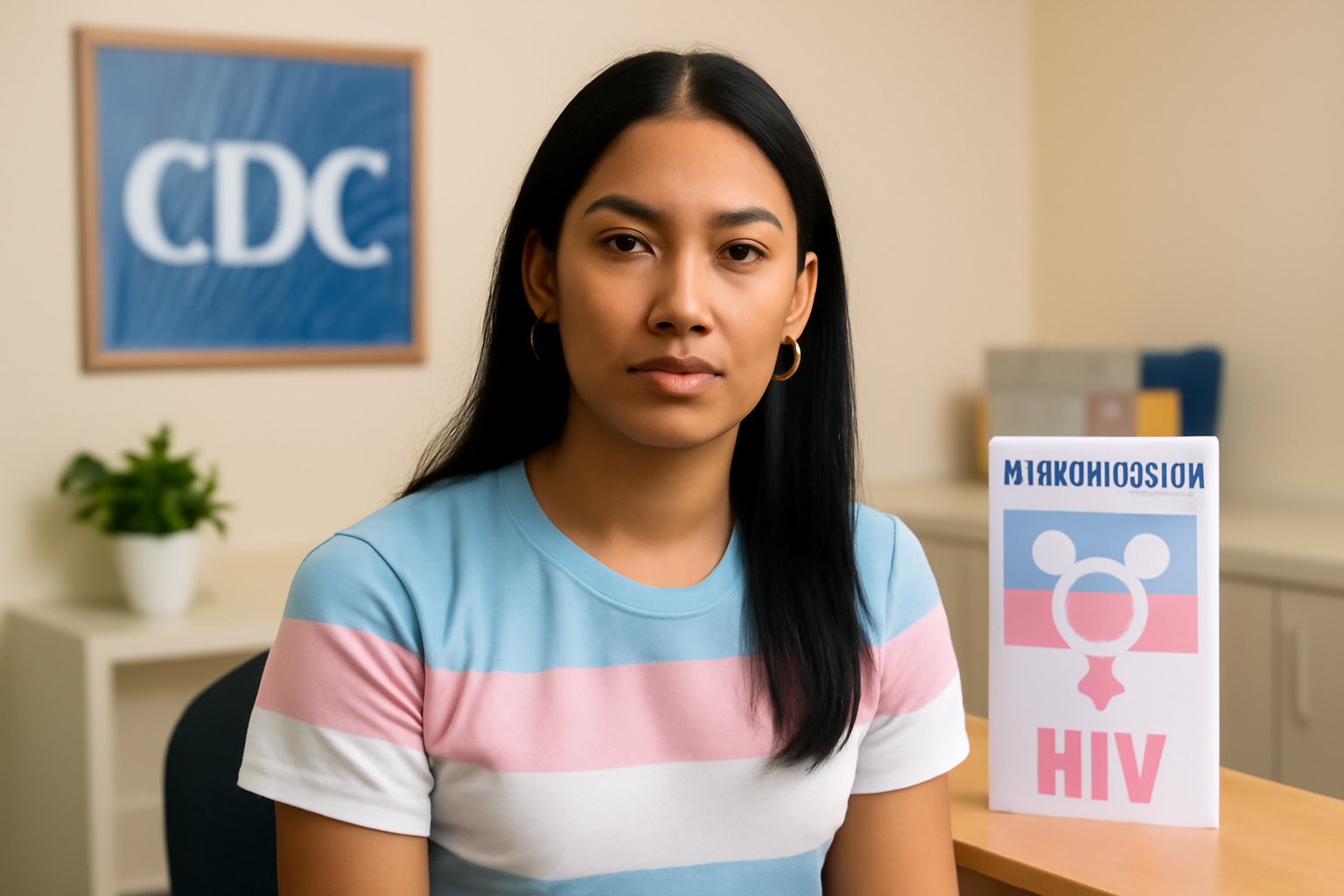
The CDC has been a vital resource for providing information and support related to HIV prevention and treatment. The availability of these resources has been crucial for the transgender community, which faces a higher risk of HIV due to various social and economic factors. However, recent policy directives have forced the CDC to alter or remove certain resources that explicitly address transgender individuals and their health needs.
These alterations are not merely cosmetic; they have the potential to impact the community's access to critical information. Transgender individuals, particularly those who are marginalized, may find it more challenging to obtain the guidance and support they need to manage their health effectively.
Challenges Faced by the Transgender Community
The transgender community experiences unique challenges that exacerbate health disparities, including discrimination, social stigma, and higher rates of poverty and unemployment. These factors contribute to limited access to healthcare, including preventive services for HIV. The removal or modification of HIV resources that specifically address the needs of transgender individuals further hinders their ability to navigate these challenges.
Without targeted and accessible resources, these individuals may be less likely to engage in preventive measures such as regular HIV testing and may face barriers to accessing treatment if they contract the virus.
Advocacy and Community Support
In light of these challenges, advocacy groups and community organizations have stepped up their efforts to fill the gaps left by federal policy changes. These organizations play a crucial role in providing education, support, and advocacy for the transgender community. They are often the primary source of information and assistance for those who may not have access to comprehensive healthcare services.
By collaborating with local health providers and leveraging digital platforms, these organizations work to ensure that transgender individuals have access to the resources they need to maintain their health and well-being.
Conclusion
The impact of recent federal policies on transgender health resources cannot be overlooked. While governmental changes may restrict the availability of certain information through official channels, the resilience and advocacy of community organizations continue to provide hope and support to those in need. It is crucial that efforts to protect and promote transgender health rights continue, ensuring that all individuals have access to the care and resources they deserve.
Related Posts
Supreme Court to Address State Bans on Trans Women in Female Sports
The upcoming U.S. Supreme Court term promises to be a pivotal moment for transgender rights, as the nation's highest court has agreed to evaluate whether states have the authority to prohibit transgender women from participating in female sports competitions. This case, scheduled to be argued in the next term beginning October, is expected to have a significant impact on the future of sports inclu [...]
Megan Rapinoe and Sue Bird Announce Amicable Separation After Ten Years Together
In a heartfelt announcement that resonated deeply within the sports and LGBTQ+ communities, soccer star Megan Rapinoe and basketball legend Sue Bird have revealed their decision to part ways after nearly a decade together. The couple, who have been icons both on and off the field, shared the news with their fans through a joint statement on social media, expressing that the choice was made with mu [...]
Groundbreaking Ruling Ends Sodomy Ban for Police and Military in the Dominican Republic
The Constitutional Court of the Dominican Republic recently delivered a landmark decision on November 18th, ruling that the nation’s police and armed forces are not permitted to criminalize consensual same-sex relations among their personnel. This pivotal ruling is a significant stride towards equality and the protection of LGBTQ+ rights within these institutions. A Resounding Victory for Equal [...]