
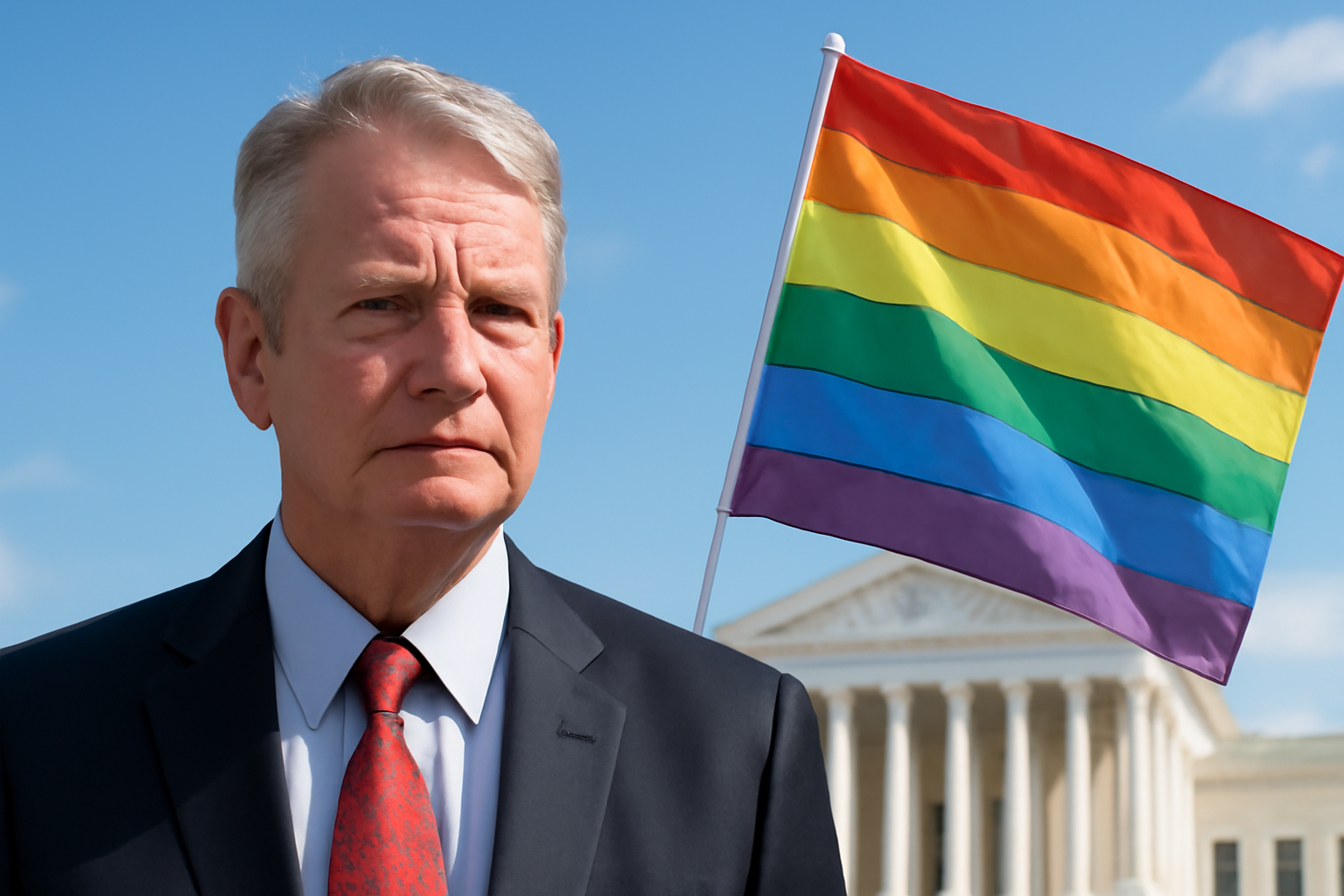
The political landscape regarding marriage equality continues to evoke debate and strong opinions across the United States. Recently, the Idaho GOP has put forward a significant challenge by urging the Supreme Court to reconsider its landmark decision that legalized same-sex marriage nationwide. This move comes as part of a broader effort by some conservative groups to revisit and possibly overturn pivotal rulings they believe are contrary to their values and interpretations of the Constitution.
The call to action by the Idaho GOP has sparked a renewed discussion on the implications of such a reversal, not just for LGBTQ+ individuals but for society as a whole. Supporters of the move argue that states should have the authority to define marriage within their own borders, without federal intervention. They claim that the Supreme Court’s decision in Obergefell v. Hodges overstepped its bounds by imposing a uniform definition of marriage across all 50 states.
The Potential Impact of Reversing Marriage Equality
If the Supreme Court were to reconsider and potentially overturn its decision, the consequences could be profound. For many same-sex couples, the ruling in Obergefell v. Hodges was not just a legal victory but a recognition of their rights and relationships. It granted them the ability to marry the person they love, with all the accompanying legal benefits and social recognition.
Reversing this decision could lead to a patchwork of marriage laws across the country, where same-sex couples might find their marriages recognized in some states but not in others. Such a shift would create legal and logistical challenges, particularly for families who move between states or have legal matters that cross state lines.
Arguments from Both Sides
Those in favor of maintaining the current legal standing argue that marriage equality is a fundamental civil right. They contend that allowing states to individually define marriage could lead to discrimination and unequal treatment under the law. Furthermore, many supporters highlight the positive societal changes that have occurred since the legalization of same-sex marriage, including increased visibility and acceptance of LGBTQ+ individuals and families.
Conversely, the Idaho GOP and like-minded groups argue that the decision to legalize same-sex marriage should rest with the states, reflecting the will of their populations. They believe that the sanctity of marriage as an institution is compromised by federal mandates that override local values and customs. This perspective often draws on religious and traditional beliefs regarding the nature of marriage.
Legal and Social Implications
Legal experts suggest that while the Supreme Court could theoretically reconsider past decisions, the process is not simple. It would require a case to work its way through the lower courts, presenting new arguments or contexts that justify revisiting the ruling. Additionally, the Court typically respects the principles of stare decisis, meaning it often upholds past rulings to maintain legal continuity and stability.
Socially, the push to overturn marriage equality could galvanize LGBTQ+ advocates and allies. It might lead to increased activism and engagement as individuals and organizations strive to protect the rights gained over the past several decades. Such a movement could also prompt a broader discussion about the role of the judiciary in shaping social policy and the balance of power between state and federal authorities.
The Path Forward
As the debate unfolds, it is crucial for all parties to engage in respectful and informed dialogue. Understanding the perspectives and concerns of those on both sides can lead to more constructive conversations and potential compromises. The future of marriage equality in the United States remains uncertain, but the discussions it inspires can serve as a catalyst for greater understanding and acceptance.
Ultimately, the decision of whether to revisit the Supreme Court's ruling on same-sex marriage will rest with the judicial system and, perhaps, the broader political climate. As society continues to evolve, the values and beliefs that guide these decisions may also transform, reflecting the diverse tapestry of the American people.
Related Posts
Supreme Court to Address State Bans on Trans Women in Female Sports
The upcoming U.S. Supreme Court term promises to be a pivotal moment for transgender rights, as the nation's highest court has agreed to evaluate whether states have the authority to prohibit transgender women from participating in female sports competitions. This case, scheduled to be argued in the next term beginning October, is expected to have a significant impact on the future of sports inclu [...]
Megan Rapinoe and Sue Bird Announce Amicable Separation After Ten Years Together
In a heartfelt announcement that resonated deeply within the sports and LGBTQ+ communities, soccer star Megan Rapinoe and basketball legend Sue Bird have revealed their decision to part ways after nearly a decade together. The couple, who have been icons both on and off the field, shared the news with their fans through a joint statement on social media, expressing that the choice was made with mu [...]
Groundbreaking Ruling Ends Sodomy Ban for Police and Military in the Dominican Republic
The Constitutional Court of the Dominican Republic recently delivered a landmark decision on November 18th, ruling that the nation’s police and armed forces are not permitted to criminalize consensual same-sex relations among their personnel. This pivotal ruling is a significant stride towards equality and the protection of LGBTQ+ rights within these institutions. A Resounding Victory for Equal [...]