
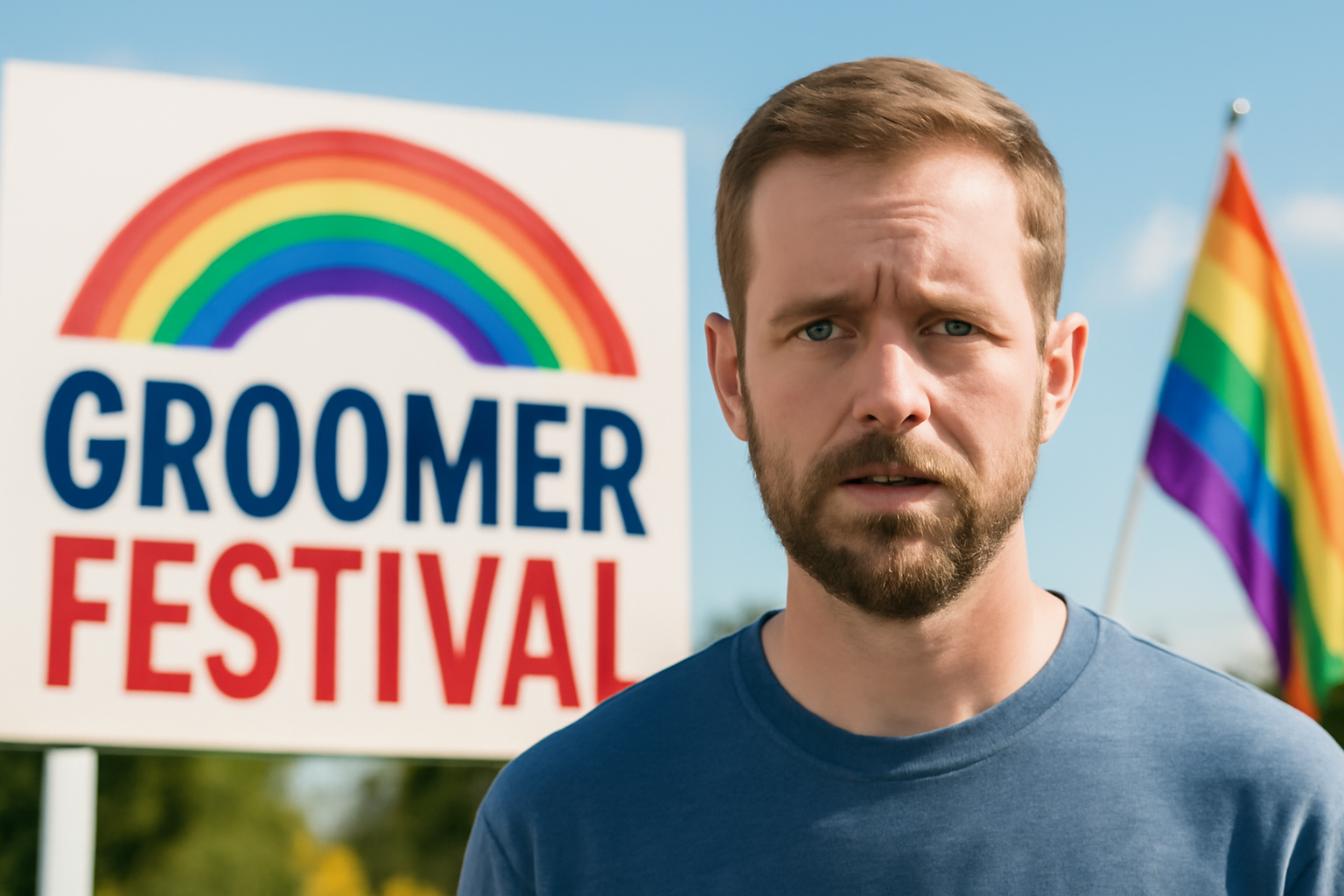
The recent announcement of a festival in Idaho has sparked a significant amount of discussion online, both within the LGBTQ+ community and beyond. This event, aiming to celebrate a unique perspective on pride, has been dubbed with a name that has drawn both curiosity and criticism from various quarters. As expected, the internet has erupted with opinions and debates over the implications and intentions behind this festival's name.
The Event in Question
Organizers of the event describe it as a celebration of "heterosexual pride," which has naturally raised eyebrows among those who support traditional pride celebrations that focus on inclusivity and diversity. The event is positioned as a festive gathering, complete with music, food, and activities that aim to honor what the organizers refer to as "traditional values." However, the choice of the festival's title has been the primary focus of attention, given its provocative nature.
The festival's title seems to be a response to the LGBTQ+ pride events that have become a beloved tradition around the world. While some see this as an opportunity to celebrate their own identity, others view it as a controversial move that seeks to undermine the purpose and significance of LGBTQ+ pride events.
Community Reactions
Reactions from the LGBTQ+ community and allies have been mixed but largely critical. Many people see the event as unnecessary and potentially harmful, as it might detract from the struggles and achievements of the LGBTQ+ community. Critics argue that the concept of a "straight pride" event ignores the history of oppression faced by LGBTQ+ individuals and the ongoing fight for equal rights.
On social media platforms, hashtags related to the event quickly started trending, with users expressing a wide range of emotions from confusion and amusement to outrage. Memes and satirical posts have proliferated, highlighting the perceived absurdity of the festival's premise.
Understanding Pride Celebrations
Pride events, particularly those held by the LGBTQ+ community, are not merely festive occasions. They are deeply rooted in a history of resistance and protest. The first pride marches were a direct response to discrimination and violence faced by LGBTQ+ individuals. They serve as a reminder of the struggles for acceptance and equality, and they celebrate the progress made over the years. Many believe that these events should remain focused on advocating for the rights of marginalized communities.
The concept of a "straight pride" event challenges this narrative and raises questions about what pride means in different contexts. Some argue that every individual deserves to celebrate their identity, while others believe that pride celebrations should continue to focus on those who have been historically marginalized.
The Broader Implications
Events like the one in Idaho can have broader social implications. They can influence public discourse around issues of identity, rights, and inclusion. While the intention behind such events might be to foster a sense of community and pride among heterosexual individuals, the execution and messaging can lead to misunderstandings and controversy.
Ultimately, the way society views and celebrates identity is evolving. As conversations about gender, sexuality, and equality continue to develop, events like these challenge us to think critically about inclusion and representation. Dialogue and understanding are essential to ensuring that celebrations of identity, regardless of their focus, are respectful and meaningful.
Conclusion
While the Idaho event has certainly succeeded in garnering attention, it has also prompted necessary discussions about the purpose and scope of pride. As the event approaches, it remains to be seen how it will unfold and what impact it will have on the local and broader community.
Related Posts
Supreme Court to Address State Bans on Trans Women in Female Sports
The upcoming U.S. Supreme Court term promises to be a pivotal moment for transgender rights, as the nation's highest court has agreed to evaluate whether states have the authority to prohibit transgender women from participating in female sports competitions. This case, scheduled to be argued in the next term beginning October, is expected to have a significant impact on the future of sports inclu [...]
Megan Rapinoe and Sue Bird Announce Amicable Separation After Ten Years Together
In a heartfelt announcement that resonated deeply within the sports and LGBTQ+ communities, soccer star Megan Rapinoe and basketball legend Sue Bird have revealed their decision to part ways after nearly a decade together. The couple, who have been icons both on and off the field, shared the news with their fans through a joint statement on social media, expressing that the choice was made with mu [...]
Groundbreaking Ruling Ends Sodomy Ban for Police and Military in the Dominican Republic
The Constitutional Court of the Dominican Republic recently delivered a landmark decision on November 18th, ruling that the nation’s police and armed forces are not permitted to criminalize consensual same-sex relations among their personnel. This pivotal ruling is a significant stride towards equality and the protection of LGBTQ+ rights within these institutions. A Resounding Victory for Equal [...]