
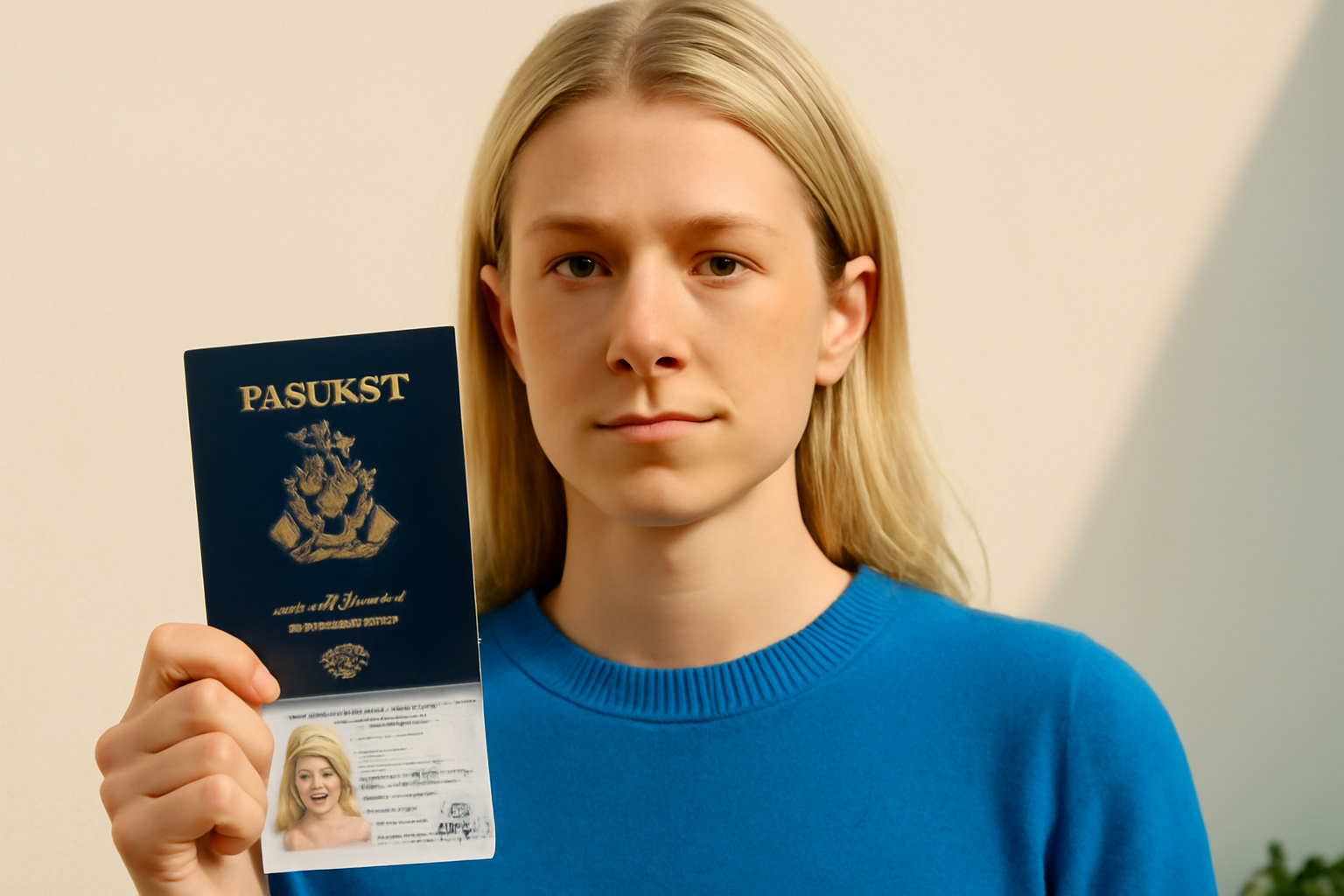
In a surprising and controversial move, the gender marker on Hunter Schafer's passport was altered from female to male, sparking a discussion about the implications of certain government policies on the LGBTQ+ community. This change occurred following a directive that mandates the use of sex assigned at birth on legal documents, a policy that has affected many transgender individuals across the country.
Hunter Schafer, well-known for their role in the entertainment industry and as a prominent advocate for transgender rights, was directly affected by this administrative decision. The policy, enacted under a recent executive order, has brought about significant challenges for the transgender community, particularly for those who have already undergone the process of legally updating their documents to reflect their true gender identity.
Understanding the Policy Shift
This executive order, issued during a previous administration, stipulates that federal documents, including passports, must align with the sex assigned at birth unless individuals have undergone specific medical procedures. This has posed a significant barrier for those who identify differently from the sex noted on their original birth certificate, as it requires them to prove their gender identity through invasive and often inaccessible medical documentation.
Critics argue that this policy not only undermines the identity of transgender individuals but also imposes undue stress and potential safety risks, especially when traveling internationally. For many, passports are not just travel documents but a reflection of their lived identity, and having a document that contradicts their gender presentation can lead to uncomfortable and even dangerous situations.
Impact on Transgender Individuals
The impact of this policy is far-reaching. Individuals like Hunter Schafer, who have publicly transitioned and live authentically in their identified gender, find themselves suddenly at odds with a system that denies their reality. For those in similar positions, this administrative hurdle is more than just a bureaucratic inconvenience; it is a symbolic erasure of their identity.
Transgender people often face discrimination and misunderstanding in society, and policies such as these exacerbate those challenges. By enforcing a standard that disregards their identity, the affected individuals may experience increased anxiety and vulnerability, particularly in contexts where identity verification is required.
Community Response
The policy has sparked significant backlash from LGBTQ+ advocacy groups, who are calling for its reversal. Organizations dedicated to the rights of transgender individuals argue that such mandates are regressive and harmful. They emphasize the importance of recognizing and validating people's gender identities as a matter of dignity and respect.
Activists have been vocal in their opposition, organizing campaigns and legal efforts to challenge the policy. Social media platforms have seen a surge of support for those affected, with many sharing personal stories of frustration and resilience in the face of bureaucratic obstacles.
Moving Forward
As the debate continues, there is hope within the community that future policy changes will better reflect the needs and identities of transgender individuals. Advocates are pushing for more inclusive guidelines that respect a person’s self-identified gender without unnecessary and invasive requirements.
For Hunter Schafer and others in similar situations, the journey towards recognition and equality is ongoing. The conversation around legal recognition of gender identity is integral to the broader struggle for LGBTQ+ rights and social acceptance.
As understanding and awareness of transgender issues grow, there is potential for positive change. By continuing to raise awareness and advocate for policy revisions, the LGBTQ+ community and its allies strive to ensure that every individual is seen and respected for who they are, in all aspects of their lives.
The need for compassionate and inclusive policies is evident, and the conversation surrounding them is more critical than ever. The experiences of those like Hunter Schafer highlight the importance of fighting for a world where gender identity is affirmed and celebrated, free from bureaucratic hindrances and societal prejudice.
Related Posts
Supreme Court to Address State Bans on Trans Women in Female Sports
The upcoming U.S. Supreme Court term promises to be a pivotal moment for transgender rights, as the nation's highest court has agreed to evaluate whether states have the authority to prohibit transgender women from participating in female sports competitions. This case, scheduled to be argued in the next term beginning October, is expected to have a significant impact on the future of sports inclu [...]
Megan Rapinoe and Sue Bird Announce Amicable Separation After Ten Years Together
In a heartfelt announcement that resonated deeply within the sports and LGBTQ+ communities, soccer star Megan Rapinoe and basketball legend Sue Bird have revealed their decision to part ways after nearly a decade together. The couple, who have been icons both on and off the field, shared the news with their fans through a joint statement on social media, expressing that the choice was made with mu [...]
Groundbreaking Ruling Ends Sodomy Ban for Police and Military in the Dominican Republic
The Constitutional Court of the Dominican Republic recently delivered a landmark decision on November 18th, ruling that the nation’s police and armed forces are not permitted to criminalize consensual same-sex relations among their personnel. This pivotal ruling is a significant stride towards equality and the protection of LGBTQ+ rights within these institutions. A Resounding Victory for Equal [...]