
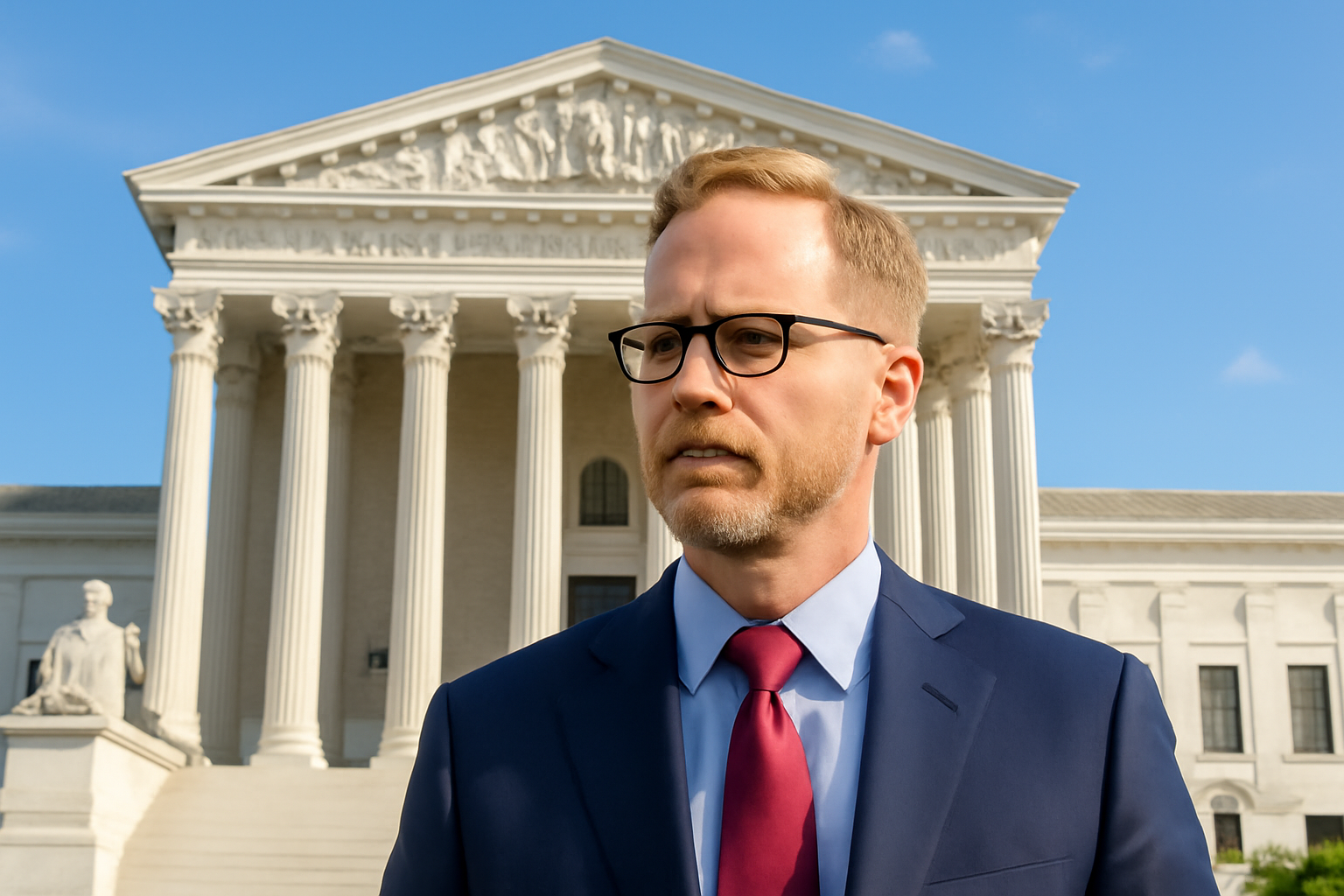
In a landmark decision that has captured the nation’s attention, the Supreme Court has ruled against any further delay in the sentencing of a prominent political figure. This decision comes at a time of great political upheaval and sets a significant precedent for how justice is administered amidst political complexities.
Background of the Case
The case in question has been closely followed by both legal experts and the public due to its far-reaching implications. The individual at the center of this legal storm has been a polarizing figure, often dominating headlines. Previously, there was much speculation and debate regarding whether their legal circumstances would impact their ability to hold office. The Supreme Court’s decision firmly answers that question, indicating that even those who hold or aspire to hold public office are subject to the rule of law.
Implications for the Political Landscape
With the Supreme Court’s ruling now public, the political landscape is set for a period of intense debate and scrutiny. This ruling underscores the judiciary's role as an impartial arbiter, delivering justice without regard to political influence. Many experts suggest this decision could reshape public perceptions about accountability and transparency in government.
Opponents of the political figure have praised the decision, viewing it as a triumph for justice and fairness. This, they argue, reinforces the principle that no one is above the law. Meanwhile, supporters express concerns about the decision’s timing and potential impacts on future political engagements.
Reactions from Various Quarters
The decision has elicited a wide array of responses from political leaders, legal scholars, and the public. Advocacy groups that focus on legal integrity and democratic principles have applauded the court’s decision, seeing it as a validation of their long-held assertions that accountability must prevail.
In contrast, some voices within the political sphere argue that the ruling could set a precedent for legal challenges against other political figures in the future. These concerns highlight ongoing tensions about the balance between judicial processes and political activities.
Looking Ahead: What This Means for Future Governance
As the nation absorbs this ruling, questions arise about how it will influence future governance and electoral processes. Legal analysts are keenly observing the precedent this sets, especially regarding the eligibility and conduct of those in public office.
The ruling may usher in new legislative measures aimed at reinforcing ethical standards and legal accountability for public officials. This could lead to more rigorous vetting processes for candidates seeking public office, thereby ensuring that those who hold such positions reflect values of integrity and accountability.
In the coming weeks, further developments are anticipated as the political figure navigates the legal processes that lie ahead. The decision by the Supreme Court marks a pivotal moment, reinforcing the judiciary's role in upholding the tenets of democracy and governance.
Ultimately, this historic ruling serves as a reminder of the enduring principles of justice and the importance of adhering to the rule of law, no matter one’s political stature. As the legal proceedings continue, the nation watches closely, contemplating the broader implications for justice, governance, and democracy itself.
This story continues to unfold, promising to remain a focal point in discussions about the intersection of law and politics in the contemporary era.
Related Posts
Supreme Court to Address State Bans on Trans Women in Female Sports
The upcoming U.S. Supreme Court term promises to be a pivotal moment for transgender rights, as the nation's highest court has agreed to evaluate whether states have the authority to prohibit transgender women from participating in female sports competitions. This case, scheduled to be argued in the next term beginning October, is expected to have a significant impact on the future of sports inclu [...]
Megan Rapinoe and Sue Bird Announce Amicable Separation After Ten Years Together
In a heartfelt announcement that resonated deeply within the sports and LGBTQ+ communities, soccer star Megan Rapinoe and basketball legend Sue Bird have revealed their decision to part ways after nearly a decade together. The couple, who have been icons both on and off the field, shared the news with their fans through a joint statement on social media, expressing that the choice was made with mu [...]
Groundbreaking Ruling Ends Sodomy Ban for Police and Military in the Dominican Republic
The Constitutional Court of the Dominican Republic recently delivered a landmark decision on November 18th, ruling that the nation’s police and armed forces are not permitted to criminalize consensual same-sex relations among their personnel. This pivotal ruling is a significant stride towards equality and the protection of LGBTQ+ rights within these institutions. A Resounding Victory for Equal [...]