
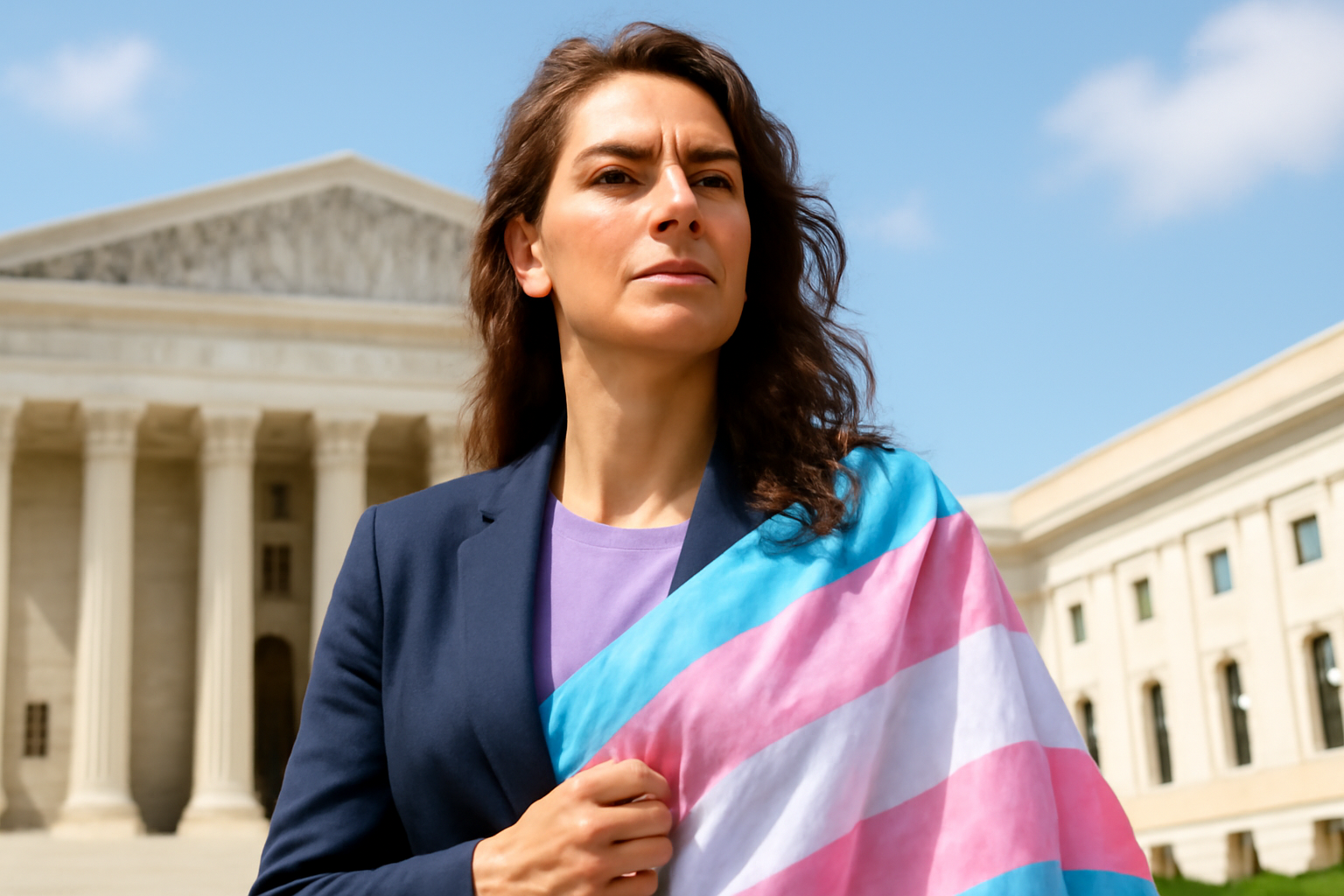
Recently, there has been a flurry sparked by some new directives from our country's Supreme Court about transgender rights. They've told lower courts they need another look at some older decisions, shining a light on just how fluid and changing this area can be within our legal system.
This could seriously shake things up when it comes down not just how transgender people are treated under anti-discrimination laws, but also in terms roles gender identity plays in public settings. As we navigate through these changes, it's key that everyone involved—from advocates and lawyers, right down those affected—stays informed and active.
Dig deeper: what's going on here?
When cases get sent back down by supreme court, it's not unusual, but in terms transgender rights, each time carries extra weight. We're watching precedents come together, or maybe even fall apart, as lower courts rethink previous decisions, often with fresh perspectives or new legal theories in mind.
Lately, we've seen significant cases hit on topics like access healthcare, job discrimination, and school policies around bathroom access. These have been all over map with outcomes, largely reflecting local views and how federal laws, like Title VII, which talks sex-based discrimination, get interpreted.
The power play: federal law and transgender rights
Federal laws really do set stage when we talk transgender rights, especially how courts interpret them—they truly affect everyday lives. Take Title IX, which battles sex discrimination in any education program receiving federal funds. Its relevance gender identity has been a hot debate topic.
Some jurisdictions say yes, sex discrimination includes gender identity; transgender folks are thus protected. But this view isn't universally held, leading us a mixed legal environment across states.
What could happen?
So, with Supreme Court pointing us towards another round inspections on old cases, we might see laws become a bit more uniform across board. Going broader could shore up transgender rights further, but if things take narrower turn, we could see current protections shrink.
Experts reckon such rulings could have ripple effects beyond courts too, touching on healthcare rights, parental responsibilities, even how policies in jails are crafted. With legal conversations far from over, it remains important educate both public judiciary about everything transgender communities face.
The heartbeat: community and activism
Community groups—it can't be overstated how vital their role in all this. Providing support and resources, they're like a backbone, helping folks grasp their rights. Plus, they're out there shaping opinions, pushing policies through campaigns and education.
As developments continue arising, staying alert and active becomes more imperative than ever. The Supreme Court's revisit highlights a continuing fight not just equality, but justice, offering an opportunity reflect, recommitting ourselves advocacy.
So here we find ourselves, with Supreme Court's recent steps bringing attention back transgender legal battles, potentially nudges various societal aspects. Everyone involved, from individuals advocacy groups policymakers, needs stay up-to-date as these legal narratives progress.
Related Posts
Supreme Court to Address State Bans on Trans Women in Female Sports
The upcoming U.S. Supreme Court term promises to be a pivotal moment for transgender rights, as the nation's highest court has agreed to evaluate whether states have the authority to prohibit transgender women from participating in female sports competitions. This case, scheduled to be argued in the next term beginning October, is expected to have a significant impact on the future of sports inclu [...]
Megan Rapinoe and Sue Bird Announce Amicable Separation After Ten Years Together
In a heartfelt announcement that resonated deeply within the sports and LGBTQ+ communities, soccer star Megan Rapinoe and basketball legend Sue Bird have revealed their decision to part ways after nearly a decade together. The couple, who have been icons both on and off the field, shared the news with their fans through a joint statement on social media, expressing that the choice was made with mu [...]
Groundbreaking Ruling Ends Sodomy Ban for Police and Military in the Dominican Republic
The Constitutional Court of the Dominican Republic recently delivered a landmark decision on November 18th, ruling that the nation’s police and armed forces are not permitted to criminalize consensual same-sex relations among their personnel. This pivotal ruling is a significant stride towards equality and the protection of LGBTQ+ rights within these institutions. A Resounding Victory for Equal [...]