
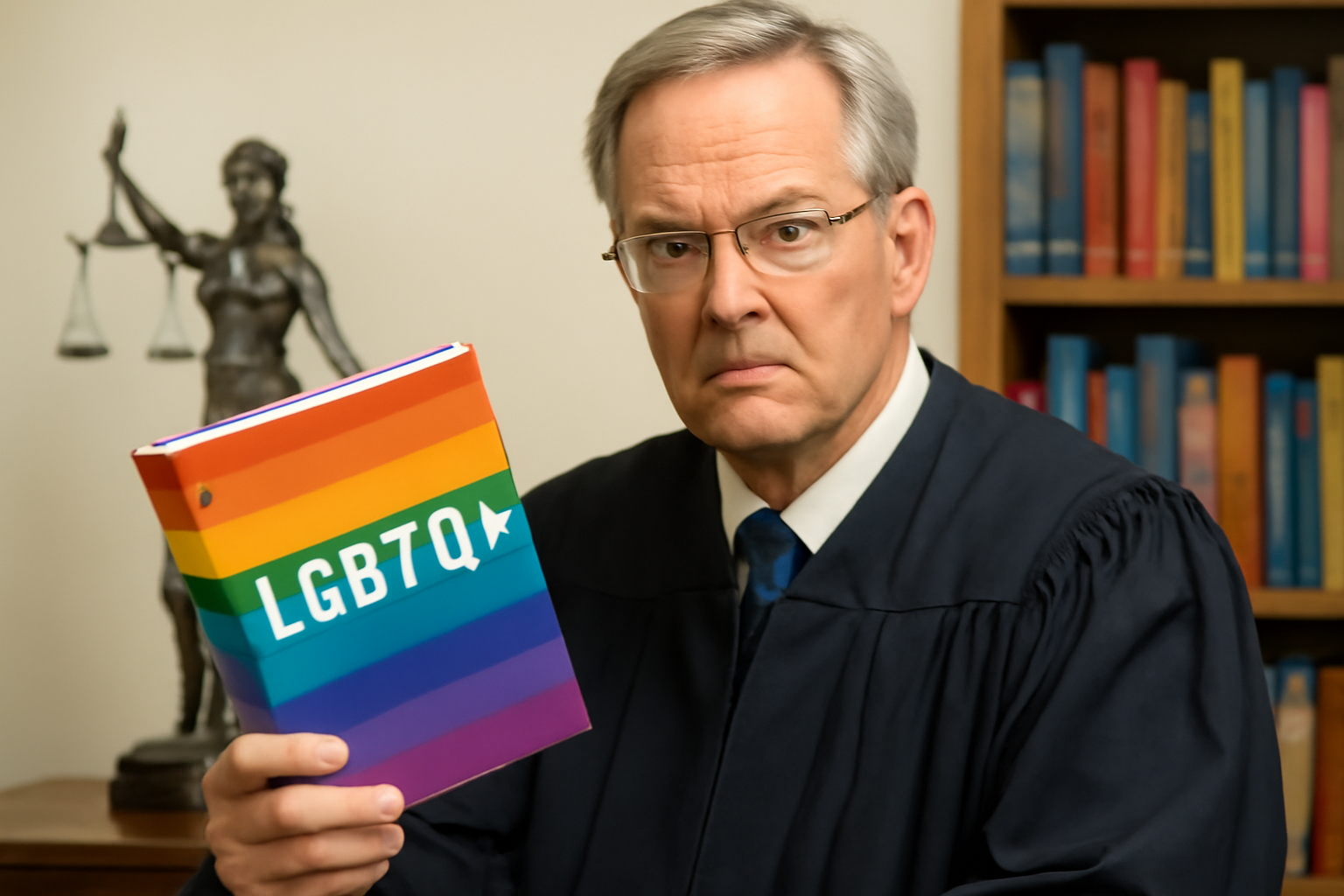
Supreme court decision on LGBTQ+ books: Walking a tightrope between religious freedom and inclusivity
In a ruling that's sure got people talking, a decision from our highest court favored a group wanting LGBTQ+ themed books pulled from school shelves over concerns about religious beliefs. This decision has sparked big debates about religious rights clashing with LGBTQ+ representation, especially in schools.
The story behind this case
The whole thing started when some religious parents felt that books with LGBTQ+ themes just didn't fit with their beliefs or what they wanted their kids exposed while at school. They argued these books opposed their values and were simply not right.
On their end, school officials backed keeping these books, emphasizing their role in representing all students and encouraging an inclusive learning space. Removing them, they said, would be like silencing important voices.
What did The Supreme Court say and what could it mean?
This decision got a lotta attention from folks on all sides. The court sided with parents, stating parents should have a say in what their kids read at school. But there's a concern about how this might affect representation and inclusion in schools.
The court insisted this wasn't about curbing LGBTQ+ rights but about upholding parents' rights under religious freedom. "Taking some books off shelves honors parents' constitutional right in guiding their kids' education," they said.
How's everyone feeling about this?
The LGBTQ+ community didn't take this lightly, voicing worries that such a ruling could lead down a path where more LGBTQ+ content finds itself booted from schools. As one spokesperson said, "It feels like a step back from ensuring every student sees themselves in what they're learning."
A diverse curriculum plays a big role in nurturing environments where every student can feel at home. Stripping these books from schools might leave some students feeling left out, impacting their mental well-being and sense belonging.
What's in store: Finding middle ground between faith and inclusivity
This decision has opened up a conversation about how schools can honor religious beliefs without sidelining minority communities. Legal minds are hinting this could spark similar disputes across other states, as more parents might demand material be removed.
Schools could find themselves rethinking their materials and lessons, possibly narrowing students' exposure diverse ideas.
Looking forward: Striving balance in education
At a time when issues about who gets represented in school are front and center, this Supreme Court ruling brings spotlight tension between religious freedoms and rights marginalized groups. It's a call continue this conversation ensure everyone's voice heard in education.
The ripple effect this decision might be felt far and wide in future, influencing how public schools juggle demands from their diverse student bodies and families' rights. It's more important than ever educators, policymakers, communities work together craft educational environments that honor all students while respecting family values.
What did The Supreme Court say and what could it mean?
This decision got a lotta attention from folks on all sides. The court sided with parents, stating parents should have a say in what their kids read at school. But there's a concern about how this might affect representation and inclusion in schools.
The court insisted this wasn't about curbing LGBTQ+ rights but about upholding parents' rights under religious freedom. "Taking some books off shelves honors parents' constitutional right in guiding their kids' education," they said.
How's everyone feeling about this?
The LGBTQ+ community didn't take this lightly, voicing worries that such a ruling could lead down a path where more LGBTQ+ content finds itself booted from schools. As one spokesperson said, "It feels like a step back from ensuring every student sees themselves in what they're learning."
A diverse curriculum plays a big role in nurturing environments where every student can feel at home. Stripping these books from schools might leave some students feeling left out, impacting their mental well-being and sense belonging.
What's in store: Finding middle ground between faith and inclusivity
This decision has opened up a conversation about how schools can honor religious beliefs without sidelining minority communities. Legal minds are hinting this could spark similar disputes across other states, as more parents might demand material be removed.
Schools could find themselves rethinking their materials and lessons, possibly narrowing students' exposure diverse ideas.
Looking forward: Striving balance in education
At a time when issues about who gets represented in school are front and center, this Supreme Court ruling brings spotlight tension between religious freedoms and rights marginalized groups. It's a call continue this conversation ensure everyone's voice heard in education.
The ripple effect this decision might be felt far and wide in future, influencing how public schools juggle demands from their diverse student bodies and families' rights. It's more important than ever educators, policymakers, communities work together craft educational environments that honor all students while respecting family values.
What's in store: Finding middle ground between faith and inclusivity
This decision has opened up a conversation about how schools can honor religious beliefs without sidelining minority communities. Legal minds are hinting this could spark similar disputes across other states, as more parents might demand material be removed.
Schools could find themselves rethinking their materials and lessons, possibly narrowing students' exposure diverse ideas.
Looking forward: Striving balance in education
At a time when issues about who gets represented in school are front and center, this Supreme Court ruling brings spotlight tension between religious freedoms and rights marginalized groups. It's a call continue this conversation ensure everyone's voice heard in education.
The ripple effect this decision might be felt far and wide in future, influencing how public schools juggle demands from their diverse student bodies and families' rights. It's more important than ever educators, policymakers, communities work together craft educational environments that honor all students while respecting family values.
Related Posts
Supreme Court to Address State Bans on Trans Women in Female Sports
The upcoming U.S. Supreme Court term promises to be a pivotal moment for transgender rights, as the nation's highest court has agreed to evaluate whether states have the authority to prohibit transgender women from participating in female sports competitions. This case, scheduled to be argued in the next term beginning October, is expected to have a significant impact on the future of sports inclu [...]
Megan Rapinoe and Sue Bird Announce Amicable Separation After Ten Years Together
In a heartfelt announcement that resonated deeply within the sports and LGBTQ+ communities, soccer star Megan Rapinoe and basketball legend Sue Bird have revealed their decision to part ways after nearly a decade together. The couple, who have been icons both on and off the field, shared the news with their fans through a joint statement on social media, expressing that the choice was made with mu [...]
Groundbreaking Ruling Ends Sodomy Ban for Police and Military in the Dominican Republic
The Constitutional Court of the Dominican Republic recently delivered a landmark decision on November 18th, ruling that the nation’s police and armed forces are not permitted to criminalize consensual same-sex relations among their personnel. This pivotal ruling is a significant stride towards equality and the protection of LGBTQ+ rights within these institutions. A Resounding Victory for Equal [...]