
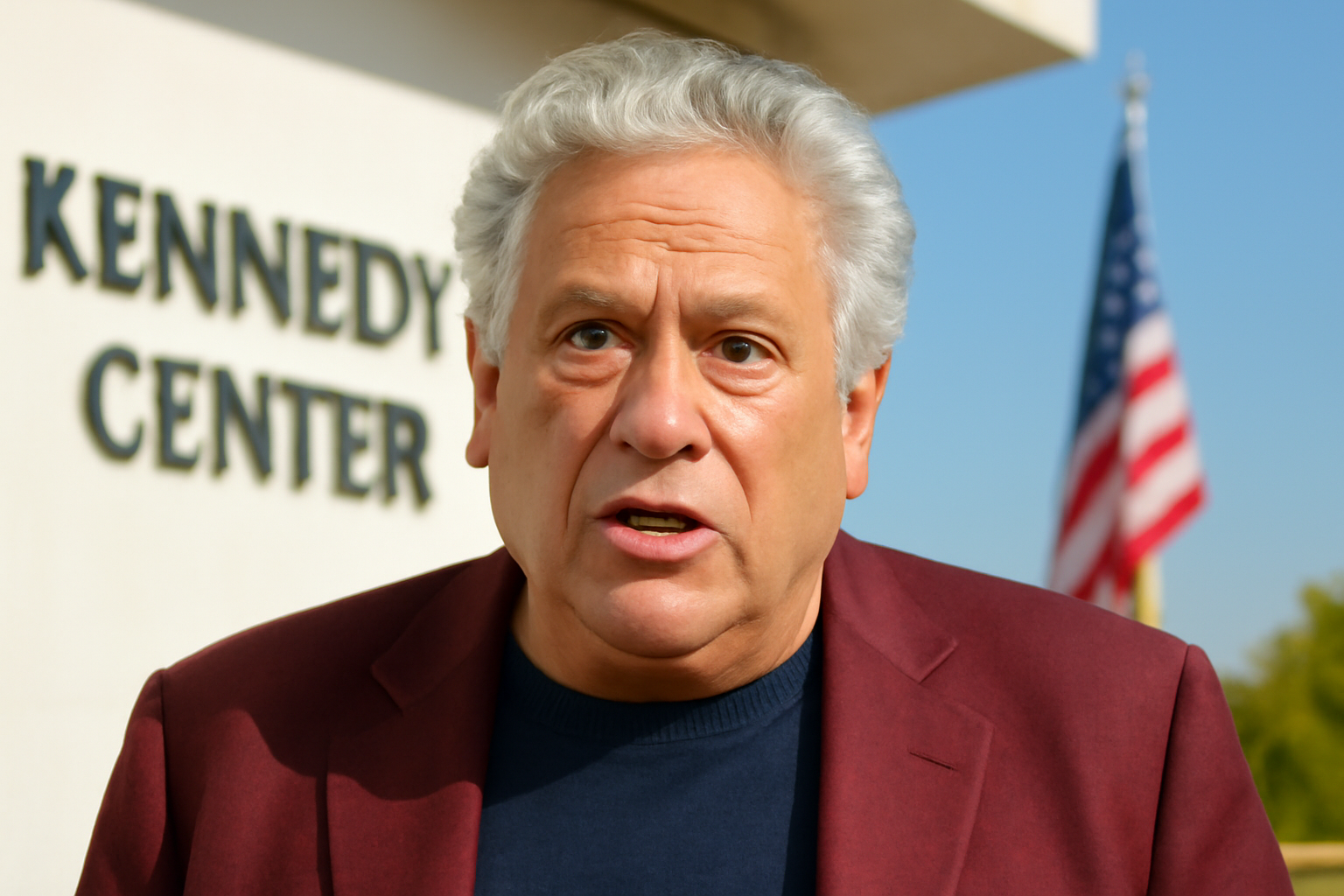
Harvey Fierstein Raises Concerns Over Artistic Freedom at the Kennedy Center
Acclaimed actor and writer Harvey Fierstein has recently voiced his concerns about the state of artistic freedom at the John F. Kennedy Center for the Performing Arts in Washington DC. According to Fierstein, the atmosphere at the center has changed dramatically following the appointment of Donald Trump as its chair, leading to a restrictive environment for productions with certain themes.
Fierstein, renowned for his contributions to theater with works such as "Kinky Boots" and "Funny Girl," as well as his performances in "Mrs. Doubtfire" and "Independence Day," believes that the shift in leadership has had a chilling effect on the arts. Younger audiences might recognize him as the voice of Yao in Disney's "Mulan." He has reported that over ten theatrical productions he was involved with have been implicitly discouraged from being performed at the center.
In a heartfelt post on Instagram, Fierstein shared his disappointment and confusion over the alleged restrictions. He stated, "I have been in the struggle for our civil rights for more than 50 years, only to watch them threatened by a leader who seems to prioritize personal agendas over cultural enrichment." Fierstein's post underscores the broader cultural clash between artistic expression and political influences.
Among the productions Fierstein cites as affected are "Kinky Boots," "Hairspray," "Safe Sex," "The Sissy Duckling," "La Cage Aux Folles," and "Spookhouse," many of which explore themes relevant to the LGBTQ+ community. These works have been celebrated for their positive representation and their ability to spark important conversations around diversity and inclusion.
Fierstein lamented, "This is not just about me or my work; it's about the freedom to express and celebrate diversity that is at the core of the arts. The arts have always been a haven for those seeking to challenge the status quo and promote understanding." His remarks reflect a growing concern within the artistic community about the potential for censorship driven by political ideologies.
However, Richard Grenell, the Republican executive director appointed to the center, publicly countered Fierstein's claims. In response on social media, Grenell invited Fierstein to perform his shows at the Kennedy Center, emphasizing that there was no formal ban in place. "You aren’t banned. In fact, come do 'Hairspray' or 'La Cage' here at the Kennedy Center," Grenell stated, suggesting a willingness to engage in dialogue and collaboration.
Grenell's invitation comes amidst broader cultural and political tensions following Trump's takeover of the Kennedy Center. Trump's appointment as chair was met with criticism from various quarters, including prominent figures like "Bridgerton" executive producer Shonda Rhimes and "Barbie" star Issa Rae, both of whom distanced themselves from the institution citing concerns over its new direction.
In a statement, Issa Rae expressed her belief that recent changes at the Kennedy Center did not align with the values of inclusivity and diversity that the arts should champion. "I've decided to cancel my appearance at this venue," Rae wrote, highlighting a growing rift between the center's leadership and parts of the artistic community.
Trump himself has been quoted as seeking to reshape the Kennedy Center's offerings, stating, "We didn’t like what they were showing and various other things. We’re going to make sure that it’s good and it’s not going to be woke." His remarks have further fueled the debate over what role political figures should play in influencing cultural institutions.
As the artistic community navigates these changes, Fierstein's experience serves as a reminder of the delicate balance between creative freedom and political influence. The arts have long served as a platform for marginalized voices and a reflection of societal values. Maintaining this tradition is crucial to ensuring that diverse stories continue to be told.
As discussions around the future of the Kennedy Center continue, it is clear that the intersection of politics and the arts will remain a contentious topic. The response from artists like Fierstein will be pivotal in shaping the dialogue and ensuring that the arts remain a bastion of free expression.
Share your thoughts on this issue and the broader implications for artistic freedom. Let us know in the comments below, and remember to keep the conversation respectful.
Related Posts
Supreme Court to Address State Bans on Trans Women in Female Sports
The upcoming U.S. Supreme Court term promises to be a pivotal moment for transgender rights, as the nation's highest court has agreed to evaluate whether states have the authority to prohibit transgender women from participating in female sports competitions. This case, scheduled to be argued in the next term beginning October, is expected to have a significant impact on the future of sports inclu [...]
Megan Rapinoe and Sue Bird Announce Amicable Separation After Ten Years Together
In a heartfelt announcement that resonated deeply within the sports and LGBTQ+ communities, soccer star Megan Rapinoe and basketball legend Sue Bird have revealed their decision to part ways after nearly a decade together. The couple, who have been icons both on and off the field, shared the news with their fans through a joint statement on social media, expressing that the choice was made with mu [...]
Groundbreaking Ruling Ends Sodomy Ban for Police and Military in the Dominican Republic
The Constitutional Court of the Dominican Republic recently delivered a landmark decision on November 18th, ruling that the nation’s police and armed forces are not permitted to criminalize consensual same-sex relations among their personnel. This pivotal ruling is a significant stride towards equality and the protection of LGBTQ+ rights within these institutions. A Resounding Victory for Equal [...]