
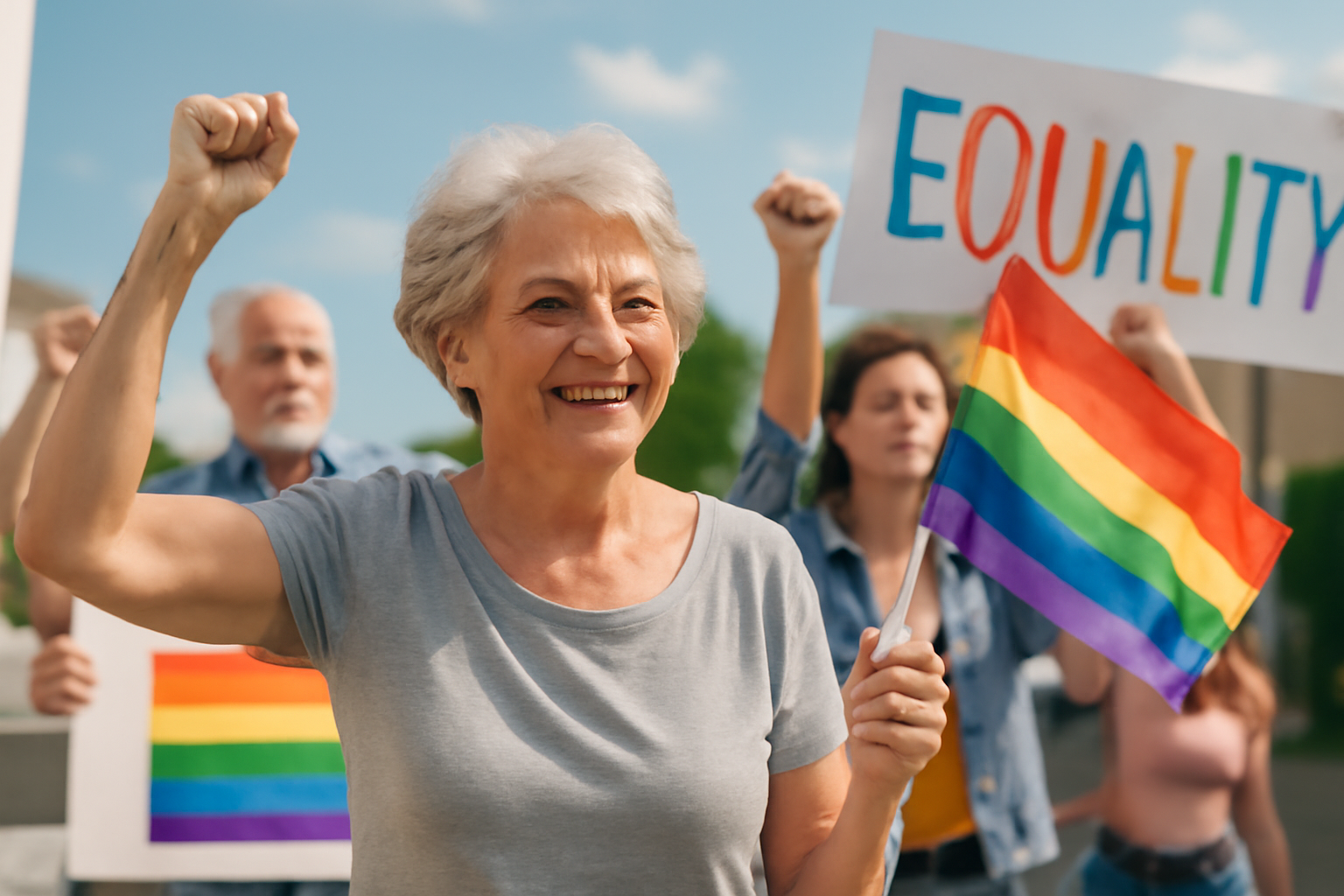
Over recent years, Hungary has found itself at a critical juncture in Europe's LGBTQ+ rights struggles. The government's bold move banning Gay Pride marches has ignited a firestorm, drawing resistance from within and outside Hungary. But instead, activists have turned this challenge on its head, coming up with creative alternatives like "Gray Pride" marches, continuing their unyielding pursuit toward equality and visibility.
A divisive ban on gay pride marches
Under Prime Minister Viktor Orbán, Hungary has taken a hard stance against LGBTQ+ events, defending these actions as a stand in favor of traditional family values. The ban on Gay Pride marches fits within a broader legislative campaign perceived by many as discriminatory against LGBTQ+ people.
This agenda includes constitutional tweaks that confine marriage strictly as a man-and-woman union, along with laws aimed at clamping down discussions involving LGBTQ+ topics in schools and media. Such measures have drawn fierce criticism from global human rights groups, who argue they're at odds with European Union principles and fundamental human rights.
How "gray pride" took shape
Even amid these hurdles, activists continue finding inventive ways to protest and amplify their cause. Enter "Gray Pride," a movement that embodies an unbreakable spirit. The name captures both the seriousness and the wide age range within its ranks, turning "Gray Pride" marches into a powerful emblem of resistance.
Ditching the usual flamboyance and color, "Gray Pride" marches opt for a more muted look with gray clothing and simple signs. This understated vibe emphasizes the gravity of their situation, while showcasing the community's adaptability and determination to have their voices recognized.
Shining a light on wider LGBTQ+ issues in hungarian society
"Gray Pride" goes beyond opposing march bans; it highlights broader challenges that Hungary's LGBTQ+ community faces. For many, these marches become a platform to talk about ongoing discrimination and exclusion. Sharing personal stories about harassment or violence linked to sexual orientation or gender identity helps build solidarity and community spirit.
The movement also reaches out to allies at home and abroad. Gaining backing from European Union members and international human rights groups is key in nuding the Hungarian government to reconsider its position. Attracting global attention is a powerful strategy, and "Gray Pride" events are planned to draw media and rally support for LGBTQ+ rights within Hungary.
An appeal for action and unity
"Gray Pride" ultimately calls individuals and institutions to action. It encourages everyone to stand by the LGBTQ+ community by taking part in events, signing petitions, and having genuine conversations about these important issues.
Educational initiatives are vital here, aiming to bust myths and combat prejudice against LGBTQ+ people. Activists are committed to creating content that informs the public about LGBTQ+ history, rights, and the ongoing fight for equality. The goal is simple: nurture understanding and empathy, pushing toward an inclusive society.
Envisioning a more inclusive tomorrow
There's uncertainty around the future of LGBTQ+ rights within Hungary, but "Gray Pride" shows the fight isn't over yet. As our global society becomes more connected, one group's struggles resonate with many more. "Gray Pride" illustrates that progress is achievable, even under challenging conditions.
As this movement grows, it's offering hope and visibility to those who might feel left out. It signifies a relentless drive for fairness and equity, urging everyone to oppose discrimination. Through unity and solidarity, there's a tremendous strength, and "Gray Pride" is a testament to a community that won't be silenced.
Steady support and activism remain essential to keep this momentum, ensuring that Hungary's LGBTQ+ community's voices are heard far and wide around the globe.
Related Posts
Supreme Court to Address State Bans on Trans Women in Female Sports
The upcoming U.S. Supreme Court term promises to be a pivotal moment for transgender rights, as the nation's highest court has agreed to evaluate whether states have the authority to prohibit transgender women from participating in female sports competitions. This case, scheduled to be argued in the next term beginning October, is expected to have a significant impact on the future of sports inclu [...]
Megan Rapinoe and Sue Bird Announce Amicable Separation After Ten Years Together
In a heartfelt announcement that resonated deeply within the sports and LGBTQ+ communities, soccer star Megan Rapinoe and basketball legend Sue Bird have revealed their decision to part ways after nearly a decade together. The couple, who have been icons both on and off the field, shared the news with their fans through a joint statement on social media, expressing that the choice was made with mu [...]
Groundbreaking Ruling Ends Sodomy Ban for Police and Military in the Dominican Republic
The Constitutional Court of the Dominican Republic recently delivered a landmark decision on November 18th, ruling that the nation’s police and armed forces are not permitted to criminalize consensual same-sex relations among their personnel. This pivotal ruling is a significant stride towards equality and the protection of LGBTQ+ rights within these institutions. A Resounding Victory for Equal [...]