
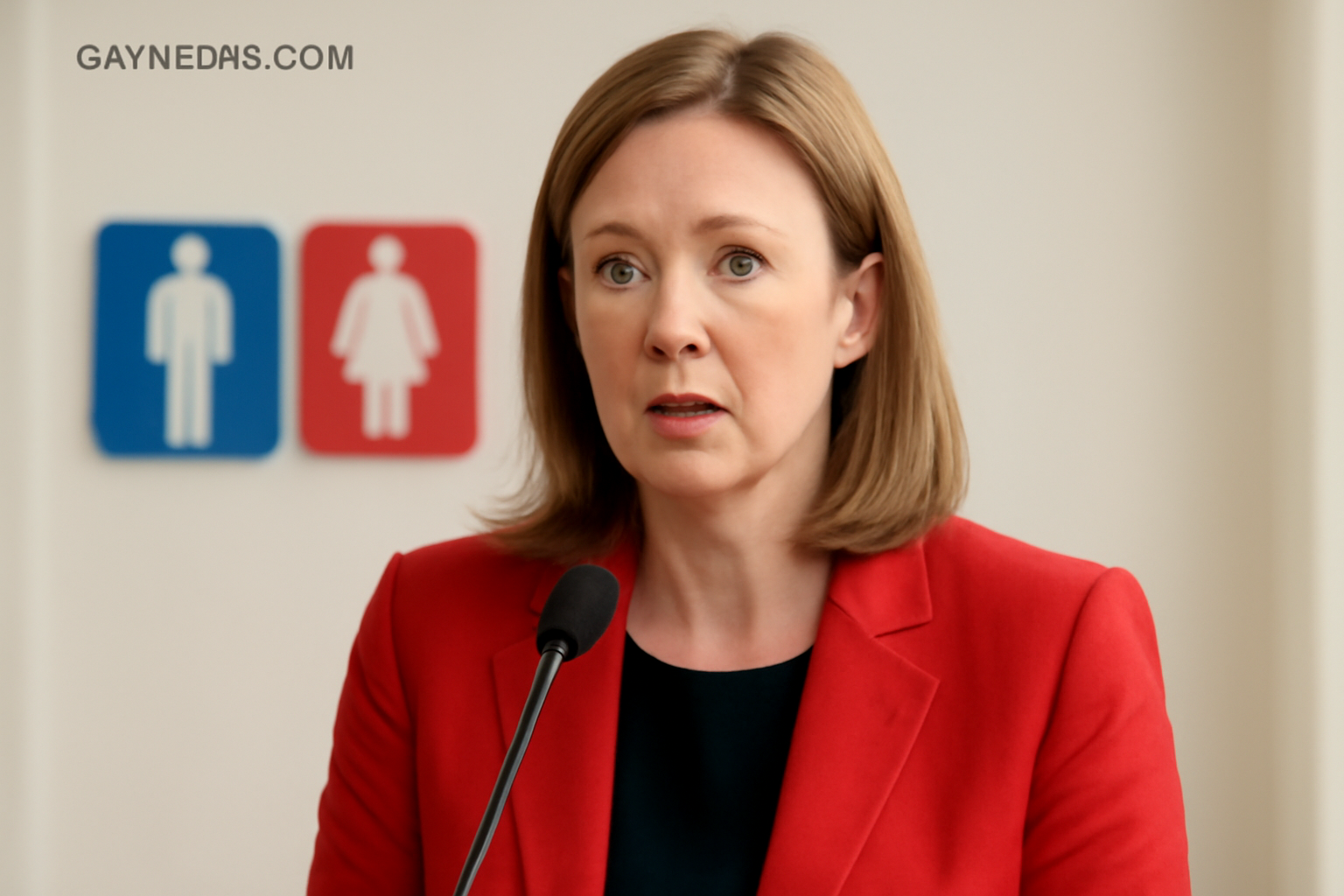
UK Equalities Minister Discusses Supreme Court Ruling on Biological Sex and Single-Sex Spaces
In a recent development, the UK Equalities Minister, Bridget Phillipson, has voiced her stance that trans women should use the facilities that correspond with their "biological sex." This statement comes in the aftermath of a significant ruling by the UK's Supreme Court concerning the legal definitions of sex and gender.
On Wednesday, April 16th, the UK's highest court delivered a ruling that has sparked widespread debate and discussion. The Supreme Court determined that within the context of the 2010 Equality Act, the terms "woman" and "sex" are to be understood as referring to "biological sex." This interpretation has profound implications for how laws and policies concerning gender and single-sex spaces are applied across the country.
The minister elaborated on this issue during an interview on BBC Radio 4’s Today programme. Phillipson emphasized that, in her view, the court’s decision makes it "clear" that public facilities and services should be accessed based on "biological sex." She also addressed the issue of women’s toilets, affirming that "the ruling is clear" in this regard. Furthermore, she mentioned that "biological women" should be ensured access to "safe, therapeutic spaces," while stressing the importance of dignity and respect for all individuals in society.
Political Reactions and Future Implications
The Supreme Court's decision has elicited a range of responses from political figures. Prime Minister Keir Starmer expressed his satisfaction with the ruling. Speaking with BBC News, a spokesperson for the Prime Minister confirmed that Starmer regards the judgement as definitive, saying, "No, the Supreme Court judgement has made clear that, when looking at the Equality Act, a woman is a biological woman." This statement indicates a shift in the government’s stance on gender identity issues as they pertain to legal definitions.
Additionally, the government signaled its intent to proceed based on the Supreme Court's interpretation, potentially paving the way for new legislation that could solidify the court's decision into law. Bridget Phillipson had previously advocated for measures that would prevent trans women from entering female-only spaces, underscoring the need for "additional guidance and a statutory code of practice" to be established by the Equality and Human Rights Commission (EHRC).
The EHRC chairwoman, Baroness Kishwer Falkner, has remarked on the substantial impact of the Supreme Court's ruling. She asserted that the decision was "enormously consequential" and indicated a commitment to ensuring organizations comply with updated policies. "Single-sex services like changing rooms must be based on biological sex," Falkner declared, suggesting that the EHRC will be proactive in enforcing these standards.
Public Response and Ongoing Discussions
The legal and political developments have not gone unnoticed by the public. In the wake of the ruling, protests erupted over the weekend, highlighting the contentious nature of the issue. Home Secretary Yvette Cooper addressed the demonstrations, which included instances of graffiti on seven statues in London. However, her focus remained on maintaining public order rather than delving into the motivations behind the protests.
Despite the Supreme Court's decision, it is important to note that the ruling does not automatically compel transgender women to cease using single-sex spaces. Rather, it sets a legal precedent that may inform future legislative efforts. As the government and advocacy groups continue to navigate this complex issue, public discourse remains vital.
We invite you to share your thoughts on this topic. How do you feel about the Supreme Court's ruling and the statements from government officials? Join the discussion in the comments section, and please remember to engage respectfully.
Related Posts
Supreme Court to Address State Bans on Trans Women in Female Sports
The upcoming U.S. Supreme Court term promises to be a pivotal moment for transgender rights, as the nation's highest court has agreed to evaluate whether states have the authority to prohibit transgender women from participating in female sports competitions. This case, scheduled to be argued in the next term beginning October, is expected to have a significant impact on the future of sports inclu [...]
Megan Rapinoe and Sue Bird Announce Amicable Separation After Ten Years Together
In a heartfelt announcement that resonated deeply within the sports and LGBTQ+ communities, soccer star Megan Rapinoe and basketball legend Sue Bird have revealed their decision to part ways after nearly a decade together. The couple, who have been icons both on and off the field, shared the news with their fans through a joint statement on social media, expressing that the choice was made with mu [...]
Groundbreaking Ruling Ends Sodomy Ban for Police and Military in the Dominican Republic
The Constitutional Court of the Dominican Republic recently delivered a landmark decision on November 18th, ruling that the nation’s police and armed forces are not permitted to criminalize consensual same-sex relations among their personnel. This pivotal ruling is a significant stride towards equality and the protection of LGBTQ+ rights within these institutions. A Resounding Victory for Equal [...]