
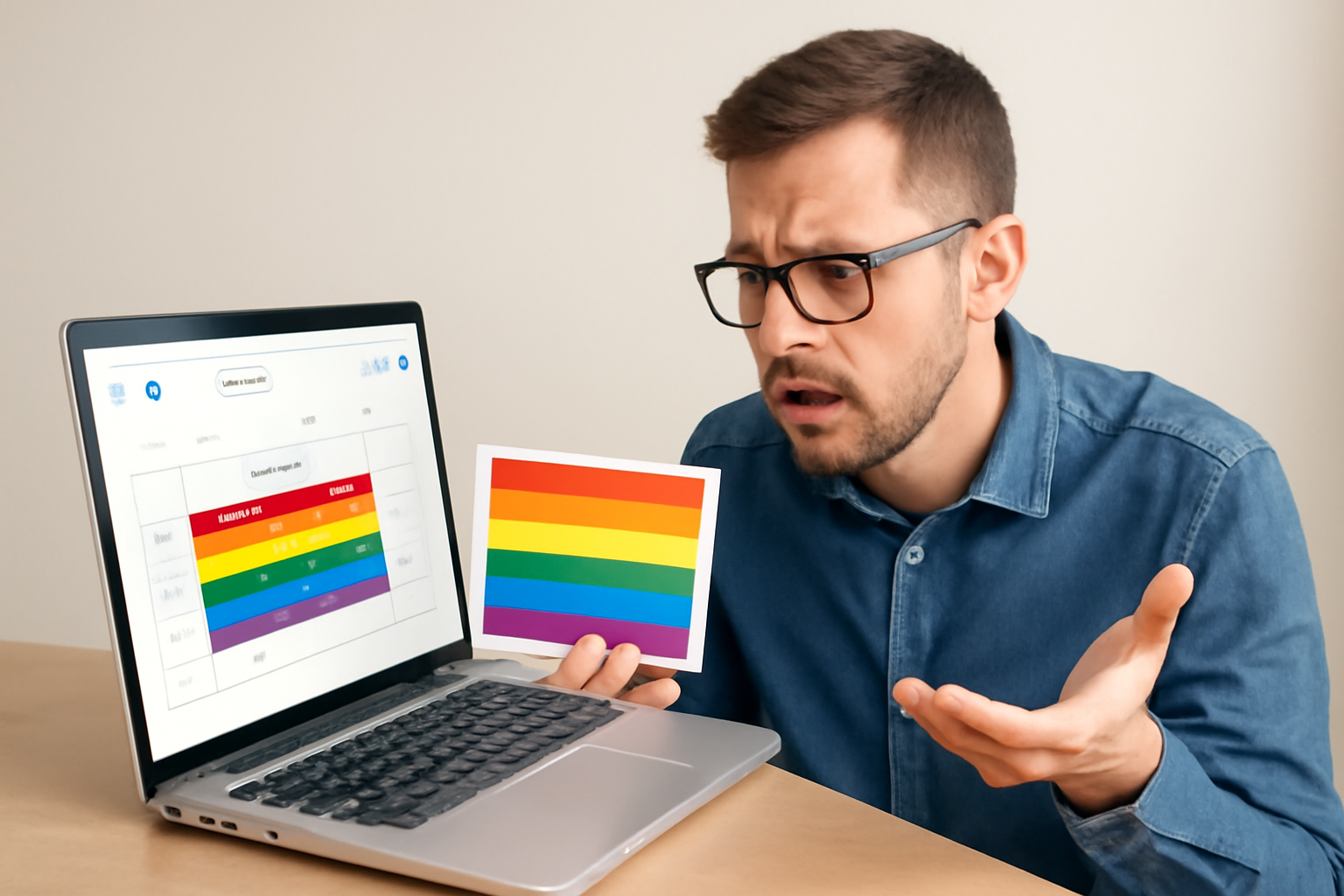
Google Calendar cuts cultural observances: What's going on?
Google Calendar's latest move has left many scratching their heads. They've taken off some key cultural observances like Black History Month, Pride Month, and Women's History Month. Naturally, this has sparked a lot more than just a few conversations—people are genuinely worried and curious about why Google made this call.
What's behind Google's decision?
So, what's Google's reasoning? They said they decided not just on a whim but due in part due long-running logistical issues. A Google spokesperson explained, "A few years back, we began manually adding numerous cultural events from around different countries. But, we got feedback suggesting many events and places were still missed. Keeping track and updating all these manually on a global scale was just too much." Makes sense, but does it, really?
What's going on with diversity and inclusion?
This isn't an isolated incident. There's been a noticeable shift in big companies like Amazon and Meta as they rethink their diversity and inclusion strategies. Once at diversity's cutting edge, Google has even relaxed its efforts in recruiting from minority backgrounds. This pullback exists alongside a broader socio-political climate, where figures like former President Donald Trump have labeled DEI efforts as both inefficient and costly.
Remember Google's Gulf Maps mix-up?
Speaking about controversial moves, remember when Google Maps briefly renamed parts? Yeah, they renamed parts, like calling part Gulf Mexico "Gulf America," but only showing this change in America. The BBC reported this was linked back presidential order from Trump. Wild, isn't it?
How's everyone reacting?
People haven't stayed quiet about Google Calendar's cultural erasures. Disappointed doesn't begin cover reactions from many individuals and organizations. For these communities that have long fought recognition and inclusion, seeing their observances dropped from a platform as vast as Google's feels like a backward step.
In a similar vein, companies like Walmart, Ford, Lowe's, Harley-Davidson, and Jack Daniel's have pulled back on their DEI programs, seemingly swayed anti-DEI campaigns right-wing influencers like Robby Starbuck. Even so, some firms resist, hanging onto diversity initiatives. Apple's board, in particular, urged shareholders not ditch equality efforts.
What's ahead diversity and inclusion?
These changes pose big questions about diversity and inclusion's future in corporate policies. As some back away, there's worry that recent progress could be in jeopardy. Removing observances from Google Calendar might seem like a small technicality, but it reflects larger shifts in priorities and social attitudes.
Let's talk about it
This isn't a closed topic. Plenty are voicing their thoughts on how we should recognize and celebrate diversity daily, across varied platforms. Observances like Black History Month, Pride Month, and Women's History Month? They're much more than dates. They're tributes struggles, triumphs, and contributions from marginalized groups.
As this conversation continues, it's key that both people and companies engage in meaningful discussions on diversity and inclusion's value. It's these exchanges that can help ensure cultural events and achievements remain front and center in our interconnected, globalized society.
What do you think?
We want hear from you. How do you feel about these observances vanishing from Google Calendar? Do you see it impacting awareness and acknowledgment cultural events? Share your thoughts below. Let's keep things respectful and constructive.
Tags: Google Calendar, Diversity and Inclusion, Cultural Observances, Corporate Policies, LGBTQ+ News
Related Posts
Supreme Court to Address State Bans on Trans Women in Female Sports
The upcoming U.S. Supreme Court term promises to be a pivotal moment for transgender rights, as the nation's highest court has agreed to evaluate whether states have the authority to prohibit transgender women from participating in female sports competitions. This case, scheduled to be argued in the next term beginning October, is expected to have a significant impact on the future of sports inclu [...]
Megan Rapinoe and Sue Bird Announce Amicable Separation After Ten Years Together
In a heartfelt announcement that resonated deeply within the sports and LGBTQ+ communities, soccer star Megan Rapinoe and basketball legend Sue Bird have revealed their decision to part ways after nearly a decade together. The couple, who have been icons both on and off the field, shared the news with their fans through a joint statement on social media, expressing that the choice was made with mu [...]
Groundbreaking Ruling Ends Sodomy Ban for Police and Military in the Dominican Republic
The Constitutional Court of the Dominican Republic recently delivered a landmark decision on November 18th, ruling that the nation’s police and armed forces are not permitted to criminalize consensual same-sex relations among their personnel. This pivotal ruling is a significant stride towards equality and the protection of LGBTQ+ rights within these institutions. A Resounding Victory for Equal [...]