
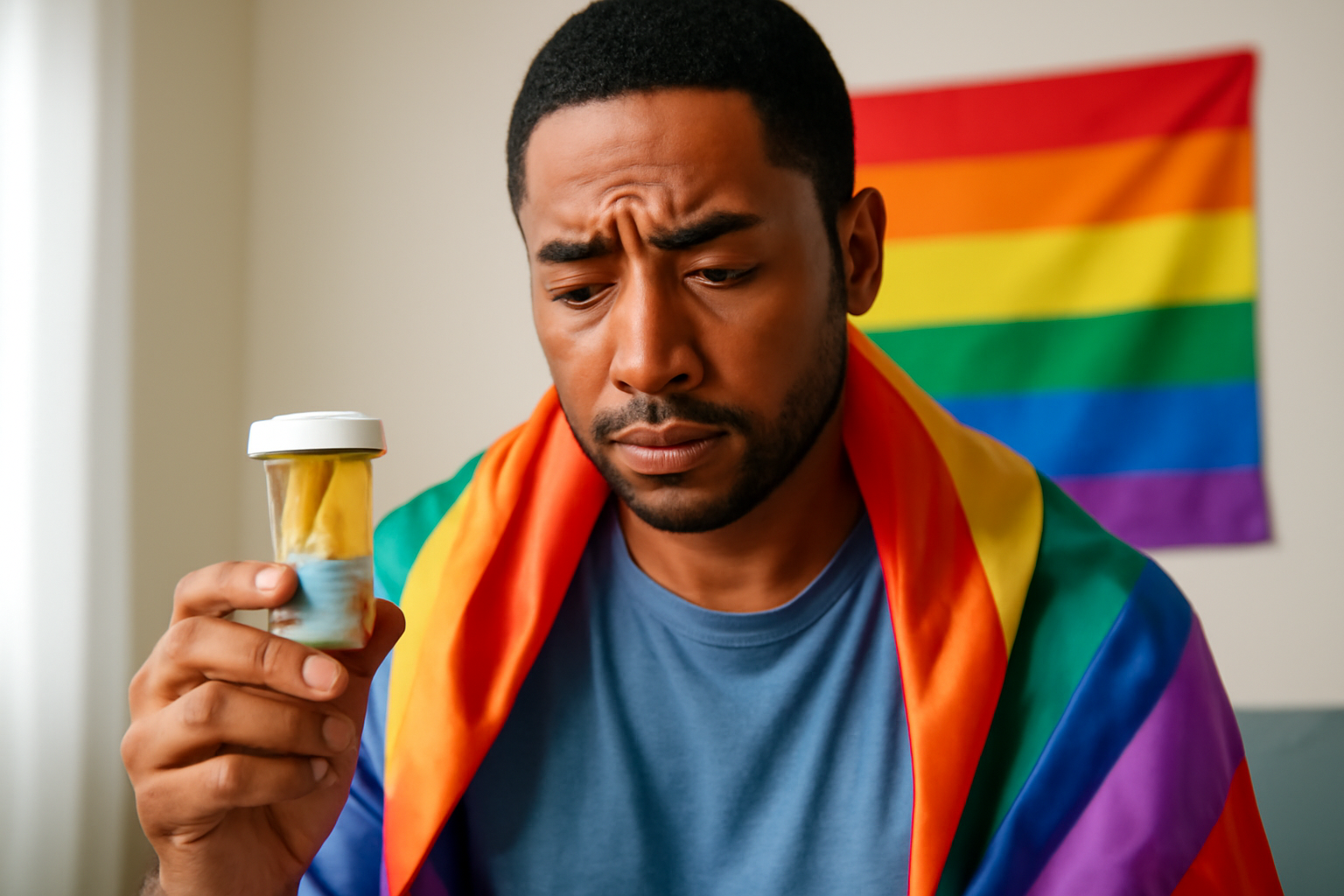
The global LGBTQ+ community has been dealt a significant blow as recent policy changes threaten access to essential HIV prevention medications. These medications, which have been crucial in the fight against HIV/AIDS, are now at risk due to new funding restrictions. This development has sparked concern among health advocates and LGBTQ+ rights groups worldwide.
The Importance of HIV Prevention Medications
HIV prevention medications, commonly known as pre-exposure prophylaxis (PrEP), have been hailed as a game-changer in the fight against HIV/AIDS. These drugs significantly reduce the risk of HIV transmission, especially among vulnerable groups such as LGBTQ+ individuals. Access to PrEP has been a critical component in reducing the incidence of new HIV infections globally.
However, the recent policy shifts have raised alarms. Organizations that rely on international funding to provide these life-saving medications may find themselves unable to continue their work. This could lead to increased HIV transmission rates, particularly in areas where the LGBTQ+ community already faces significant health disparities.
Impact on Vulnerable Communities
The LGBTQ+ community, especially in low- and middle-income countries, is disproportionately affected by HIV/AIDS. Funding cuts to HIV prevention programs can have devastating effects, reversing years of progress made in reducing new infections. For many, these programs offer the only viable means of accessing PrEP and other essential healthcare services.
Health organizations have expressed concern that such policy changes could result in a public health crisis. The potential increase in HIV cases poses not only a health risk but also a significant economic burden on healthcare systems ill-equipped to handle a surge in infections.
Response from Health Advocates
In response to these changes, health advocates are calling for immediate action to restore funding and support for HIV prevention programs. Many argue that the decision to cut funding is short-sighted and fails to consider the long-term benefits of continued investment in HIV prevention.
Advocacy groups are mobilizing at both local and international levels to raise awareness and press for policy reversals. They emphasize that access to PrEP is a human rights issue, and restricting it undermines the progress made in global health initiatives.
The Path Forward
Despite the challenges, there is hope. Numerous organizations are exploring alternative funding mechanisms to ensure that vulnerable communities do not lose access to HIV prevention medications. Partnership with private donors, philanthropic organizations, and local governments could provide a lifeline for these essential programs.
Moreover, community-driven initiatives are gaining traction. Local advocates are stepping up to create awareness, offer support, and push for legislative changes that prioritize the health and well-being of the LGBTQ+ community. These grassroots efforts highlight the resilience and resourcefulness of those affected by these policy changes.
In conclusion, while the recent policy shifts pose significant challenges, the global community's response demonstrates a commitment to continue the fight against HIV/AIDS. By working together, advocates and organizations can overcome these obstacles and ensure that all individuals have access to the healthcare they need and deserve.
Related Posts
Supreme Court to Address State Bans on Trans Women in Female Sports
The upcoming U.S. Supreme Court term promises to be a pivotal moment for transgender rights, as the nation's highest court has agreed to evaluate whether states have the authority to prohibit transgender women from participating in female sports competitions. This case, scheduled to be argued in the next term beginning October, is expected to have a significant impact on the future of sports inclu [...]
Megan Rapinoe and Sue Bird Announce Amicable Separation After Ten Years Together
In a heartfelt announcement that resonated deeply within the sports and LGBTQ+ communities, soccer star Megan Rapinoe and basketball legend Sue Bird have revealed their decision to part ways after nearly a decade together. The couple, who have been icons both on and off the field, shared the news with their fans through a joint statement on social media, expressing that the choice was made with mu [...]
Groundbreaking Ruling Ends Sodomy Ban for Police and Military in the Dominican Republic
The Constitutional Court of the Dominican Republic recently delivered a landmark decision on November 18th, ruling that the nation’s police and armed forces are not permitted to criminalize consensual same-sex relations among their personnel. This pivotal ruling is a significant stride towards equality and the protection of LGBTQ+ rights within these institutions. A Resounding Victory for Equal [...]