
France
In France, the recent passing of Jean-Marie Le Pen, founder of the far-right National Rally party, sparked widespread reaction across the nation. Le Pen, who died at the age of 96 on January 7, was known for his controversial and often inflammatory remarks, especially against immigrants, Muslims, and the LGBTQ+ community. Throughout his political career, spanning decades, Le Pen ran for the presidency of France five times, notably reaching the second round in the 2002 election, only to be defeated by Jacques Chirac in a historic landslide.
Le Pen's rhetoric often targeted the LGBTQ+ community. In 2018, he was found guilty by a French court of spreading hate against homosexuals and was fined for his actions. His controversial statements included linking homosexuality to pedophilia, making derogatory comments about having gay members in his party, and expressing distaste for the husband of a slain gay police officer speaking at a state funeral.
Moreover, Le Pen's problematic views extended beyond LGBTQ+ issues. In the 1980s, he advocated for the forced isolation of individuals living with HIV. He also garnered criticism for his remarks downplaying the Holocaust, which led to multiple fines. His statements often showed sympathy for those who collaborated with the Nazi regime during World War II.
Despite his divisive legacy, Le Pen's influence within the National Rally was substantial. However, in 2015, his daughter Marine Le Pen, who had taken over the party in 2011, expelled him following his refusal to comply with party disciplinary measures over his persistent Holocaust denial.
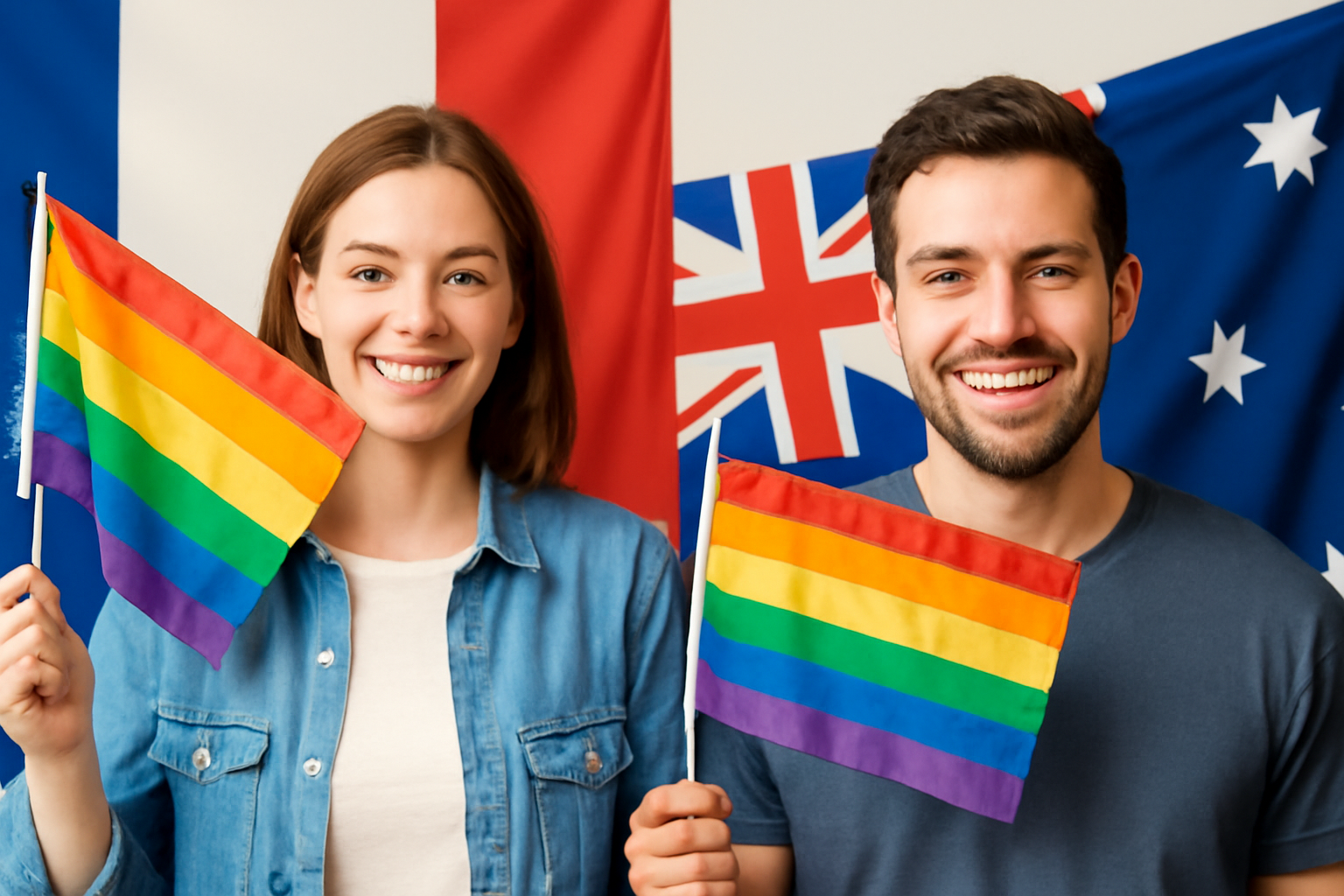
Following the announcement of Le Pen's death, a gathering occurred at Paris's Place de la République, where individuals celebrated, waving Pride flags and tossing confetti. Social media saw the rise of the hashtag "NoOneMournsTheWicked," a nod to the viral memes referencing the song from the musical "Wicked." Interestingly, the same hashtag trended in the United States shortly after, coinciding with the death of Anita Bryant, another prominent figure known for her anti-LGBTQ+ views in the 1980s.
Australia
In Australia, Melbourne's well-known Pride festival, Midsumma, has been at the center of controversy. The organization Transgender Victoria announced that it would not participate in this year's parade, a decision driven by concerns over police involvement in the event. This announcement was accompanied by a wave of vandalism targeting businesses supporting the festival.
On January 8, businesses along the parade route found themselves vandalized with posters and spray paint calling for a boycott of Midsumma. Surveillance footage captured a group of masked individuals responsible for the acts, though they remain unidentified. The messages on the posters criticized the commercialization of Pride and the participation of police in the festival.
Statements such as "Queer liberation not rainbow capitalism" and "No Pride on stolen land" were prominently displayed, highlighting a tension within the community regarding the direction and inclusivity of such events. Despite the vandalism, businesses managed to clean up the damage swiftly.
Transgender Victoria elaborated on their decision via social media, pointing to a community forum and survey revealing significant discontent among trans and gender-diverse individuals concerning their experiences with Victoria Police. Consequently, TGV decided to suspend its participation in the Midsumma Pride March for a year, with future involvement dependent on measurable accountability from law enforcement.
While stepping back from the main parade, Transgender Victoria plans to engage in other elements of the Midsumma Festival and will organize a Trans Pride Picnic as an alternative gathering. The festival, which runs from January 19 to February 9, features the Midsumma Pride March on February 2 and Victoria's Pride Street Party on February 9.
Last year's Pride march was marked by conflict when protesters threw pink paint at a group of police officers participating in the parade. The officers, who had agreed to march without uniforms or weapons, were seen pushing back against the demonstrators. These events have added to the ongoing conversation about the role of law enforcement in LGBTQ+ celebrations and the broader implications of corporate sponsorships in such cultural events.
Related Posts
Supreme Court to Address State Bans on Trans Women in Female Sports
The upcoming U.S. Supreme Court term promises to be a pivotal moment for transgender rights, as the nation's highest court has agreed to evaluate whether states have the authority to prohibit transgender women from participating in female sports competitions. This case, scheduled to be argued in the next term beginning October, is expected to have a significant impact on the future of sports inclu [...]
Megan Rapinoe and Sue Bird Announce Amicable Separation After Ten Years Together
In a heartfelt announcement that resonated deeply within the sports and LGBTQ+ communities, soccer star Megan Rapinoe and basketball legend Sue Bird have revealed their decision to part ways after nearly a decade together. The couple, who have been icons both on and off the field, shared the news with their fans through a joint statement on social media, expressing that the choice was made with mu [...]
Groundbreaking Ruling Ends Sodomy Ban for Police and Military in the Dominican Republic
The Constitutional Court of the Dominican Republic recently delivered a landmark decision on November 18th, ruling that the nation’s police and armed forces are not permitted to criminalize consensual same-sex relations among their personnel. This pivotal ruling is a significant stride towards equality and the protection of LGBTQ+ rights within these institutions. A Resounding Victory for Equal [...]