
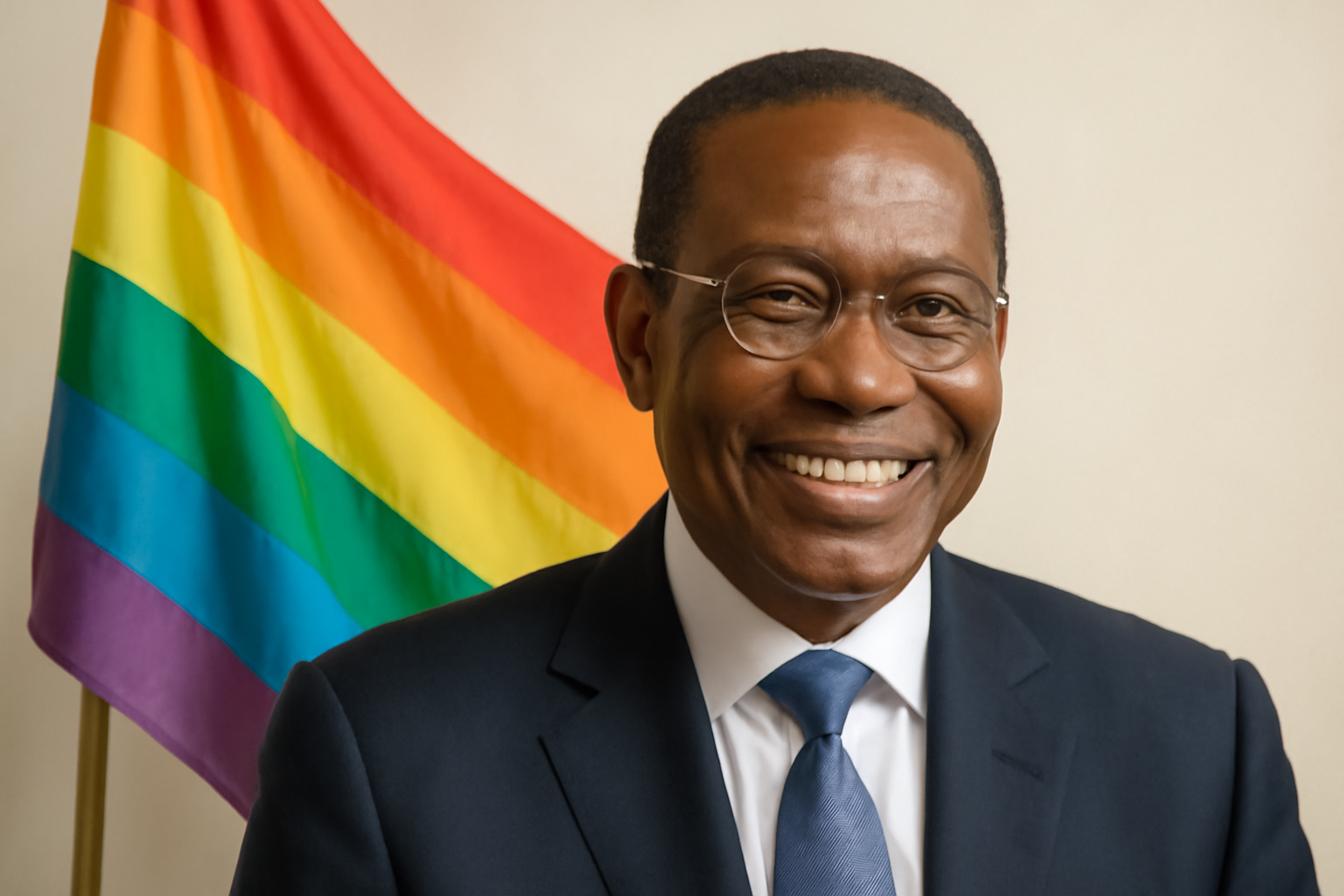
The President of Ghana has recently announced that a controversial legislative proposal, which sought to criminalize LGBTQ+ identities and advocacy, is now "effectively dead." This declaration comes as a relief to many within the LGBTQ+ community and their supporters, who have been actively opposing this bill.
The Controversial Bill's Journey
Known as the Promotion of Proper Human Sexual Rights and Ghanaian Family Values bill, this legislation aimed to impose harsher penalties on LGBTQ+ individuals and those associated with queer advocacy. It would have reinforced existing anti-LGBTQ+ laws by introducing severe punishments. For instance, identifying as LGBTQ+ could have led to a prison term of up to three years, while organizing or financing LGBTQ+ groups could result in a five-year sentence. Particularly concerning was the clause targeting LGBTQ+ advocacy directed at minors, which carried a potential ten-year imprisonment.
Despite being passed by Members of Parliament (MPs) last February, the bill required the approval of the then-president Nana Akufo-Addo to be enacted into law. However, due to the dissolution of parliament, this ratification never took place. The current President, John Mahama, who assumed office on January 7, explained that since the bill did not reach the president's desk for signing before the end of the parliamentary session, it has essentially expired.
Public Reaction and Ongoing Concerns
President Mahama's statement suggests that, for now, the bill is no longer an immediate threat. "I don’t know what the promoters of the bill intend to do but I think we should have a conversation about it again," Mahama stated. "As far as I know, the bill did not get to the president. The convention is that all bills that are not assented to law before the expiration of the life of parliament, expire. So, that bill effectively is dead."
Despite the apparent demise of the bill, activists and members of the LGBTQ+ community in Ghana remain vigilant. The legal framework in Ghana continues to reflect colonial-era attitudes towards LGBTQ+ rights. According to rights groups, such as Equaldex, being gay remains illegal for men in Ghana, and there are no legal protections against discrimination based on sexual orientation or gender identity. Furthermore, changing one's gender, same-sex marriage, and adoption by same-sex couples are all prohibited under Ghanaian law.
In response to the bill's initial passage, LGBTQ+ advocates and allies organized protests, including gatherings outside the Ghana High Commission in London. The momentum of these protests highlights a broader international concern over the rights of LGBTQ+ persons in Ghana.
The Broader Context
The discussion surrounding this bill has drawn attention to the ongoing challenges faced by LGBTQ+ individuals in Ghana. Activists argue that even with the bill's failure to become law, the social environment remains hostile. Prince Frimpong, a noted activist, expressed fears that the bill could have ignited a "witch hunt" against people suspected of being LGBTQ+.
The situation in Ghana reflects a wider struggle across many African countries, where colonial-era laws and societal norms continue to criminalize and stigmatize LGBTQ+ people. While some progress has been made in different regions, the fight for equality and protection under the law remains an uphill battle.
As Ghanaian society debates these issues, there is hope that President Mahama's call for a renewed conversation could pave the way for more inclusive and protective legislation in the future. However, the path forward will require sustained advocacy and dialogue among all stakeholders, including lawmakers, activists, and the broader public.
We invite our readers to share their thoughts and continue this important conversation. Your voices are crucial in advocating for a more just and equitable world for everyone.
Let us know your opinions in the comments below, and please engage respectfully as we discuss these critical issues.
Related Posts
Supreme Court to Address State Bans on Trans Women in Female Sports
The upcoming U.S. Supreme Court term promises to be a pivotal moment for transgender rights, as the nation's highest court has agreed to evaluate whether states have the authority to prohibit transgender women from participating in female sports competitions. This case, scheduled to be argued in the next term beginning October, is expected to have a significant impact on the future of sports inclu [...]
Megan Rapinoe and Sue Bird Announce Amicable Separation After Ten Years Together
In a heartfelt announcement that resonated deeply within the sports and LGBTQ+ communities, soccer star Megan Rapinoe and basketball legend Sue Bird have revealed their decision to part ways after nearly a decade together. The couple, who have been icons both on and off the field, shared the news with their fans through a joint statement on social media, expressing that the choice was made with mu [...]
Groundbreaking Ruling Ends Sodomy Ban for Police and Military in the Dominican Republic
The Constitutional Court of the Dominican Republic recently delivered a landmark decision on November 18th, ruling that the nation’s police and armed forces are not permitted to criminalize consensual same-sex relations among their personnel. This pivotal ruling is a significant stride towards equality and the protection of LGBTQ+ rights within these institutions. A Resounding Victory for Equal [...]