
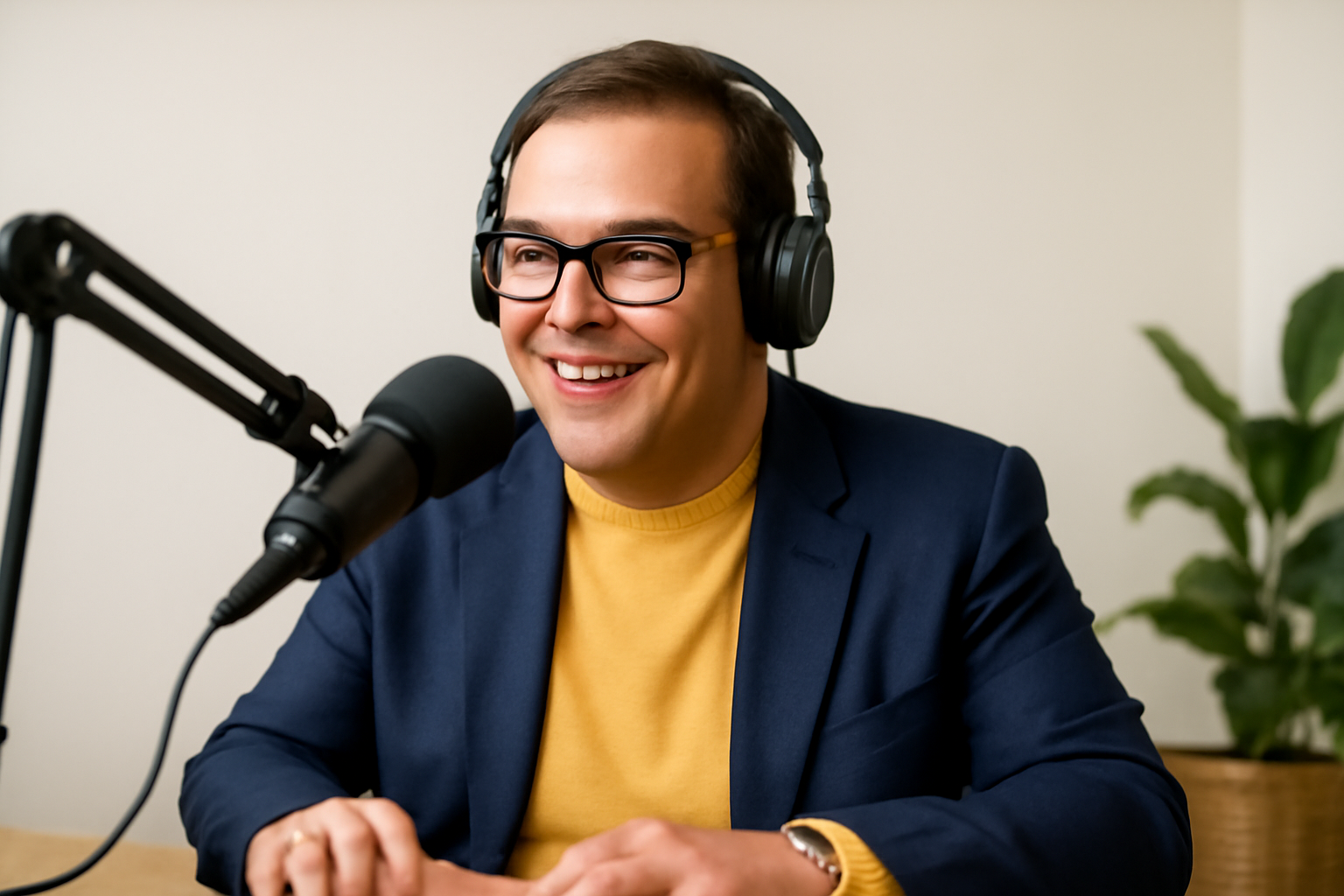
Recently, Representative George Santos has made headlines again by requesting a delay in his upcoming sentencing hearing. The reason he has provided for this postponement is somewhat unconventional, as it relates to his commitments to a podcast that he hosts. This situation has sparked a mix of reactions from the public and media alike, highlighting the intersection between legal responsibilities and digital media commitments in today’s interconnected world.
The Background of George Santos' Case
George Santos, a public figure known for his involvement in politics, has been embroiled in legal issues leading to a sentencing hearing. The details of his case involve charges that have been widely covered by various media outlets, painting a picture of a complex situation that has captured public attention. As sentencing approaches, Santos has found himself at a crossroads, balancing his legal responsibilities with his professional commitments.
The request for a delay in sentencing is not an uncommon legal maneuver, and defendants often have various reasons for seeking such postponements. However, Santos' reasoning stands out due to its connection with his podcasting duties. This request brings to light the unique challenges faced by individuals who have careers that straddle both the traditional and digital realms.
The Role of the Podcast
George Santos' podcast has become a significant part of his public persona, allowing him to connect with audiences on a more personal level. In today’s digital age, podcasts serve as a powerful medium for public figures to express their views, engage with listeners, and build a community around shared interests. Santos' podcast covers a range of topics, often delving into political discourse, social issues, and personal anecdotes.
In his request to the judge, Santos emphasized the importance of his podcasting commitments, stating that it is a crucial platform for him to maintain his voice in the public sphere. He argued that the timing of his sentencing conflicts with planned podcast episodes that are essential for him to fulfill his obligations to his audience and sponsors.
Responses to the Request
The reaction to Santos' request has been mixed. Supporters argue that in the modern age, digital commitments such as podcasting should be given consideration similar to other professional obligations. They believe that the nature of media and communication has evolved, and legal systems should adapt to these changes.
Critics, however, see this move as an attempt to shirk legal responsibilities under the guise of media obligations. They argue that legal matters should take precedence over professional engagements, regardless of their nature. This perspective highlights ongoing debates about how new media formats are valued in relation to traditional legal and professional systems.
The Broader Implications
This case raises important questions about how the judicial system can accommodate the evolving landscape of professional commitments. As more individuals engage in digital media production—whether through podcasts, YouTube channels, or other platforms—the need to understand and integrate these roles into existing legal frameworks becomes increasingly pertinent.
Santos' situation underscores the growing importance of digital media in public life and the potential challenges it presents. It also prompts a discussion on how legal systems can balance respecting digital commitments while upholding the rule of law.
Ultimately, the decision on whether to grant the postponement rests with the judge, who must weigh the merits of Santos' request against the broader principles of justice and fairness. Regardless of the outcome, this case is likely to set a precedent for how similar requests are handled in the future.
Related Posts
Supreme Court to Address State Bans on Trans Women in Female Sports
The upcoming U.S. Supreme Court term promises to be a pivotal moment for transgender rights, as the nation's highest court has agreed to evaluate whether states have the authority to prohibit transgender women from participating in female sports competitions. This case, scheduled to be argued in the next term beginning October, is expected to have a significant impact on the future of sports inclu [...]
Megan Rapinoe and Sue Bird Announce Amicable Separation After Ten Years Together
In a heartfelt announcement that resonated deeply within the sports and LGBTQ+ communities, soccer star Megan Rapinoe and basketball legend Sue Bird have revealed their decision to part ways after nearly a decade together. The couple, who have been icons both on and off the field, shared the news with their fans through a joint statement on social media, expressing that the choice was made with mu [...]
Groundbreaking Ruling Ends Sodomy Ban for Police and Military in the Dominican Republic
The Constitutional Court of the Dominican Republic recently delivered a landmark decision on November 18th, ruling that the nation’s police and armed forces are not permitted to criminalize consensual same-sex relations among their personnel. This pivotal ruling is a significant stride towards equality and the protection of LGBTQ+ rights within these institutions. A Resounding Victory for Equal [...]