
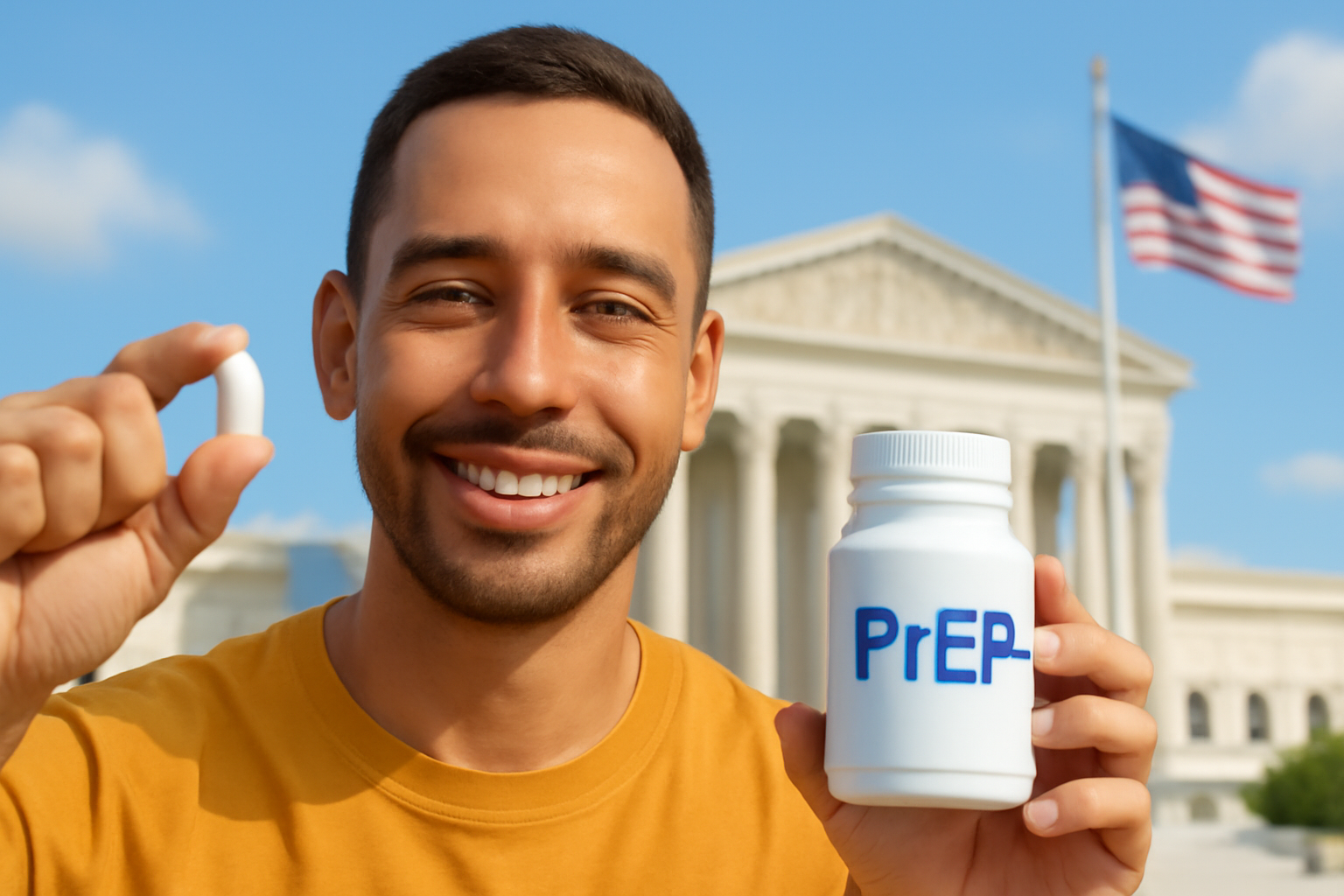
The Importance of PrEP in LGBTQ+ Health
Pre-exposure prophylaxis, commonly known as PrEP, is a revolutionary medication that has significantly contributed to HIV prevention, particularly in the LGBTQ+ community. PrEP is a daily pill that, when taken consistently, is highly effective at preventing HIV transmission. This medication has been a game-changer for many individuals, especially those who are at higher risk of exposure to HIV.
The accessibility and affordability of PrEP are crucial for maintaining the health and well-being of many people in the LGBTQ+ community. The medication has empowered individuals to take control of their health, providing peace of mind and reducing the fear of contracting HIV. However, the question of whether PrEP will remain free or affordable for those who need it is now in the hands of the Supreme Court.
The Legal Battle Over Free PrEP
The legal status of free PrEP is being challenged, and the outcome could have significant implications for public health. The case brought before the Supreme Court involves issues of healthcare funding and access, particularly for preventive medications like PrEP. The core of the debate centers around whether insurance companies and government programs should be required to cover PrEP at no cost to the user.
Advocates for maintaining free access to PrEP argue that the medication is essential for preventing the spread of HIV and reducing healthcare costs in the long term. By providing PrEP at no cost, individuals who might not otherwise afford the medication can access it, thereby contributing to wider public health benefits. However, opponents question the financial burden on insurance companies and government healthcare programs, raising debates about cost-sharing and policy priorities.
Potential Impact of the Supreme Court Decision
If the Supreme Court decides against maintaining free access to PrEP, the ramifications could be far-reaching. Individuals who rely on PrEP for their health may face financial barriers that prevent them from accessing the medication. This could lead to increased HIV transmission rates, reversing the progress that has been made in reducing new HIV infections.
On the other hand, a decision in favor of keeping PrEP free could solidify the importance of preventive healthcare measures in addressing public health challenges. It would also reinforce the commitment to ensuring that all individuals, regardless of their economic status, have access to life-saving medications.
Community Response and Advocacy
The LGBTQ+ community, along with health advocates, are closely monitoring the developments of this case. Many organizations are mobilizing efforts to advocate for the continued access to free PrEP. Educational campaigns and community outreach are being conducted to raise awareness about the importance of PrEP and the potential consequences of the Supreme Court's decision.
Individuals are encouraged to contact their representatives, participate in advocacy groups, and share their stories to highlight the personal impact that losing access to free PrEP could have. The community's voice is vital in shaping the discourse around this issue and influencing policy decisions.
Looking Ahead
As the Supreme Court deliberates on the future of free PrEP, it is important for individuals to stay informed and engaged. The decision will not only affect those who currently rely on PrEP but will also set a precedent for how preventive healthcare is approached in the future.
Regardless of the outcome, the fight for equitable healthcare access continues. The LGBTQ+ community has historically been at the forefront of advocating for healthcare rights, and this issue is no different. Building on this legacy, community members and allies are determined to ensure that progress in HIV prevention is not hindered by legal and financial barriers.
In conclusion, the Supreme Court's decision on the availability of free PrEP will have profound implications for public health and individual well-being. It is a reminder of the ongoing need to advocate for comprehensive and accessible healthcare for all.
Related Posts
Supreme Court to Address State Bans on Trans Women in Female Sports
The upcoming U.S. Supreme Court term promises to be a pivotal moment for transgender rights, as the nation's highest court has agreed to evaluate whether states have the authority to prohibit transgender women from participating in female sports competitions. This case, scheduled to be argued in the next term beginning October, is expected to have a significant impact on the future of sports inclu [...]
Megan Rapinoe and Sue Bird Announce Amicable Separation After Ten Years Together
In a heartfelt announcement that resonated deeply within the sports and LGBTQ+ communities, soccer star Megan Rapinoe and basketball legend Sue Bird have revealed their decision to part ways after nearly a decade together. The couple, who have been icons both on and off the field, shared the news with their fans through a joint statement on social media, expressing that the choice was made with mu [...]
Groundbreaking Ruling Ends Sodomy Ban for Police and Military in the Dominican Republic
The Constitutional Court of the Dominican Republic recently delivered a landmark decision on November 18th, ruling that the nation’s police and armed forces are not permitted to criminalize consensual same-sex relations among their personnel. This pivotal ruling is a significant stride towards equality and the protection of LGBTQ+ rights within these institutions. A Resounding Victory for Equal [...]