
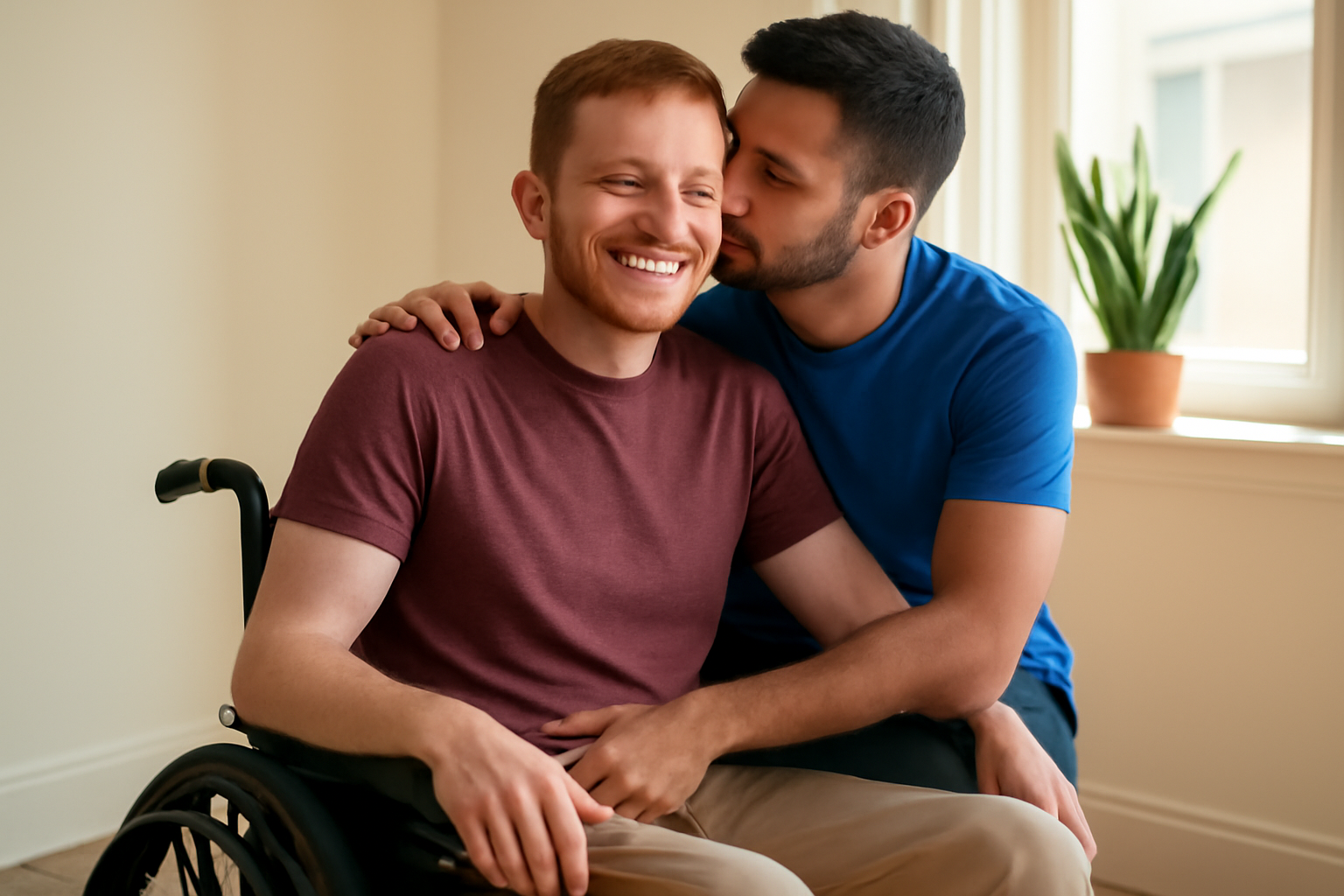
When I was 19 and had just moved away from my hometown, I found myself in a new world away from the watchful eyes of my family. I was eager to explore my sexuality in ways I hadn’t before. Every night after class, I logged onto a gay website, seeking my first sexual encounter. Eventually, I connected with someone who didn’t mind that I was a wheelchair user. After some conversations about what we both desired, he agreed to visit me.
The anticipation was palpable as he arrived at my dorm. I needed assistance to get into bed and undress, tasks I couldn’t do on my own. When he helped me, I felt a rush of emotions. We shared intimate kisses, and soon, the experience culminated in a way that was quicker than either of us expected. As we lay together, I asked him, hopefully, about our future. He looked at me and said, “Oh, no, we’re not dating. I just felt bad for you. This was just a pity encounter.”
Realizations and Reflections
Up until that moment, I believed that the queer community, having faced oppression, was a haven of acceptance for everyone. This experience shattered that illusion and marked a turning point in my life. It was then that I realized I needed to advocate for my identity as both queer and disabled.
As I grew older, I felt the need to speak up. Conversations around sex, disability, and queerness were scarce, and I wanted to change that. I desired to be seen and appreciated for who I was, to erase the painful memory of my first time and find the intimacy I craved. I understood that to achieve this, I had to be vocal, regardless of the risks.
Championing Queer Disabled Sexuality
Through my journey as a self-described queer cripple activist, I've taken bold steps to showcase the importance of our sexuality. In 2015, I organized the world’s first disabled orgy in Toronto. I've been involved in queer adult films and even appeared in a sex scene on the 2022 reboot of Queer As Folk, ensuring that disabled bodies are represented in discussions about sex.
The chances of someone being both queer and disabled are significant. Yet, we rarely see efforts to make queer spaces accessible. We have events supporting various causes, but accessibility, such as ramps at queer venues, is often overlooked.
Ableism, the belief that non-disabled people are superior, persists in many queer spaces, hindering the full expression of my queerness. It prevents potential partners from seeing me fully and is a bitter pill to swallow.
Creating Change and Inspiring Others
Despite the challenges, I've made strides in raising awareness. I created an award-winning podcast, Disability After Dark, which has published over 500 episodes since 2016. The show opens dialogues about sexuality and disability, featuring guests ranging from porn stars to everyday disabled individuals.
I also give talks at universities and organizations eager to learn about these intersections. My book, Notes From A Queer Cripple, shares my experiences and reinforces that disabled people are indeed sexual beings.
Although broader community changes are slow, the positive feedback from listeners and readers keeps me motivated. The influence of my work is evident in popular culture, inspiring scenes in shows like Queer As Folk and coverage in queer publications.
I'm not alone in this fight. Figures like Ryan O’Connell, from Netflix's Special, and Lucy Webster, a UK-based disabled lesbian author, are also paving the way for more inclusive queer spaces.
Dreaming of an Inclusive Future
At night, I dream of clubs that cater to the needs of people like me, with ramps, attendant care, and more. I dream of the day when someone will see past my disability and get to know me for who I am. This dream fuels my activism and keeps me pressing forward.
Although we haven’t yet seen a significant shift in public queer spaces, I believe that the seeds of change have been planted. My work ensures that future queer disabled individuals won’t have to endure experiences like being labeled a “pity encounter.”
As the fight continues, I remain hopeful that the next generation will inherit a more inclusive landscape, one where all aspects of identity are celebrated.
Related Posts
Supreme Court to Address State Bans on Trans Women in Female Sports
The upcoming U.S. Supreme Court term promises to be a pivotal moment for transgender rights, as the nation's highest court has agreed to evaluate whether states have the authority to prohibit transgender women from participating in female sports competitions. This case, scheduled to be argued in the next term beginning October, is expected to have a significant impact on the future of sports inclu [...]
Megan Rapinoe and Sue Bird Announce Amicable Separation After Ten Years Together
In a heartfelt announcement that resonated deeply within the sports and LGBTQ+ communities, soccer star Megan Rapinoe and basketball legend Sue Bird have revealed their decision to part ways after nearly a decade together. The couple, who have been icons both on and off the field, shared the news with their fans through a joint statement on social media, expressing that the choice was made with mu [...]
Groundbreaking Ruling Ends Sodomy Ban for Police and Military in the Dominican Republic
The Constitutional Court of the Dominican Republic recently delivered a landmark decision on November 18th, ruling that the nation’s police and armed forces are not permitted to criminalize consensual same-sex relations among their personnel. This pivotal ruling is a significant stride towards equality and the protection of LGBTQ+ rights within these institutions. A Resounding Victory for Equal [...]