
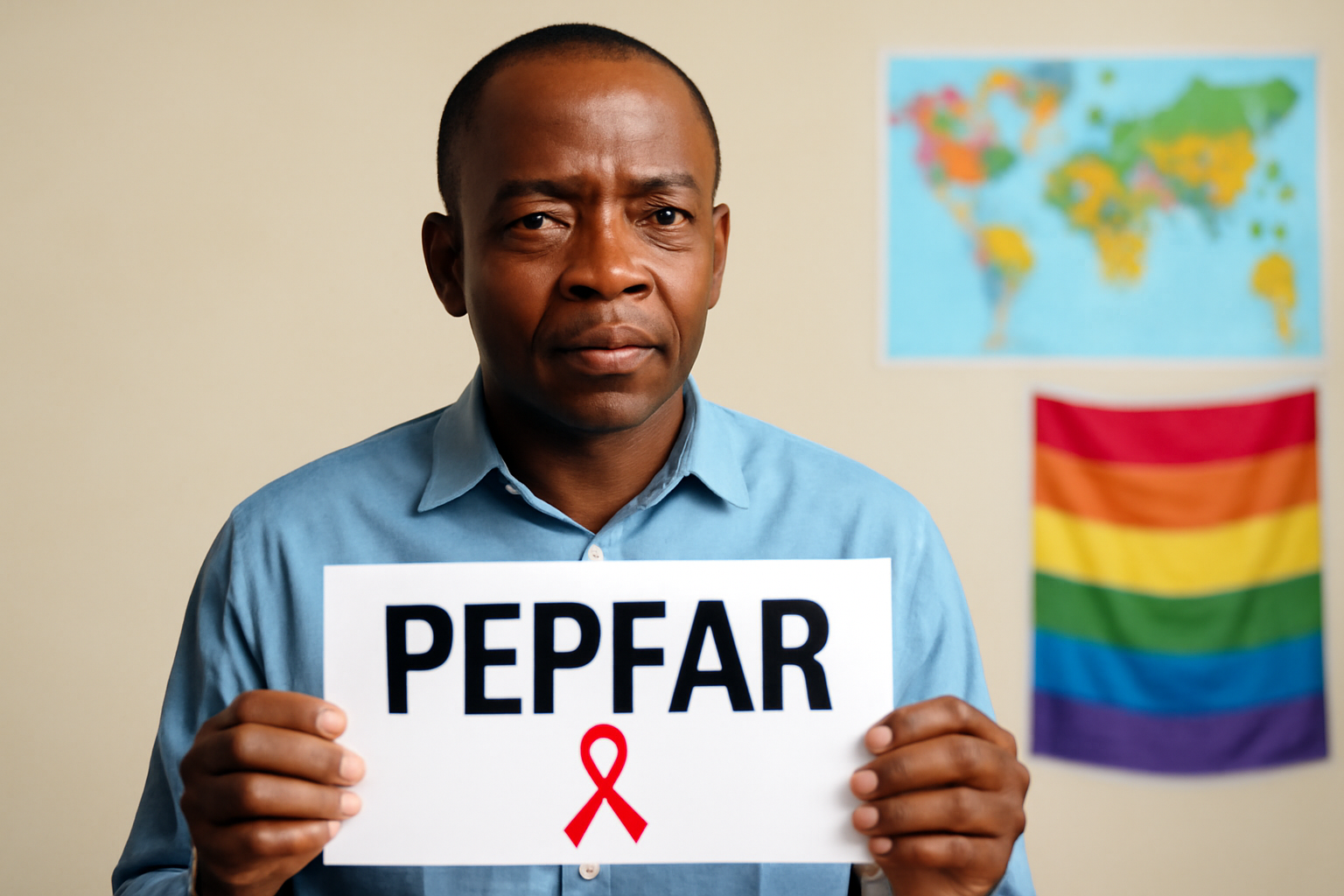
Over recent years, we've seen global health initiatives play a critical role in addressing major public health crises, particularly in areas hit hard by HIV/AIDS, tuberculosis, and malaria. Among these efforts, one program really stands out—the President's Emergency Plan For AIDS Relief, better known as PEPFAR. This initiative has been a major force in fighting against HIV/AIDS worldwide.
The uncertain future: What lies ahead?
With political dynamics shifting and funding priorities constantly changing, programs like PEPFAR face an uncertain future. This instability poses serious threats, especially in communities that rely heavily on these programs. It's critical that everyone involved in global health—from governments and NGOs, all they down down populace affected—understands what could happen if funding dries up or policies change dramatically.
The impact you can't ignore
Thanks in large part PEPFAR, millions living with HIV/AIDS, especially in sub-Saharan Africa, have access life-saving antiretroviral treatment. It's reduced mortality rates and given people a much-needed boost in quality life. This success comes from PEPFAR's holistic strategy: getting medication those who need it, supporting local healthcare systems, and running educational campaigns spread awareness and prevention tips.
But despite doing wonders, PEPFAR isn't invincible. With political climates changing and budgets getting tighter, its future hangs in balance. New health emergencies, like COVID-19, also tug at already stretched global health resources, making it an uphill battle.
The harsh reality: Consequences limited funding
When cash flow initiatives like PEPFAR slows stops, consequences quick harsh. People might suddenly can't access life-saving meds, leading more HIV transmissions and, tragically, deaths. Reduced funding could also weaken healthcare systems built thought years, derailing public health gains.
Communities have fought tirelessly against HIV/AIDS might see alarming uptick cases if preventive tactics treatments falter. Such backslides affect health outcomes and ripple through economy, taking toll societal stability. Healthy citizens are backbone any thriving economy.
How do we steer forward?
To dodge these risks, global partners, governments, and local organizations need team up brainstorm sustainable solutions. Think tapping diverse funding pools, boosting local healthcare setups, and bringing in tech streamline healthcare delivery. These are just some ways continue progress against HIV/AIDS.
On advocacy front, keeping global health high agenda stays key. By rallying communities affected, we get sharper insights their challenges, helping craft targeted interventions.
Our shared call duty
In end, sure, challenges hover over initiatives like PEPFAR, but with proactive steps unwavering drive, we can ride out these turbulent times. Keeping these lifesaving programs alive isn't just about public health—it's our collective duty toward more just, healthier global community.
Related Posts
California Governor Pressed to Enact Key Transgender Rights Legislation
California Governor Pressed to Enact Key Transgender Rights Legislation In a significant move, advocacy groups across California are urging Governor Gavin Newsom to ratify a series of bills designed to enhance and protect the rights of transgender individuals within the state.*break* In recent weeks, a coalition of transgender rights organizations has mobilized the public to contact Governor New [...]
Exploring 'Feminine': A Preview at The Pride Center of New Jersey
An Exciting Artistic Expression of Identity The Pride Center of New Jersey is thrilled to host a captivating preview of the exhibit "Feminine," a unique artistic exploration of gender and identity. This event promises to be an enriching experience for anyone interested in the vibrant tapestry of the LGBTQ+ community. The preview will take place at the Pride Center, located in the welcoming town of [...]
Controversy at the Kennedy Center: Drag Shows Thrive Despite Political Promises
In a surprising turn of events, the Kennedy Center, an iconic cultural venue, finds itself at the center of a political and cultural controversy. This comes after former President Donald Trump made headlines by dismissing the Kennedy Center's board, appointing himself as chair, and installing Ric Grenell, a devoted supporter, as the interim head. This move was part of an effort to eliminate what T [...]