
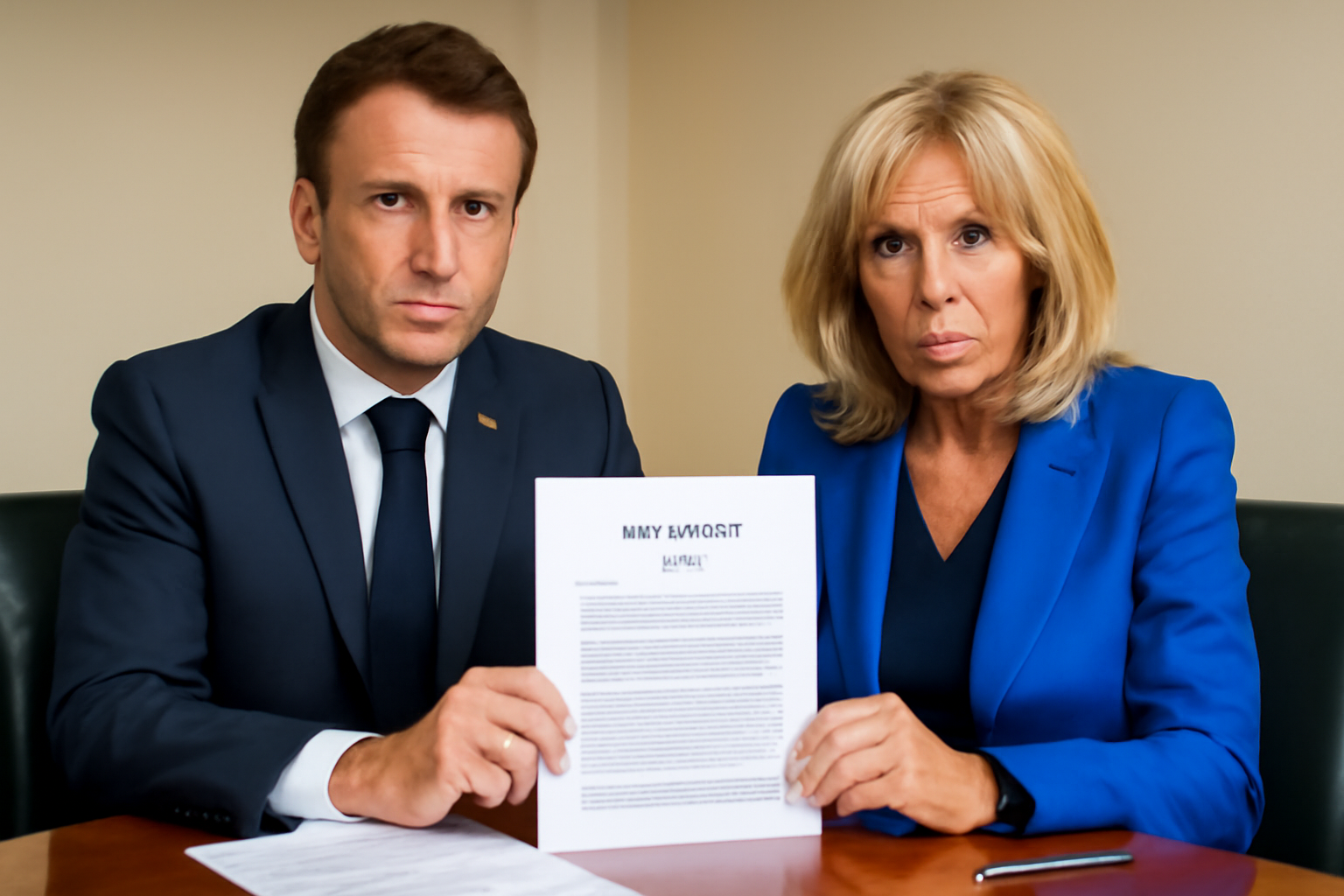
Emmanuel Macron's defamation lawsuit: balancing free speech and personal reputation
French President Emmanuel Macron and his wife, Brigitte, have decided enough's enough and are taking a stand. They've filed a defamation lawsuit in Paris against American commentator Candace Owens, claiming she made false statements that have tarnished their reputations. This legal battle brings back an age-old debate—where do we draw lines between free speech and protecting someone's name?
Getting a grip on these defamation claims
Candace Owens, known far and wide (maybe notorious?) as someone unafraid during controversial moments, has stirred up a hornet's nest this time. Allegations suggest she made derogatory comments about Emmanuel and Brigitte on her show. The Macrons argue these claims aren't just off-the-mark—they're damaging. While they haven't spilled all details yet, their legal team isn't mincing words about how serious they're taking it.
Legal nuances and free speech: a tricky dance
At its core, this case explores that murky area between speaking freely and defaming someone—especially if you're a public figure. In France, defamation can land you in criminal court, unlike in America where it usually plays out in civil court. Such differences often turn international defamation cases labyrinthine, as everyone must wade through varying legal waters.
Now, here's where things get interesting: Macron, a vocal supporter. Lost track sorry will refocus. So, here's an interesting twist: Macron's known championing free speech himself, yet here he stands leading a legal charge. His camp insists this isn't about stifling opinions—it's about drawing a line when it comes down urgently countering baseless claims. They argue that while being criticized comes with public life, accountability should follow when misinformation spreads like wildfire.
The public and media weigh in
The media spotlight's firmly fixed on this lawsuit, capturing attention from Paris streets all. Over. The. Globe. Public opinions (predictably) split: some rally behind Macron's right upholding his name, others worry actions chill speech freedoms circulation.
Those in Macron's corner believe public figures must push back against defamatory attacks; after all, these can ripple negatively through personal, professional spheres alike. Meanwhile, critics warn that such lawsuits might deter journalists from tackling big stories involving major influential players.
What this case means long-term
More than just Candace Owens remarks in question, case frames bigger picture: responsibility media holds, how public figures navigate criticisms. As discussions ignite worldwide, aim remains balancing voting individuals' rights alongside protecting essential free expression.
Depending on outcome, we could see shifts affecting future international defamation law, maybe even changing game entire. It serves clear reminder words wield power, responsibilities echoing public platform hold.
The bigger picture: what lies ahead
With everyone following closely, Emmanuel and Brigitte Macron's legal route against Candace Owens might reshape our understanding media-figure dynamics significantly. This lawsuit's ripples extend, potentially shaping vital discourse around free speech parameters.
Public life challenges often daunting, but protecting someone's reputation without silencing voices matters. Keeping dialogue open, fair, anchored respect, remains core navigating these waters.
Related Posts
Supreme Court to Address State Bans on Trans Women in Female Sports
The upcoming U.S. Supreme Court term promises to be a pivotal moment for transgender rights, as the nation's highest court has agreed to evaluate whether states have the authority to prohibit transgender women from participating in female sports competitions. This case, scheduled to be argued in the next term beginning October, is expected to have a significant impact on the future of sports inclu [...]
Megan Rapinoe and Sue Bird Announce Amicable Separation After Ten Years Together
In a heartfelt announcement that resonated deeply within the sports and LGBTQ+ communities, soccer star Megan Rapinoe and basketball legend Sue Bird have revealed their decision to part ways after nearly a decade together. The couple, who have been icons both on and off the field, shared the news with their fans through a joint statement on social media, expressing that the choice was made with mu [...]
Groundbreaking Ruling Ends Sodomy Ban for Police and Military in the Dominican Republic
The Constitutional Court of the Dominican Republic recently delivered a landmark decision on November 18th, ruling that the nation’s police and armed forces are not permitted to criminalize consensual same-sex relations among their personnel. This pivotal ruling is a significant stride towards equality and the protection of LGBTQ+ rights within these institutions. A Resounding Victory for Equal [...]