
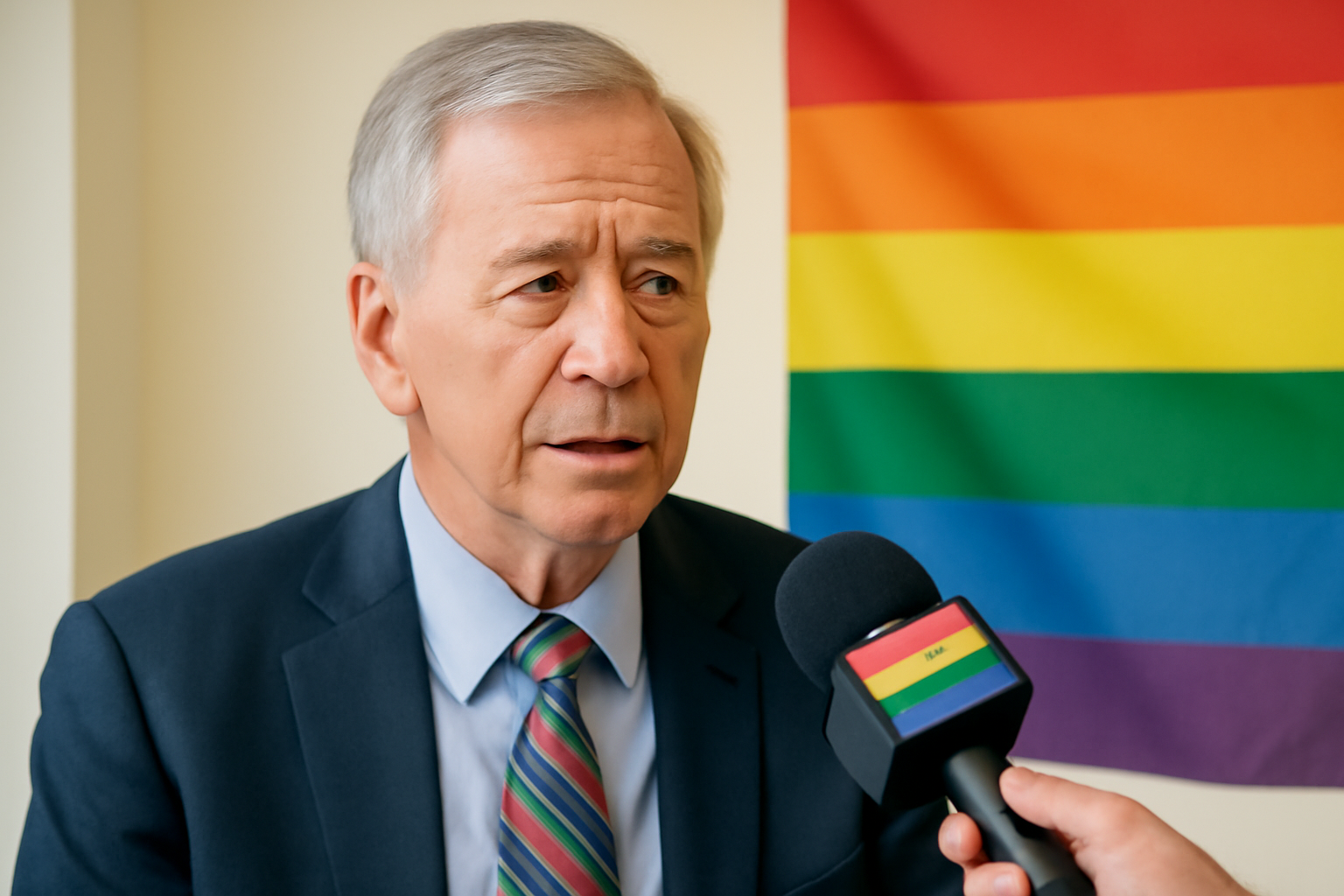
In a recent exclusive interview, a former official from the United States Agency for International Development (USAID) shed light on the far-reaching consequences of the recent decision to dissolve its LGBTQ+ programs. This decision, the official warns, could have detrimental effects not only within the United States but also across the globe, where many vulnerable communities rely on these initiatives for support and protection.
Historical Context of USAID's LGBTQ+ Programs
USAID has long been at the forefront of international development efforts, focusing on improving health, education, and economic opportunities for marginalized groups worldwide. Over the past decade, the agency had made significant strides in supporting LGBTQ+ communities through targeted programs aimed at reducing discrimination, enhancing healthcare access, and fostering inclusive economic growth.
Under the leadership of various administrations, USAID worked tirelessly to integrate LGBTQ+ rights into its broader human rights agenda. Programs were established to provide crucial funding and technical assistance to local organizations advocating for LGBTQ+ rights. These efforts were particularly impactful in regions where LGBTQ+ individuals face severe discrimination and hostility.
The Decision to End LGBTQ+ Initiatives
The recent decision to dismantle these programs has alarmed many advocates and former officials who fear the reversal will undo years of progress. The former USAID official, who played a pivotal role in designing and implementing these programs, expressed deep concern about the message this sends to the international community.
"Ending these programs not only weakens our diplomatic standing but also abandons some of the most vulnerable populations worldwide," the former official stated. "We are essentially turning our backs on those who need our support the most."
Impact on Global LGBTQ+ Communities
For many LGBTQ+ individuals and organizations worldwide, USAID's support was more than financial; it was a lifeline. The funding enabled grassroots organizations to operate in hostile environments, providing safe spaces, legal assistance, and healthcare services that are otherwise inaccessible.
In addition to financial support, USAID's involvement often lent legitimacy and protection to local activists. By partnering with a prominent U.S. agency, these organizations could operate with a degree of safety and influence otherwise unavailable to them in countries with oppressive anti-LGBTQ+ laws.
"Without USAID's backing, many of these groups will struggle to survive," the former official warned. "This decision could push countless LGBTQ+ individuals back into the shadows, at a time when they most need visibility and support."
Consequences for Global Development Goals
Moreover, the decision to end LGBTQ+ programs could undermine broader global development goals. Discrimination against LGBTQ+ individuals often exacerbates issues like poverty, health disparities, and educational inequality. By supporting LGBTQ+ rights, USAID was not only addressing discrimination but also contributing to more inclusive and sustainable development outcomes.
The former official emphasized that LGBTQ+ inclusion is critical for achieving the United Nations' Sustainable Development Goals. "Leaving LGBTQ+ communities behind in our development efforts harms everyone," they noted. "Progress cannot be truly inclusive if it overlooks such a vital part of our global society."
Moving Forward: What Can Be Done?
As the global community grapples with this shift, many advocates are calling for renewed efforts to support LGBTQ+ communities. Former USAID staff, along with activists and international partners, are exploring alternative ways to continue the mission of inclusion and equality.
"We must not lose hope," the former official urged. "While this is a setback, it is also a call to action for all of us who believe in equality and human rights. We must come together, innovate, and find new ways to support those who are most in need."
As this issue evolves, it remains crucial for both governmental and non-governmental organizations to collaborate in building a world where LGBTQ+ rights are recognized and respected. In doing so, we uphold the principle that all people, regardless of their identity, deserve dignity and equality.
The international community must remain vigilant and committed to advancing the rights of LGBTQ+ individuals everywhere, ensuring that progress made over the years is not lost, but rather built upon for a more inclusive future.
Related Posts
Supreme Court to Address State Bans on Trans Women in Female Sports
The upcoming U.S. Supreme Court term promises to be a pivotal moment for transgender rights, as the nation's highest court has agreed to evaluate whether states have the authority to prohibit transgender women from participating in female sports competitions. This case, scheduled to be argued in the next term beginning October, is expected to have a significant impact on the future of sports inclu [...]
Megan Rapinoe and Sue Bird Announce Amicable Separation After Ten Years Together
In a heartfelt announcement that resonated deeply within the sports and LGBTQ+ communities, soccer star Megan Rapinoe and basketball legend Sue Bird have revealed their decision to part ways after nearly a decade together. The couple, who have been icons both on and off the field, shared the news with their fans through a joint statement on social media, expressing that the choice was made with mu [...]
Groundbreaking Ruling Ends Sodomy Ban for Police and Military in the Dominican Republic
The Constitutional Court of the Dominican Republic recently delivered a landmark decision on November 18th, ruling that the nation’s police and armed forces are not permitted to criminalize consensual same-sex relations among their personnel. This pivotal ruling is a significant stride towards equality and the protection of LGBTQ+ rights within these institutions. A Resounding Victory for Equal [...]