
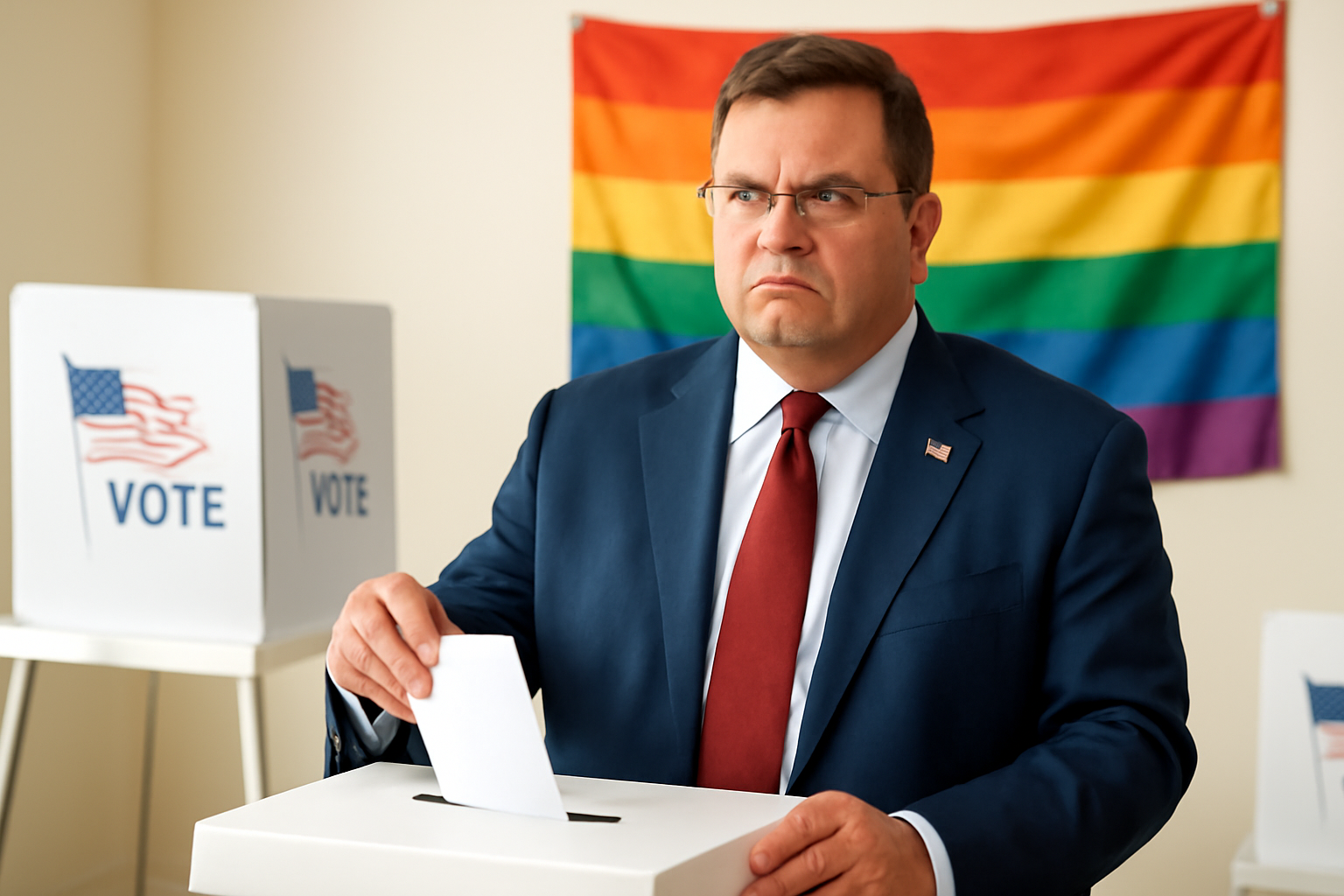
The recent special election in Florida's Sixth Congressional District has concluded with state Senator Randy Fine securing a victory, though by a much narrower margin than anticipated. Fine, a Republican known for his staunch opposition to LGBTQ+ rights, won the election under unexpected circumstances, leading to significant discussions about the current political climate.
Randy Fine, branded as a "MAGA warrior," has been a prominent figure in Florida politics, particularly noted for his controversial positions on LGBTQ+ issues. His election to the U.S. House comes at a time when the dynamics of political support are under scrutiny, especially given the reduced margin compared to previous elections. The seat became vacant following the nomination of Mike Waltz to a national security advisor position, where Waltz had previously secured a substantial 33-point victory.
Shift in Voting Patterns
Fine's lead over his opponent, public school teacher Josh Weil, is currently reported at 10 points with 73% of the votes counted. This reduced margin from the previous election could suggest a shift in public sentiment or be indicative of the typical low voter turnout associated with special elections. These factors are prompting discussions on the potential dwindling popularity of the Republican agenda, particularly among constituents affected by policies targeting the LGBTQ+ community.
In his victory speech, Fine addressed his supporters at his "2A Ranch" in Ormond Beach, flaunting a theme closely aligned with former President Donald Trump. Fine remarked on the presence of election workers from across the country, asserting Florida's identity as "Trump country." He emphasized his readiness to accept blame had he lost, attributing potential defeat to "media narratives" and suggesting that the support of Donald Trump was a pivotal factor in his success.
Implications for LGBTQ+ Rights
Fine's legislative record includes the development of a ban on gender-affirming care for transgender youth in Florida, a move that has drawn significant criticism from LGBTQ+ advocates. Additionally, he has spearheaded efforts to restrict drag performances and has been vocal in his opposition to Disney following the company's stance against Florida's "Don't Say Gay" laws. His proposal to ban Pride flags from public buildings further cements his position as a polarizing figure in the ongoing debate over LGBTQ+ rights.
Meanwhile, Florida's Chief Financial Officer, Jimmy Patronis, is expected to win another seat left vacant by Matt Gaetz's nomination as U.S. Attorney General. Patronis, similar to Fine, has a history of supporting anti-LGBTQ+ measures. His decision to appoint Russell Weigel, a known proponent of the Christian Family Coalition, to a regulatory position underscores the continuation of policies perceived as restrictive to LGBTQ+ communities.
Political Ramifications
The outcome of these elections has broader implications for Republican strategy, particularly as the party navigates its slim majority in the House. The narrow victories in Florida have cast a spotlight on the challenges facing Republican leadership, especially with figures like Rep. Elise Stefanik withdrawing from her nomination for U.S. Ambassador to the U.N. due to internal party pressures.
As the political landscape evolves, the impact of these elections on national policies, especially those affecting marginalized groups, remains a crucial area of focus. The Republican party's emphasis on maintaining its federal trifecta positions these special elections as critical battlegrounds in shaping the legislative agenda and addressing the concerns of diverse constituencies.
For those keenly observing the interplay between politics and social issues, these developments underscore the ongoing dialogue about representation, rights, and the future direction of policy-making in the United States.
Stay informed with the latest updates on how political events are influencing LGBTQ+ communities and other social movements. Consider subscribing to newsletters that provide insights into the intersection of politics and civil rights.
Related Posts
Supreme Court to Address State Bans on Trans Women in Female Sports
The upcoming U.S. Supreme Court term promises to be a pivotal moment for transgender rights, as the nation's highest court has agreed to evaluate whether states have the authority to prohibit transgender women from participating in female sports competitions. This case, scheduled to be argued in the next term beginning October, is expected to have a significant impact on the future of sports inclu [...]
Megan Rapinoe and Sue Bird Announce Amicable Separation After Ten Years Together
In a heartfelt announcement that resonated deeply within the sports and LGBTQ+ communities, soccer star Megan Rapinoe and basketball legend Sue Bird have revealed their decision to part ways after nearly a decade together. The couple, who have been icons both on and off the field, shared the news with their fans through a joint statement on social media, expressing that the choice was made with mu [...]
Groundbreaking Ruling Ends Sodomy Ban for Police and Military in the Dominican Republic
The Constitutional Court of the Dominican Republic recently delivered a landmark decision on November 18th, ruling that the nation’s police and armed forces are not permitted to criminalize consensual same-sex relations among their personnel. This pivotal ruling is a significant stride towards equality and the protection of LGBTQ+ rights within these institutions. A Resounding Victory for Equal [...]