
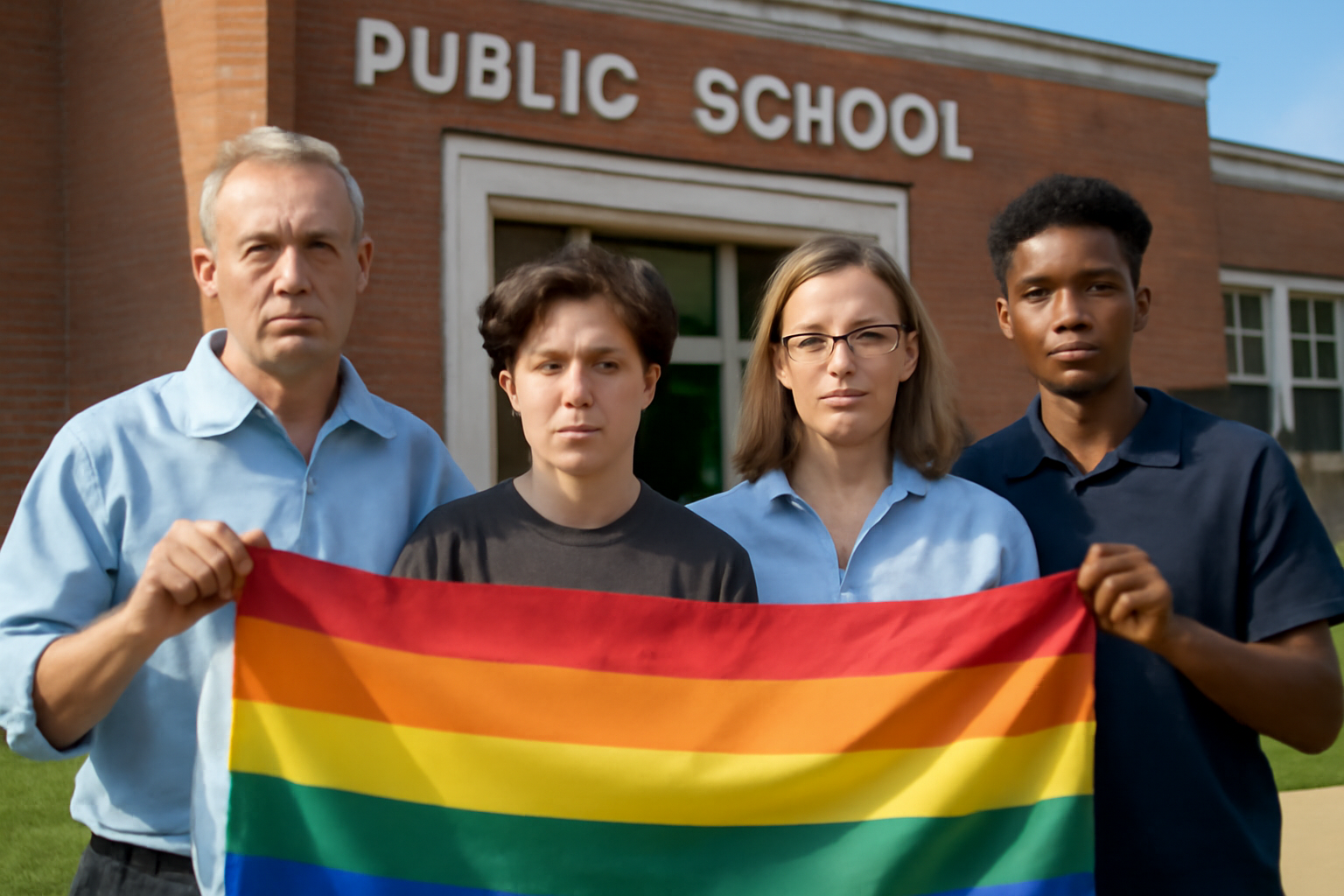
Federal decision could jeopardize funding in Virginia's inclusive schools
In a recent move, five school districts in Virginia may be at risk losing federal funding due their welcoming policies towards LGBTQ+ students and staff. These districts have been praised time and again, creating spaces where all students, no matter their sexual orientation or gender identity, can feel safe and supported.
Clash over funding and inclusion
This decision has sparked a lively debate among advocates, educators, and policymakers. Supporters highlight how these inclusive policies are critical, not just emotionally, but also academically, helping LGBTQ+ students succeed. Recognizing and embracing diversity should be a core part our schools, shouldn't it?
But not everyone feels this move oversteps. Critics argue this decision follows federal rules, suggesting that these inclusive practices clash with certain guidelines. This situation has us asking: How do we balance federal rules with local freedom in education?
Why inclusive policies matter
Inclusive school policies are more than just rules on paper; they're about making sure every student feels safe and supported in their learning environment. LGBTQ+ students, often targeted by bullying and discrimination, find these policies essential. So much so that these measures are not only beneficial but necessary!
Virginia has been leading by example, especially these five districts. From preventing discrimination and ensuring access, right down integrating LGBTQ+ topics in lessons, their efforts have earned praise across civil rights groups and educators alike.
Community stands by inclusion
These communities aren't just sitting back—they're passionately supporting inclusive measures. Parents, students, and community leaders are vocal, anxious about what losing funding might mean, particularly if it jeopardizes creating inclusive environments.
"Our schools have worked hard ensure that every child feels safe and respected," shares a parent from one affected district. "Cut funding sends wrong message about our children and their worth."
Local advocacy groups have stepped up, launching campaigns spread awareness and back these districts. They stress that fight inclusivity isn't over and community action remains essential.
Impact nationwide
What's happening in Virginia touches on a broader conversation: federal funding's role in local education. It stirs up vital questions about federal oversight's reach, especially when progressive inclusivity initiatives are involved. Could this set a precedent that affects other states?
As more places adopt these inclusive policies, experts think similar conflicts could arise, leading us reconsider how educational practices align with federal rules.
Looking ahead with determination
As these districts face possible negotiations and legal battles, advocacy groups are prepped support whatever action's needed protect LGBTQ+ students' rights and keep inclusive policies intact.
Meanwhile, these districts are unwavering in their mission: ensuring high-quality education in a setting where every student feels valued and respected. Educators and administrators are tirelessly upholding these principles, commitment unwavering.
While outcome might be uncertain, one thing's clear—the determination uphold inclusivity and strive equality shows just how dedicated these communities are. It serves as a strong reminder: there's an ongoing need support and protect LGBTQ+ rights, making sure schools remain places learning, acceptance, and safety everyone.
Related Posts
Supreme Court to Address State Bans on Trans Women in Female Sports
The upcoming U.S. Supreme Court term promises to be a pivotal moment for transgender rights, as the nation's highest court has agreed to evaluate whether states have the authority to prohibit transgender women from participating in female sports competitions. This case, scheduled to be argued in the next term beginning October, is expected to have a significant impact on the future of sports inclu [...]
Megan Rapinoe and Sue Bird Announce Amicable Separation After Ten Years Together
In a heartfelt announcement that resonated deeply within the sports and LGBTQ+ communities, soccer star Megan Rapinoe and basketball legend Sue Bird have revealed their decision to part ways after nearly a decade together. The couple, who have been icons both on and off the field, shared the news with their fans through a joint statement on social media, expressing that the choice was made with mu [...]
Groundbreaking Ruling Ends Sodomy Ban for Police and Military in the Dominican Republic
The Constitutional Court of the Dominican Republic recently delivered a landmark decision on November 18th, ruling that the nation’s police and armed forces are not permitted to criminalize consensual same-sex relations among their personnel. This pivotal ruling is a significant stride towards equality and the protection of LGBTQ+ rights within these institutions. A Resounding Victory for Equal [...]