
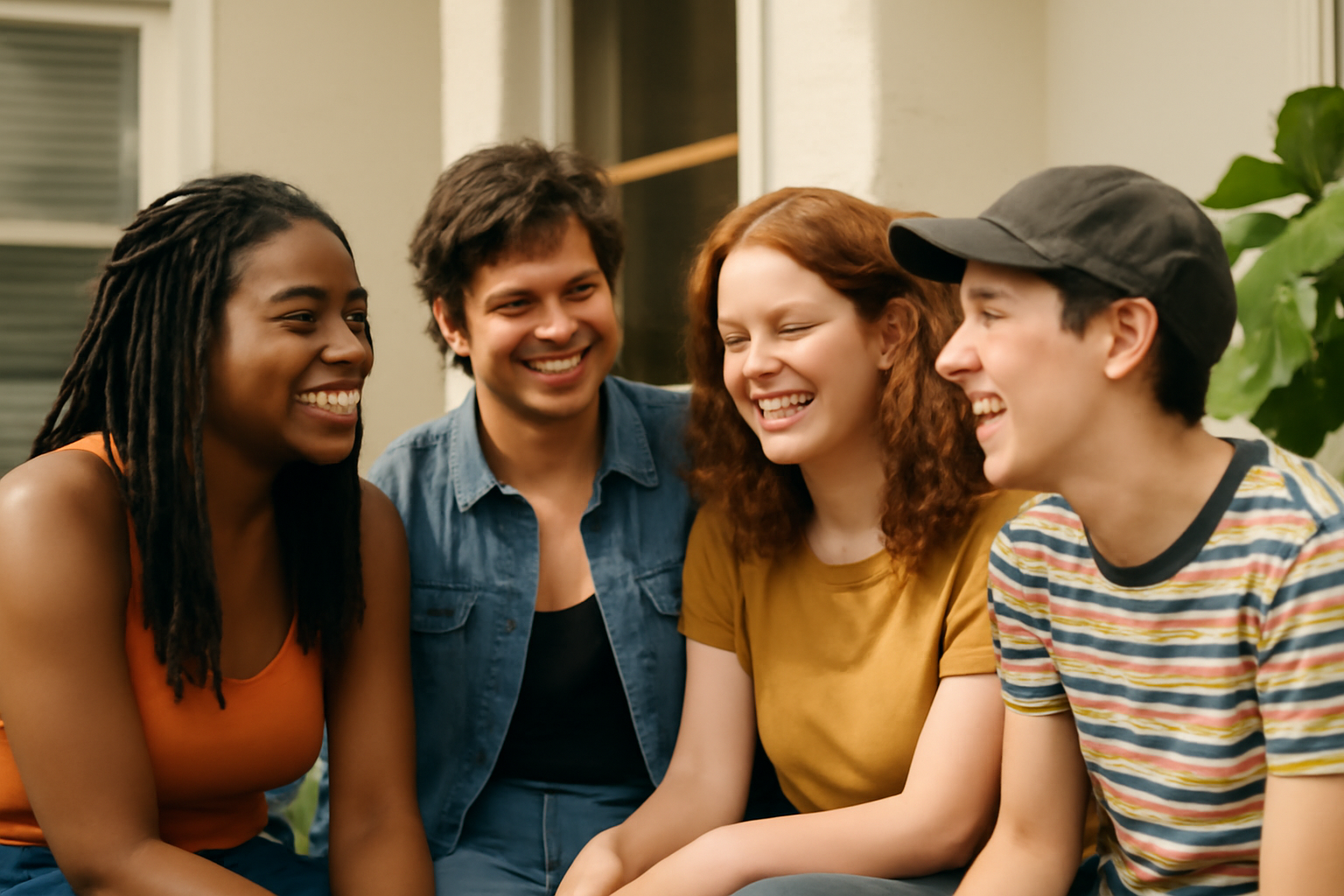
In a recent viral moment, rising queer icon Doechii sparked lively discussions by expressing her view that straight men are a “red flag.” Her statement resonated with many women across the spectrum of sexualities, highlighting a recurrent theme throughout history: the persistent impulse to create women-only spaces as havens from patriarchal society.
These enclaves and communities, while often dismissed or erased by mainstream history, have been a refuge and a place for queer love and female independence for centuries. The notion that lesbian relationships did not exist in historic groups such as West Africa’s Agojie, medieval Europe’s Beguines, or Ancient Greece’s gynaikons is implausible, given our current understanding of history and human nature.
The Barbizon: A Landmark of Female Independence
The Barbizon, often hailed as “the hotel that set women free,” stood as a beacon of female independence in New York City from the 1920s through the 1980s. Established in 1928, this women-only hotel offered a safe and vibrant space for women, away from the male gaze and societal expectations. Notable residents like Grace Kelly and Patricia Highsmith found both refuge and inspiration there, contributing to its reputation as a sanctuary for creative and independent women.
Though not without its flaws, such as enforcing restrictive dress codes and discriminating against certain women, The Barbizon played a pivotal role in encouraging female autonomy and creativity. It hosted important events like the Daughters of Bilitis conference in 1964, solidifying its place in lesbian history.
The Van Dykes: A Mobile Sisterhood
During the 1970s and 1980s, the Van Dykes emerged as a unique and mobile community within the Lesbian Separatist Movement. Eschewing mainstream society, these women traveled across the United States in vans, creating temporary communities that sought to eliminate patriarchal influence. By restricting male involvement to only essential interactions, they aimed to craft a new way of living centered around peace and autonomy.
Despite internal conflicts and the challenges of maintaining such a lifestyle, the Van Dykes and similar groups like The Furies and The Gorgons left a lasting impact on queer history. Their journey represents a bold experiment in self-sufficiency and radical feminism, challenging societal norms and carving out spaces for lesbian identity.
Umoja: A Modern-Day Sanctuary
Founded in 1991 by Rebecca Lolosoli, Umoja is a women-only village on the outskirts of Kenya’s Samburu National Reserve. This sanctuary was established as a refuge for women escaping forced marriages, genital mutilation, and domestic violence. Despite facing threats and attacks from men opposed to its existence, Umoja persists as a thriving community where women and their children can live free from male dominance.
While romantic relationships are not openly documented due to Kenya’s stringent anti-LGBTQ+ laws, visitors note strong bonds among the women, including possible lesbian partnerships. Umoja’s resilience is a testament to the strength of community and the enduring need for spaces where women can live authentically.
These women-only enclaves, whether historical or contemporary, underscore the resilience of women seeking safety, independence, and love away from patriarchal constraints. They serve as reminders of the diverse and rich tapestry of women's history and the ongoing struggle for queer visibility and rights.
Subscribe to our newsletter to stay informed about the latest news and insights shaping LGBTQ+ communities worldwide.
Related Posts
Supreme Court to Address State Bans on Trans Women in Female Sports
The upcoming U.S. Supreme Court term promises to be a pivotal moment for transgender rights, as the nation's highest court has agreed to evaluate whether states have the authority to prohibit transgender women from participating in female sports competitions. This case, scheduled to be argued in the next term beginning October, is expected to have a significant impact on the future of sports inclu [...]
Megan Rapinoe and Sue Bird Announce Amicable Separation After Ten Years Together
In a heartfelt announcement that resonated deeply within the sports and LGBTQ+ communities, soccer star Megan Rapinoe and basketball legend Sue Bird have revealed their decision to part ways after nearly a decade together. The couple, who have been icons both on and off the field, shared the news with their fans through a joint statement on social media, expressing that the choice was made with mu [...]
Groundbreaking Ruling Ends Sodomy Ban for Police and Military in the Dominican Republic
The Constitutional Court of the Dominican Republic recently delivered a landmark decision on November 18th, ruling that the nation’s police and armed forces are not permitted to criminalize consensual same-sex relations among their personnel. This pivotal ruling is a significant stride towards equality and the protection of LGBTQ+ rights within these institutions. A Resounding Victory for Equal [...]